Software Code Auditing: Why It Matters and How to Do It Right

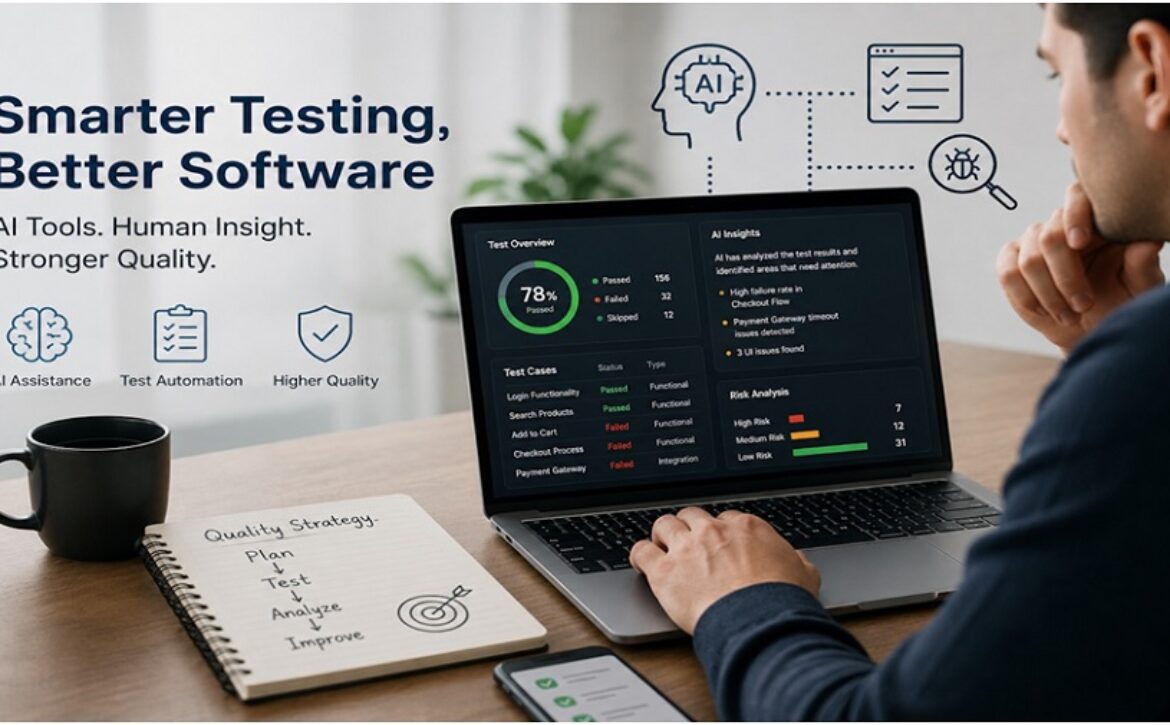
Software code auditing is a critical step for maintaining system stability, security, and long-term scalability. In 2026, applications rely on complex architectures, third-party integrations, and cloud infrastructure. Without regular audits, these systems accumulate hidden issues that affect performance and increase operational risks.

Fixing problems after release often costs significantly more than preventing them during development. A structured audit helps detect vulnerabilities early, reduce technical debt, and improve code quality before issues impact users or business operations.

If your product processes sensitive data or scales rapidly, working with providers that offer code audit services ensures your system remains secure, efficient, and maintainable.

This guide explains how code auditing works and how to implement it effectively.


What Is Software Code Auditing?

—————————-

A software code audit is a methodical evaluation of a software system including its source code, structure and dependencies.

The objective of an audit is to determine the quality of the completed solution in terms of; overall system efficiency, quality of completed solution design, and the security of the completed solution.

An audit will focus on identifying structural deficiencies, security concerns and performance concerns with the purpose of identifying long-term issues with maintainability.

Audits differ from traditional code reviews in that the analysis will take a broader look at how multiple components work together, how data is passed from one component to another and whether the overall architecture can scale without degradation of performance.


Why Code Auditing Is Essential in Modern Development

—————————-

Current-day software is highly complex due to its integration with many other systems that are continuously changing.

Software uses APIs, external libraries, and various distributed services, which means that each of these dependencies can introduce different kinds of risk. Over time, as audit processes are not able to keep up with the rapid pace of change occurring to this software, those risks get compounded and become increasingly challenging to resolve.

Security is a major concern. If vulnerabilities exist, they can leave user data at risk and can also have a negative impact on your company’s finances or put you at risk of being sued.

Performance is also a concern; poor-performing code can lead to degraded loading times and higher than anticipated costs for the supporting infrastructure.

Auditing code allows you to manage the complexity of your systems, and as the system continues to grow, to ensure that the product maintains an acceptable level of reliability.


What Issues Can a Code Audit Reveal?

—————————-

A quality audit will find issues that are often hidden during development.

Security deficiencies like weak authentication, poor data validation, and insecure API endpoints should be found early on in the process. Because they directly impact user trust and compliance, these types of deficiencies can be some of the most serious issues you find during an audit.

Poorly written code (e.g., duplicated code, disorganized code, or a lack of documentation) makes things harder to maintain and expand when systems are in place.

Application performance problems (slow applications) and application scalability limits are exposed as more users use the application.

Dependency issues stem from out-of-date libraries or unsupported frameworks. Dependency issues can give rise to vulnerabilities or compatibility problems.

Finding these issues during an audit will help eliminate the need for expensive fixes in the future.


How to Conduct a Code Audit Step by Step

—————————-

A systemized methodology provides clarity for auditors, which enables delivery of actionable audits.

Define the scope of the audit. This includes critical application modules, integration points, or any area that affects the performance or security.

Evaluate the quality of the code structure. Considerations include code readability, consistency, and whether coding standards are being met.

Perform a review of the security mechanisms in place, including authentication, authorization, and data handling.

Evaluate performance by identifying inefficient or redundant operations, heavy volume queries, or processes that require excessive resources.

Determine the status of dependencies by verifying that all libraries and packages are current and continue to be supported.

Document the results of your audit, classifying them by severity, and assign priority to resolve them and provide the resources necessary to implement the necessary solutions.


What Tools Support Code Auditing?

—————————-

Repetitive checks are made easier with tools and are carried out more accurately.

Static analysis tools can look for vulnerabilities and quality issues within a piece of code without having to run it (i.e., performing a check before running it). These tools help identify many standard software coding errors and problems.

Dynamic analysis tools execute code while checking its operation so that runtime problems and performance issues can be found.

Security scanners will identify any known vulnerabilities in any third-party libraries and dependencies you rely on.

Performance monitoring tools will help you see how your system is functioning under heavy load conditions and will show you where your system is creating performance bottlenecks.

Using several analysis, monitoring, and scanning tools gives you a better understanding of your system overall health.


Common Mistakes in Code Auditing

—————————-

Numerous businesses conduct code auditing incorrectly, diminishing the benefit of this process.

Many businesses perform audits as a single event rather than as a continuous event. Since many systems are continuously changing, a company must have ongoing auditing.

There are several additional considerations that must be considered when auditing code than security.

Either lack of clear documentation or inadequately documenting audit results makes it difficult for a business to take action and track progress of code (thus causing problems).

If audit results are ignored, they will continue to show up repeatedly, adding to the technical debt.

If a company avoids making these mistakes, regularly performing audits will positively impact the quality of its systems long-term.


How Often Should You Audit Your Code?

—————————-

The frequency of audits is based on system complexity and business requirements.

Regularly scheduled audits should be done on high-risk systems to ensure compliance, especially after major updates or integrations.

Startups typically perform an audit prior to launching their product and when scaling their business.

Continually monitoring enterprise systems, along with performing periodic in-depth audits, can help maintain stability and significantly reduce the chances of prolonged degradation.


Benefits of Professional Code Auditing

—————————-

External third party auditors lend objective insight and a structured approach.

They uncover issues that might be missed by internal teams because of their continual exposure to the codebase. Their experience enables them to identify patterns and risks more easily.

Professional audits yield concrete reports, which detail a strategy for improvement, including prioritization of improvements, so that development teams can concentrate their efforts on addressing the most important issues.

They also help establish stronger development methodologies, thus reducing risk in the future.


How to Act on Audit Results

—————————-

You should implement your audit findings as tangible improvements.

You can develop an action plan for addressing issues based on both their severity and their overall impact. You will want to immediately address the most critical vulnerabilities.

You can develop a project roadmap for resolving the identified issues, which will allow you to track your progress in a structured manner without interfering with your development process.

Next, you should integrate improvement measures into your development processes to avoid these types of issues in the future.

Make sure to track your progress toward resolution of issues, and validate each fix to ensure that all of your issues have been resolved.


Final Thoughts

Auditing software code is essential when developing consistent and expandable systems.

Auditing will assist you to identify any concealed threats; enhance your software program’s performance; and sustain a good level of quality throughout the life-cycle of your code. Businesses that commit to regularly conducting audits decrease their technical liabilities and minimize costs incurred due to failures.

A systematic audit process integrated with continual enhancement will allow you to guarantee your systems are secure, effective and positioned for future growth.

Read More
Sanju April 15, 2026 0 Comments

How Software Development Services Drive Digital Transformation

Businesses want to quickly adapt in today’s rapidly evolving digital environment to stay competitive. Custom software development solutions are essential in this example. Instead of depending on a one-size-fits-all product, they assist corporations in growing systems that precisely meet their enterprise demands.

CRM software development services permit businesses to enhance customer interactions, boost engagement, and foster long-term growth.

Digital transformation is now crucial, no longer virtually a fad. Businesses may grow purchaser loyalty, optimize techniques, and make more knowledgeable decisions based on real-time statistics by investing in the software program solutions.


Digital Transformation: What is it?

——————————

The process of using DIGITAL technology to enhance customer reports, business processes, and overall performance is called “digital transformation.” Adopting new tools and techs is the simplest component of it; another is changing how an organization’s capabilities and offers value.

Every business, from startups to large corporations, is currently focusing on turning into more consumer-centered, data-driven, and agile.


The Role of Software Development Services

——————————

The basis of digital transformation is software development services. They assist corporations in creating, growing, and placing into the market structures that deal with real problems.

Modern development services provide layout solutions that are best-suited to your workflow instead of making your business enterprise comply with modern tools. Long-term scalability and expanded efficiency result from this.

Let’s examine the real effect that these services have.


1. Customized Solutions for Unique Business Needs

Every company is specific. What is powerful for one business may not be powerful for every other. Custom software development solutions are vital because of this. They enable businesses to:

  • Create functions that precisely meet their needs.
  • Steer clear of superfluous functions.
  • Boost output with custom-designed workflows.

For example, an e-commerce business would focus on stock and customer data, whereas a logistics business might want real-time monitoring. Custom solutions assure that every need is successfully met.


2. Better Management of Customer Relations

The consumer experience is at the heart of digital transformation. Businesses that recognise their customers better are capable of providing extra value and building stronger relationships with them. CRM software development services are beneficial in this situation. A properly-designed CRM system has advantages for corporations in:

  • Monitor interactions with clients
  • Oversee income pipelines and leads.
  • Make communications specific.
  • Boost customer retention

Custom CRM solutions offer more control over consumer data and deeper insights than normal CRM platforms.


3. Increased Effectiveness of Operations

Manual techniques are costly, gradual, and prone to mistakes. Software improvement offerings help in streamlining elaborate methods and automating tedious operations. This results in:

  • Quicker operations
  • Decreased human mistakes
  • Improved management of resources

Automation in HR, finance, or supply chain, for instance, can grow universal productivity and save hours of manual work.


4. Making Decisions Based on Data

Data is one of a business’s most critical resources in the cutting-edge digital era. However, accumulating facts is insufficient; you also want the right tools to apply and examine them. Businesses benefit from custom software solutions:

  • Collect data in real time
  • Produce useful insights
  • Make smart decisions

Businesses can also better perceive traits and expand strategies with dashboards, analytics tools, and reporting systems.


5. Flexibility and Scalability

Businesses’ needs evolve as they increase. Often, an off-the-shelf software program is unable to keep up with this growth. On the other hand, custom-built systems are made with scalability in mind. You are capable of:

  • Add extra features at any time.
  • Extend the possibilities of the device.
  • Easily adapt to changes in the market.

This adaptability ensures that as your agency expands, so does your technology.


6. Improved Interaction with Current Systems

The majority of companies use a variety of platforms and technologies. Ensuring the seamless integration of numerous structures is one of the hardest duties. Services for software development aid in integrating:

  • CRM packages
  • Payment gateways
  • ERP applications
  • Third-party applications

As a result, all structures work together to form a cohesive environment that will increase productivity and decrease confusion.


7. Increased Compliance and Security

Businesses now place a high priority on security due to the rise t in cyberthreats. Compared to pre-made options, custom software offers more management over security features. Companies can:

  • Put sturdy safety features in place.
  • Safeguard private records
  • Verify adherence to industry norms.

This is specifically crucial for sectors like e-commerce, healthcare, and banking.


8. Competitive Advantage

Digital transformation is ready to stay ahead of the curve, no longer just keeping up. Companies that spend money on software development services have a huge competitive benefit because:

  • Improving user experiences
  • Faster feature launches
  • Reacting directly to market demands

Businesses may additionally innovate and stand out in crowded markets with custom solutions.


Real-World Examples Software Development Services

——————————

Consider a retail organisation that is having problems managing its stock and keeping customers. Using a stock management software and a custom-designed CRM device, the business enterprise can:

  • Track customer preferences
  • Make customized services
  • Effectively manage inventory
  • Cut down on operating costs

This raises sales similarly to enhancing customer satisfaction.


Challenges to Think About While Taking Services

——————————

Although software development services have many benefits, there are a few issues that businesses need to be privy to:

  • The initial outlay may be high.
  • Development can take a while.
  • Calls for careful practise and execution.

However, these difficulties may be effectively handled with a reliable development partner.


Selecting the Ideal Partner for Software Development

——————————

Businesses have to select a trusted and expert development partner to achieve the finest results. Search for:

  • Strong experience and portfolio
  • Effective conversation
  • Understanding of your organisation’s needs
  • Capacity to offer scalable answers

Your digital transformation journey can be successful and seamless with the right development partner.


Future of Digital Transformation

——————————

The following technologies will drive the future of digital transformation:

  • AI, or artificial intelligence
  • ML, or machine learning
  • Cloud computing
  • The Internet of Things

Software development services will grow, supporting companies in enforcing these technologies and keeping their long-term competitiveness.


Final Thoughts

For businesses to increase and survive in the modern competitive environment, digital transformation is now a necessity. Software development services are vital to this technique because they offer custom-designed, scalable, and powerful solutions that exactly suit company goals.

With the help of Custom software development solutions, agencies can move beyond the obstacles of common tools and create systems that definitely assist their operations. In addition to growing productivity, these technologies enable businesses to expand more quickly and react to adjustments in the marketplace. However, by providing individualized experience, improved communication, and smarter management, CRM software development services help companies in developing deep connections with their customers.

The long-term effects of virtual transformation are what make it so powerful. Developing a culture of creativity, adaptability, and ongoing development is more crucial than implementing new technology. Companies that make the best software program investments are now better equipped to address limitations in the future, including shifting customer needs, new technologies, or market upheavals.

Furthermore, having the ideal digital infrastructure becomes a significant advantage as businesses develop more data-driven approaches. Businesses may also make quicker choices, decrease risks, and discover previously undiscovered development potential.

Ultimately, the technique of digital transformation is still in development. Businesses may not only adapt to exchange but also pressure it with the precise technique, sources, and development companion, establishing new avenues for fulfillment, productivity, and client happiness within the digital generation.

Read More
Sanju April 9, 2026 0 Comments

Best Software Development Company for Business Success in 2026

The Best Software Development Company assists companies in developing and evolving with changing market conditions that enable them to compete in the market through the year 2026. Firms need trustworthy partners who come up with effective software development since technology is evolving. Software development has been a key to the business strategy as organizations are able to enhance their operations and customer experience.

The businesses are no longer seeking just developers. They want someone who can understand their goals and provide them with practical solutions. The selection of the Best Software Development Company results in the fact that your investment will bring you long-term growth. The solution will allow you to keep your competitive advantage in a world where the most significant factors are innovation and speed.


What a Software Development Company Does

———————————–

A software development company assists companies in building, managing, and enhancing digital solutions that support their operations in their day-to-day activities, and it helps them grow in the long run. The company creates tailor-made software that fulfills the specific needs of businesses so that an improved operational performance can be provided, as compared to the normal software products. System integration services of the company are offered by connecting multiple platforms and databases that allow the company to transmit data effectively and keep the systems running without interruptions.

An IT software development company offers continuous software maintenance and support packages, including bug fixing, adding features, and updating security features. The companies are technology partners that assist the organizations in the creation of innovative solutions and also increase their operational efficiency.


Why Choose the Best Software Development Company

———————————–

The right partner can directly influence your success and efficiency.

Faster time to market

The modern development techniques applied by the Best Software Development Company involve agile as part of the delivery of the projects, which are expected to be met within the scheduled time, without compromising their quality. This methodology allows the business to innovate its products at a faster rate, thereby being able to achieve a competitive edge.

Cost efficiency

A software development company automates to save on costs as it comes up with optimized systems. The system reduces manual work, and this increases the productivity results.

Better user experience

The improvement in the software development due to the correct design will result in increased usability and performance, and thus better customer satisfaction, customer engagement, and customer retention.

Data security

The IT software development company guarantees your business with the security that the firm offers, including the very advanced security systems that help to protect your data, and also assists in building up compliance and reducing possible risks.


How to Evaluate the Best Software Development Company

———————————–

Selecting the right company requires careful evaluation:

  • Experience: The best software development company in India is highly experienced in handling such complicated issues and provides sound solutions.
  • Technology expertise: Make sure that, with the help of the company, the modern technologies of AI, Cloud computing, and advanced frameworks are used in such a way that the company can aim at future readiness.
  • Portfolio: Previous projects they have worked on can be reviewed to know their area of competency, knowledge in the industry, and the quality of work they have done.
  • Communication: Effective communication will make sure that your employees comprehend your needs and implement the same without misunderstanding.

Best Software Development Company Providers

———————————–

Here are some of the most trusted companies known for delivering quality software solutions:

●    Abhiwan Technology

Abhiwan Technology operates as the best software development company in India, which provides advanced AI solutions, AR/VR technologies, and custom application development services to modern enterprises.

●    Appinventiv

The company received recognition for developing digital products that can handle increasing user demand while its team possesses deep knowledge of mobile and enterprise software development.

●    CHL Softech

A trusty IT software development company, offering customized solutions tailored and designed to meet business requirements across specific sectors.

●    Milleniance

Known for its innovative software solutions with a focus on performance, scalability, and user experience.

●    ScienceSoft

An established software development company that provides end-to-end services, including consulting, development, and support.

●    Duplex Technologies

The best software development company in India that offers scalable and cost-effective solutions for startups and enterprises is continually.

●    TechAhead

A renowned technology partner famous for developing high-quality mobile and web-based software solutions.

●    Chetu

Industry-specific business software, which is highly specialized herein, has been exactly that customizable per client needs.

●    Daffodil Software

The company has established itself as an expert organization that specializes in product engineering while providing cutting-edge digital services to customers worldwide.

●    TatvaSoft

A renowned IT software development company is widely known for providing reliable and scalable software services across various domains.


Best Software Development Company Trends in 2026

———————————–

Software development trends are shaping how businesses operate today:

  • AI integration: Several companies have started utilizing artificial intelligence to automate tasks and understand the insights of the large data sets.
  • Cloud-native development: Businesses prefer cloud-based applications because these systems provide them with flexible operations and expandable resources and reduced operational expenses compared to traditional systems.
  • Low-code and no-code platforms: The tools enable companies to create applications at a faster pace because they function effectively with teams that have basic technical skills and with smaller development teams.
  • Cybersecurity focus: Nowadays, every IT software development company focuses on strong data protection measures due to the increasing number of cyber threats.

Recent industry insights show that global demand for software development services is growing rapidly, especially due to AI adoption and digital transformation initiatives.


Benefits of Hiring the Best Software Development Company in India

———————————–

India is a preferred destination for software development services.

Cost-effective services

The best software development company in India offers its value to businesses of all sizes through its delivery of top-notch solutions, which it provides at affordable rates.

Skilled talent pool

India has a large number of developers who have extensive field experience across varied technologies and industries.

Faster delivery

Time zone advantages have enabled companies to have quicker turnaround time and continuous development cycles.

Innovation and adaptability

Indian companies offer fast adoption of new technologies. This practice enables businesses to maintain their competitive edge in a market that continuously evolves.


Challenges Faced Even with the Best Software Development Company

———————————–

Businesses may face certain challenges during software development.

  • Changing requirements: Frequent changes in project requirements would affect the timeline and increase the development complexity.
  • Integration issue: Combinig existing software with new systems might lead to technical hurdles, and so careful analysis and preparation need to occur.
  • Budget management: Bad planning or a change of scope may lead to additional costs and delays in the execution of the project.
  • Communication gaps: Communication that lacks clarity can usually end up causing misunderstandings and hence affect the outcome of the project as a whole.

A professional IT software development company helps overcome these challenges through structured processes and effective communication.


Which Tools Are Commonly Used for Software Development Today?

———————————–

The choice of the right development tools requires evaluation of both project requirements and team skill levels. Developers choose Visual Studio Code, GitHub, and Docker because these tools help them write code, work together, and deliver software more effectively. The tools provide complete development support, which starts from code creation and ends with application testing and deployment. The project requirements for web development, mobile development, and enterprise software development determine which technologies and frameworks should be used.


What Are the Different Categories of Software?

———————————–

Software is generally divided into three main categories based on its purpose and functionality. System software manages hardware and ensures that devices operate smoothly. Application software helps users perform specific tasks such as managing data or communication. Custom software is developed by a software development company to meet unique business requirements, offering more flexibility and better alignment with specific operational needs.


Conclusion

The selection of the best software development company holds importance for business success in 2026. The company provides more than software development because its solutions enable customers to achieve sustainable business growth and ongoing product innovation. The right partner enables organizations to achieve better operational results while decreasing their expenses and meeting the needs of evolving market conditions.

A reliable IT software development partner assists you from the project inception through to implementation and continuous maintenance support.

Technology serves as the driving force behind success in today’s digital environment. The business growth and future performance of your company depend on selecting the appropriate partner for your organization.

Read More
Sanju March 30, 2026 0 Comments

Top 8 Custom FinTech Software Development Companies

The fintech market maintains its growth because digital banking and embedded finance and open banking APIs and AI-powered underwriting and blockchain technology create new financial service delivery systems. Financial institutions need to update their existing systems which use outdated technology. Mobile-first payment systems serve as the foundation for startup companies to create their payment platforms. Investment platforms depend on immediate data processing capabilities together with protected cloud computing systems.

Fintech software development needs more than technical engineering expertise. Financial products need to follow strict rules because they deal with private customer information while processing high-number transactions. Building security features together with compliance requirements and scalability capabilities needs to start at the system design stage.

The following section presents eight reliable custom fintech software development companies which possess strong technical skills and regulatory knowledge and ability to create systems that can grow.


What Makes a Strong FinTech Development Company

———————————

The process of selecting a fintech vendor needs an organized evaluation procedure. Financial software becomes part of long-term business infrastructure. The design flaws that occur during architectural and compliance development lead to three types of consequences which include regulatory penalties and operational interruptions and damage to the organization’s reputation.

A reliable fintech development company must demonstrate:

  • Proven experience with PCI DSS, PSD2, GDPR, AML, and KYC compliance
  • The secure architecture system requires both data encryption methods and identity access management solutions.
  • The system uses either cloud-native technology or microservices-based architecture.
  • The company has worked with both banking application programming interfaces and payment processing systems.
  • The system uses automated DevOps pipelines together with immediate system performance tracking.
  • The organization built an infrastructure system which can manage high volumes of transactions.
  • The company has established methods for handling emergencies and restoring operations after disasters.

Financial software functions as permanent infrastructure rather than short-term products. The process of selecting a vendor affects both the organization risk exposure and the ability to scale operations and the stability of ongoing business activities.


Top 8 Custom FinTech Software Development Companies

———————————

1. Cleveroad

Founded in: 2011
Headquarters: Claymont, Delaware, USA
Hourly Rate: $50–$80
Industry Expertise: Fintech, Healthcare, Logistics, Retail, Media, eCommerce
Reviews: 70+ reviews on Clutch, average rating 4.9/5
Website: cleveroad.com

Cleveroad serves as a complete product development business that creates customized financial technology solutions for both new businesses and established companies throughout North America and European markets. The company creates digital banking systems and lending platforms and payment gateways and investment dashboards and blockchain solutions.

Cleveroad operates as a top fintech software development companies which demonstrates its expertise through ISO 27001 and ISO 9001 certifications. These standards provide organizations with safe data management procedures and effective methods for maintaining quality standards.

Cleveroad functions as an AWS Select Tier Partner which develops cloud-native fintech systems that can handle heavy usage patterns. Their services includeing AML/KYC system integration and fraud detection tools and secure API ecosystems and AI-driven credit scoring engines and payment infrastructure development.

The company establishes transparent delivery processes through its structured onboarding system and sprint-aligned reporting system and dedicated account management system.


2. Intellectsoft

Founded in: 2007
Headquarters: New York, USA
Hourly Rate: $50–$100
Industry Expertise: Fintech, Healthcare, Construction, Automotive
Reviews: 100+ reviews on Clutch
Website: intellectsoft.net

Intellectsoft provides enterprise fintech solutions which enable digital banking transformation. The company offers support for planning architectural designs and implementing compliance requirements through DevOps automation and built system modernization.

The company’s teams develop banking systems which use application programming interfaces together with cloud-based financial software-as-a-service platforms and secure transaction processing systems.


3. ScienceSoft

Founded in: 1989
Headquarters: McKinney, Texas, USA
Hourly Rate: $50–$100
Industry Expertise: Banking, Healthcare, Manufacturing, Retail
Reviews: 70+ reviews on Clutch
Website: scnsoft.com

ScienceSoft creates secure financial systems which incorporate advanced security measures. The company builds payment systems, fraud prevention tools, digital lending platforms, and financial analytics dashboards.

ScienceSoft implements encrypted data storage together with regulatory compliance requirements and risk management systems to secure financial institutions.


4. BairesDev

Founded in: 2009
Headquarters: San Francisco, California, USA
Hourly Rate: $50–$100
Industry Expertise: Fintech, SaaS, Healthcare, Media
Reviews: 100+ reviews on Clutch
Website: bairesdev.com

BairesDev delivers specialized financial technology development services through its distributed engineering teams. The company develops advanced lending platforms which include investment management systems and financial analytics solutions that use artificial intelligence.

BairesDev develops transaction-heavy systems through its expertise in microservices architecture and CI/CD automation and performance enhancement


5. Netguru

Founded in: 2008
Headquarters: Poznań, Poland
Hourly Rate: $50–$100
Industry Expertise: Fintech, SaaS, Retail, EdTech
Reviews: 120+ reviews on Clutch
Website: netguru.com

Netguru combines its expertise in product design with its fintech engineering abilities. The company creates digital banking applications together with payment processing systems and cryptocurrency platforms.

Netguru provides backend infrastructure support which enables startup MVPs and enterprise financial systems to scale their operations.


6. Andersen

Founded in: 2007
Headquarters: Warsaw, Poland
Hourly Rate: $30–$70
Industry Expertise: Fintech, Telecom, Logistics, Healthcare
Reviews: 90+ reviews on Clutch
Website: andersenlab.com

Andersen provides complete fintech development services which include product discovery and development of secure backend systems and establishment of QA automation and DevOps system implementation.

The company helps financial institutions and fintech startups to achieve their digital transformation goals through its long-term support services.


7. Chetu

Founded in: 2000
Headquarters: Sunrise, Florida, USA
Hourly Rate: $50–$100
Industry Expertise: Fintech, Retail, Manufacturing, Healthcare
Reviews: 40+ reviews on Clutch
Website: chetu.com

Chetu develops financial technology solutions through its custom software development services which create payment processing systems and accounting software and digital banking platforms.

The company focuses on secure data management combined with financial compliance standards and flexible cloud deployment solutions.


8. Simform

Founded in: 2010
Headquarters: Orlando, USA
Hourly Rate: $25–$50
Industry Expertise: Fintech, Healthcare, SaaS
Reviews: 100+ reviews on Clutch
Website: simform.com

Simform builds cloud-based financial technology software which includes advanced development operations systems and microservices design.

The company develops secure financial software as a service applications which its customers will continue to enhance after the products launch.


Cost of Custom FinTech Software Development

———————————

Fintech development costs depend on three factors which are project complexity, required compliance measures, and software system connections.Typical budget ranges include:

  • FinTech MVP: $50,000–$100,000 with a 4–6 month timeline
  • Mid-level financial platform: $100,000–$250,000 with a 6–9 month timeline
  • Enterprise-grade fintech ecosystem: $250,000–$500,000+ with a 9–15 month timeline

Key cost drivers:

  • Regulatory compliance implementation
  • Secure authentication and encryption layers
  • Banking API integrations
  • AI-based fraud detection systems
  • Blockchain integration
  • High-availability cloud infrastructure

Fintech software needs continuous monitoring together with security assessments and system capacity expansion.


Emerging Trends in FinTech Software Development

———————————

Several trends shape fintech development strategy in 2026:

  • Embedded finance integration into non-financial platforms
  • AI-powered credit scoring and behavioral analytics
  • Real-time payment systems and open banking ecosystems
  • Decentralized finance infrastructure
  • Biometric identity verification and passwordless authentication

Organizations need to adopt cloud-native multi-region deployment systems which will build their operational capacity for business continuity during financial disturbances.

Fintech companies need to develop system architectures which enable them to enter new markets while following industry trends without needing to overhaul their complete systems.


Final Thoughts

Custom fintech development needs secure system design together with knowledge of regulations and ability to scale through cloud technology and dedicated engineering teams. Financial software development requires complete solutions because it cannot use generic templates or partial development models.

The companies listed above show that they can develop financial systems that not only meet compliance needs but can also deliver exceptional results. When selecting a development partner who has established experience in the fintech industry, the development risks are reduced, and the products can continue to evolve in competitive market conditions. When selecting a development partner who has established experience in the fintech industry, the development risks are reduced, and the products can continue to evolve.

Read More
Sanju March 12, 2026 0 Comments

15 Education Software Development Companies Worth Working With in 2026

The educational software development market will already have immense implications for how educational institutions will be able to grow, compete, and maintain a student base. The planning, organizing, delivering, measuring, and reporting of education will be managed on digital platforms that control/enforce aspects of enrollment, curriculum delivery, grading, certification, reporting, measuring analytics, payment and compliance. Schools, universities, and corporate academies will be expecting, among several things, adaptive learning pathways, automated administrative workflow, secure cloud infrastructure, as well as integration with talent management, customer relationship management, enterprise resource planning and identity management systems.

The following represents an expanded overview of 15 education software development companies providing EdTech solutions in 2026 with key company information included for comparison purposes.


1. Cleveroad

—————-

Founded: 2011
Headquarters: Estonia
Offices: USA, Estonia
Team size: 250–999
Engagement model: Dedicated teams, full-cycle development
Core focus: Custom LMS, AI-powered learning platforms, mobile education apps
Best for: Institutions building scalable digital learning ecosystems

Cleveroad is a full-cycle educational app development company delivering tailored solutions for education startups, universities, and corporate academies. The company focuses on custom-built platforms instead of adapting rigid LMS templates.

The included Learning Management Systems, Adaptive Learning Engines, Student Analytics Dashboards, Online Assessment Tools, Administrative Automation Modules, and Mobile Learning Applications represent Cleveroad’s portfolio. Numerous institutions leverage Cleveroad solutions to replace outdated and disparate tools by creating a unified digital campus that provides centralized reporting, automated workflows, and enhanced visibility into data.

Through initial discovery workshops and technical audits, Cleveroad creates architecture decisions with its clients early on in the development process. They utilize an Agile iterative model with UX research, QA testing, DevOps, and ongoing improvements post-launch. This structured approach mitigates risks and supports long-term scalability.


2. InVeritaSoft

—————-

Founded: 2010
Headquarters: USA
Delivery locations: USA, Argentina
Team size: 50–249
Engagement model: Dedicated teams, project-based
Core focus: Custom LMS, education portals, system modernization
Best for: Institutions prioritizing stability and long-term maintenance

InVeritaSoft offers structured Learning Management Systems (LMS) that are designed for maintainability and predictability of release cycles. The system typically has role-based access, dashboards for reporting, and third-party integration options.

They have also built long-term relationships with universities and private educational providers who want the ability to limit the scope of their services and receive incremental upgrades over time.


3. Oxagile

—————-

Founded: 2005
Headquarters: USA
Offices: USA, Europe
Team size: 250–999
Engagement model: Full-cycle development
Core focus: Video streaming platforms, OTT learning systems
Best for: Video-first and hybrid learning environments

Oxagile focuses on multimedia and real-time streaming infrastructure.The company has developed education platforms, including streaming live classes, offering access to prerecorded instruction, offering tools for hosting webinars, etc.

They are a partner to many institutions that require high-quality lectures by live streaming and streaming infrastructure that can scale.


4. Inoxoft

—————-

Founded: 2014
Headquarters: Ukraine
Team size: 50–249
Engagement model: Agile project delivery
Core focus: LMS development, analytics systems, education portals
Best for: Startups digitizing academic workflows

Inoxoft creates LMS (Learning Management Systems) which feature course management, reporting, and integration capabilities into other systems. The company also assists educational institutions in moving from paper-based to online learning environments.


5. Selleo

—————-

Founded: 2005
Headquarters: Poland
Team size: 50–249
Engagement model: SaaS product development
Core focus: Multi-tenant SaaS learning platforms
Best for: Subscription-based EdTech businesses

Selleo builds scalable SaaS education solutions that can be expanded with new features over time. They use a modular approach to structure products, which allows products to evolve over time and be deployed on multiple server locations.


6. Rootstrap

—————-

Founded: 2011
Headquarters: USA, Uruguay
Team size: 50–249
Engagement model: Product discovery and engineering
Core focus: UX-driven education platforms, MVP validation
Best for: Early-stage and growth-phase EdTech startups

The design and engineering team at Rootstrap is responsible for developing product strategy and executing product engineering efficiently. They support customers through feature validation, UX design, and market validation before they build scalable solutions on top of their platforms.


7. Nomtek

—————-

Founded: 2009
Headquarters: Poland
Team size: 50–249
Engagement model: Mobile and immersive development
Core focus: AR/VR learning tools, mobile education apps
Best for: Simulation-based and experiential training

The team at Nomtek specializes in creating immersive learning experiences through mobile apps and augmented/virtual reality solutions for skill-building environments.


8. Sidebench

—————-

Founded: 2010
Headquarters: USA
Team size: 50–249
Engagement model: Design-led development
Core focus: UX-centered learning systems
Best for: Institutions improving learner engagement

Sidebench designs their user interfaces and onboarding processes to be easy to use and intuitive. Their design-first approach results in improved user adoption and retention rates.


9. Kellton

—————-

Founded: 2009
Headquarters: USA, India
Team size: 1,000+
Engagement model: Enterprise delivery
Core focus: Large-scale education platforms, ERP integration
Best for: Institutions modernizing complex IT environments

Kellton specializes in integration based services that include LMS, ERP, HR and Identity Management systems.


10. 10Pearls

—————-

Founded: 2004
Headquarters: USA
Team size: 1,000+
Engagement model: Secure enterprise development
Core focus: Analytics-driven and compliance-ready platforms
Best for: Regulated education environments

10 Pearls provides scalable learning platforms with secure systems and quality assurance.


11. TatvaSoft

—————-

Founded: 1997
Headquarters: USA, India
Team size: 1,000+
Engagement model: Structured project delivery
Core focus: LMS implementation and portal development
Best for: Budget-conscious institutions

Tatvasoft provides predictable development cycles and long-term support for LMS systems.


12. TXI (Table XI)

—————-

Founded: 1999
Headquarters: USA
Team size: 50–249
Engagement model: Consulting + development
Core focus: Strategy-driven digital education initiatives
Best for: Multi-stakeholder digital transformation

TXI integrates technical implementations with institutional strategies and roadmaps.


13. AllenComm

—————-

Founded: 1981
Headquarters: USA
Team size: 250–999
Engagement model: Instructional design + development
Core focus: Corporate training systems
Best for: Workforce education and compliance training

AllenComm integrates instructional design expertise with platform engineering for enterprise learning programs.


14. BrainPOP

—————-

Founded: 1999
Headquarters: USA
Team size: 250–999
Engagement model: Digital curriculum platforms
Core focus: K–12 interactive education tools
Best for: Curriculum-aligned primary and secondary education

BrainPOP delivers multimedia learning resources aligned with standardized curricula.


15. ScienceSoft

—————-

Founded: 1989
Headquarters: USA
Team size: 500–999
Engagement model: IT consulting and custom development
Core focus: LMS platforms, virtual classrooms, modernization
Best for: Institutions planning digital transformation

ScienceSoft supports academic organizations with consulting-led LMS modernization and enterprise system upgrades.


Final Perspective

The growth of education software development in 2026 will result in a major shift toward the need for a scalable architecture, integration of analytics, awareness of compliance, and long-term ownership of the platform. Institutions require technology partners who can operate at an understanding of academic workflows along with the complexities at an enterprise level.

The above-referenced companies have expertise in the development of custom LMSs, SaaS-based education platforms, immersive training tools, enterprise modernization, and AI-enhanced ecosystems. Partner selection that aligns with your roadmap will directly affect adoption, scalability and institutional growth.

Read More
Sanju February 27, 2026 0 Comments

Best 10 AI-Driven Healthcare Software Development Companies

Artificial intelligence now serves as a functional component of healthcare software. Hospitals use AI to reduce diagnostic time, digital health startups rely on machine learning to personalize care, and medical platforms apply predictive analytics to optimize clinical workflows. The increasing need for compliant production-ready solutions drives organizations to seek assistance from experienced custom healthcare software development company which create AI-driven systems for use in genuine clinical environments.

The artificial intelligence systems used in healthcare applications have evolved from their initial testing phase into complete operational systems. The solutions need to handle delicate patient information while working with current medical systems and complying with complete regulatory requirements. The selection process for a development partner needs to gain extra weight because of this requirement. The teams need to link their artificial intelligence capabilities with their understanding of healthcare and their security measures and their design approach which focuses on user experience.

The article presents ten healthcare software development companies which achieved exceptional status in 2026 through their ability to deliver reliable AI healthcare solutions which combine innovative elements with dependable performance.


Why AI-Driven Healthcare Software Requires Specialized Expertise

———————————

A software for health care works based on rules to operate. When building the AI system, there are rules that need to be followed for the system to be successful, including data privacy regulations and safety/interoperability standards. A model of high technical potential will not be effective if it makes unnecessary disruption in clinical processes and does not produce outcomes trusted by health care professionals.

Healthcare solutions implemented with the help of artificial intelligence attain the successful status when the technological tools help the healthcare procedures that healthcare professionals use. The system allows users to make decisions with the help of the system while at the same time safeguarding the user data as the system is designed in line with transparency principles. The companies included in the list below have the necessary expertise.


1. Cleveroad

Founded in: 2011
Headquarters: Claymont, Delaware, USA
Hourly Rate: $50–$80
Industry Expertise: Healthcare, Fintech, Logistics, Retail, Media, eCommerce
Reviews: 70+ reviews on Clutch, average rating 4.9/5
Website: cleveroad.com

Cleveroad has established itself as a skilled developer of healthcare software solutions which utilize artificial intelligence to serve medical facilities and new businesses and digital health platforms. The company develops actual operational systems which medical professionals use in their daily work instead of creating test systems which remain untested.

The organization develops healthcare products which include artificial intelligence clinical decision support systems and patient tracking systems and telemedicine platforms and operational analytics dashboard systems. The teams develop solutions which use actual medical information to work within current healthcare systems without creating extra challenges for medical professionals.

The company complies with both HIPAA and GDPR regulations while it maintains ISO 9001 and ISO 27001 certified standards for its quality and security management systems. The company provides support for scalable healthcare systems through its research and development centers located in both the United States and Europe while it maintains its status as an AWS Select Tier Partner.


2. ScienceSoft

Founded in: 1989
Headquarters: McKinney, Texas, USA
Hourly Rate: $50–$90
Industry Expertise: Healthcare, Data Analytics, AI, Enterprise Software
Reviews: 80+ reviews on Clutch, average rating 4.9/5
Website: scnsoft.com

ScienceSoft possesses more than 20 years of expertise in developing AI-based healthcare solutions. The company develops medical analytics platforms and clinical data processing systems and AI-based decision support tools which hospitals and healthcare organizations use.

The company specializes in managing complicated data systems while matching AI results to both regulatory standards and operational needs.


3. Altoros

Founded in: 2001
Headquarters: Pleasanton, California, USA
Hourly Rate: $50–$100
Industry Expertise: Healthcare, Cloud, AI, Big Data
Reviews: 60+ reviews on Clutch, average rating 4.8/5
Website: altoros.com

Altoros specializes in developing cloud-native healthcare platforms which they enhance through machine learning technology. Their healthcare projects include predictive analytics for patient outcomes AI-driven workflow optimization and scalable medical data pipelines.

The company provides assistance to healthcare systems that need to handle extensive amounts of both structured and unstructured data.


4. ELEKS

Founded in: 1991
Headquarters: Tallinn, Estonia
Hourly Rate: $50–$100
Industry Expertise: Healthcare, AI, Data Science, Cybersecurity
Reviews: 60+ reviews on Clutch, average rating 4.8/5
Website: eleks.com

ELEKS creates healthcare platforms which use artificial intelligence technology while prioritizing data protection and analytical capabilities. The teams develop systems which handle clinical intelligence and population health management and AI diagnostic support.

ELEKS frequently partners with multinational healthcare enterprises which operate in several countries.


5. Intellectsoft

Founded in: 2007
Headquarters: Palo Alto, California, USA
Hourly Rate: $70–$150
Industry Expertise: Healthcare, AI, Blockchain, Enterprise Software
Reviews: 50+ reviews on Clutch, average rating 4.7/5
Website: intellectsoft.net

Intellectsoft delivers artificial intelligence healthcare solutions through their predictive analytics tools and digital health platforms and their secure medical data systems to their enterprise clients. Their work often focuses on integrating AI into existing healthcare infrastructure.


6. Netguru

Founded in: 2008
Headquarters: Poznań, Poland
Hourly Rate: $60–$120
Industry Expertise: Healthcare, AI, SaaS, Product Design
Reviews: 70+ reviews on Clutch, average rating 4.8/5
Website: netguru.com

Netguru creates healthcare software by applying user-centered design which uses artificial intelligence technology. The company helps digital health startups who develop patient-facing applications and wellness platforms and tools that use artificial intelligence for user engagement.

Their approach combines machine learning with strong UX and product strategy.


7. Andersen

Founded in: 2007
Headquarters: Warsaw, Poland
Hourly Rate: $40–$70
Industry Expertise: Healthcare, AI, Enterprise Systems
Reviews: 90+ reviews on Clutch, average rating 4.9/5
Website: andersenlab.com

Andersen delivers extensive healthcare development solutions through its remote team structure. The company develops AI-based solutions which include clinical automation systems and healthcare customer relationship management software and medical operational analytics platforms.


8. Iflexion

Founded in: 1999
Headquarters: Denver, Colorado, USA
Hourly Rate: $40–$80
Industry Expertise: Healthcare, AI, ERP, Custom Software
Reviews: 50+ reviews on Clutch, average rating 4.9/5
Website: iflexion.com

Iflexion develops healthcare software with artificial intelligence capabilities to improve operational processes and enable organizations to make decisions based on data analysis. The company has developed hospital management systems together with analytics solutions and patient engagement systems.


9. Fingent

Founded in: 2003
Headquarters: White Plains, New York, USA
Hourly Rate: $50–$100
Industry Expertise: Healthcare, Analytics, Enterprise Software
Reviews: 40+ reviews on Clutch, average rating 4.8/5
Website: fingent.com

Fingent builds personalized healthcare software solutions which use artificial intelligence to create reports and automated processes and deliver clinical knowledge. Their projects help healthcare facilities to handle their internal operations while creating visual data displays.


10. Merixstudio

Founded in: 1999
Headquarters: Poznań, Poland
Hourly Rate: $60–$110
Industry Expertise: Healthcare, AI, Web Platforms
Reviews: 40+ reviews on Clutch, average rating 4.8/5
Website: merixstudio.com

Merixstudio develops healthcare platforms which use artificial intelligence while delivering exceptional frontend development and user experience design. The teams at this organization develop patient portals and dashboard systems and they create healthcare applications which require extensive data processing.


Final Thoughts

The success of AI-based software used in the health sector will depend on the ability of the software to align itself with the actual operations of the health sector. The above-listed companies have the experience necessary to design a system that can be trusted by the clinical sector.

The degree of success in the implementation of AI in the diagnosis, monitoring, and operational activities will be better achieved through partnerships with experienced development teams.

Read More
Sanju February 11, 2026 0 Comments

How AI will Change Software Development in 2026

Generative AI is poised to add value somewhere between $2.6 trillion to $4.4 trillion annually and about 75 percent of this value will come from four core areas: Customer operations, marketing and sales, software engineering, and R&D.  (McKinsey)

Hence, there is no denying software is at the core of this AI wave. More importantly, with the significant development made recently in the form of AI agents, 2026 is going to pivotal year for software development professional from developer to decision makers.

It is going to be the year when AI will start to show real results affecting business KPIs like EBIT, ROI, productivity, and time-to-market, leading to complete transformation of software engineering as we know it. So much so that we will entering the era of software engineering 3.0 or SE 3.0 in 2026 from SE 1.0, rushing right pass-through SE 2.0.

In this blog, we will cover how AI will change software development. We will cover the topic of SE 2.0 and SE3.0 and how the domain will transition from former to latter. Then we will other impact this transition will have on software development.


From “AI as assistant” in SE2.0 to “AI as co-engineer” of SE3.0

———————————

The year of 2025 witnessed a paradigm shift with AI in software development. We saw software engineering go up a notch from traditional software development i.e. software engineering 1.0, where human engineers explicitly write code and define strict rules.

Driven by artificial intelligence (AI) and machine learning (ML), SE 2.0 arrived and powered software development like nothing before.

AI assisted the coder in driver’s seat by autocompleting code, throwing code suggestions, generative AI software development for small-scale codes. But this is going to change altogether in 2026.

Following closely SE 2.0 on heels in 2026 is the phase of AI Software Engineering 3.0 (SE 3.0), both the terms were popularized by Andrej Karpathy, Ex-Director of AI at Tesla.

This is a phase where AI agent takes the driver’s seat and developers become a “conductor” or “supervisors”. A human software developer describes what they want, and AI understand the context and codebase, breaks the task down, writes code, runs tests, produces deliverables. It even goes on to create documentation as technical writer.  

In 2026, this is the most transformative force changing software development itself and across its fronts.


Increased Sophistication in Products and Change in Required Developers Skills

As AI manages much of the clerical work, developers and teams will get sufficient room to attempt more complex projects. This means they can aim for richer features, more and deeper integrations, faster iterations.

Even for large codebases, AI-driven “context-aware” agents will make it feasible to automate tasks considered too risky previously. The AI agent will have the capability to refactor and re-architecting at large scale and to carry out cross-module changes.

At the same time, this will also mean developers will need stronger skills such as

  1. Designing system architecture,
  2. Security/compliance Assurance,
  3. Understanding domain-specific constraints.
  4. Prompt engineering
  5. Evaluate AI-generated code,

From an industry perspective, we will see that in 2026 demand for roles like “AI-orchestrator,” “AI-review specialist,” and “AI-workflow engineer,”. All these roles will be responsible to manage and integrate multiple AI agents across SDLC and make software development better and faster.


Enterprise-level Adoption & Workflow Redesign

———————————

In 2026, we will also witness AI integration moving from pilot purgatory i.e. experiments/POCs to full scale enterprise level adoption. Till now, only a subset of organizations has been able to achieve this as per a global survey in 2025.

The succeeding organizations tend to redesign their complete workflows around AI rather than bolt AI on top of existing processes. They redesign their processes, people and product and redefine the critical components therein like validation gates, human-in-the-loop policies, metrics for AI output quality.

This will proliferate in 2026 as we will see more businesses reaping value of AI at scale. Companies will not just rely on tools but also improve organizational readiness for AI such as data infrastructure, governance, new roles, and processes.


Challenges to AI Generation Coding at Scale in 2026

———————————

With the increase AI generated code come certain risks. AI-generated code, especially at scale, lead to security vulnerabilities, bugs, maintainability challenges and interestingly the “AI-style” of coding that may be hard for humans to read/modify.

And as more and more AI-written code accumulates overtime, “technical debt” stemming from AI-generated code becomes an increasingly real concern.

In one of the reports, it was noted that developers increasingly worry about long-term sustainability, quality, and maintainability of AI-led coding at scale. And this is a real concern that a software development company needs to address right from the beginning.

Further down on the systemic level, there are challenges of accountability as who will owns AI-generated code, and the problems emanating from them.  There are challenges of compliance such as data privacy, licensing, IP issues, as well as auditability, and governance.

In 2026, these aspects of AI will become more prominent as organizations will become increasingly reliant on AI across SDLCs.


Conclusion: Future of Software Development 2026

To gain edge in software development and even engineering for that matter, decision makers really need to move fast.

The high capability of AI cannot be tapped by just spraying AI on top but in fact re-defining the business altogether covering – people, process and product.

AI promises to add value equivalent to GDP of UK (~$3 trillion), if not more and AI software engineering is one of the core use cases. We hope the trends mentioned are helpful to make the right decision.

Read More
Sanju January 26, 2026 0 Comments

5 Best Enterprise Healthcare Software Development Firms

Enterprise healthcare software feels different from most enterprise projects. You work with sensitive patient data, busy clinicians, and systems that already “hold the hospital together.” One weak link, like a messy integration or unclear access rules, can create real risk and real downtime.

That’s why vendor choice matters. The right team understands healthcare workflows, builds with compliance in mind, and supports the product after launch. Below are five firms that fit enterprise healthcare delivery. Each profile follows the same structure so you can compare them quickly.


What makes a healthcare vendor enterprise-ready?

—————————-

Enterprise readiness shows up in daily engineering habits, not in a sales deck. Use these criteria during selection.

Compliance-first delivery model

Healthcare software needs security built into every sprint. Look for a team that uses secure coding standards, controlled environments, and clear access governance. You also want proof, like traceable requirements, test results, and release notes that make audits easier.


Interoperability expertise

Most enterprise healthcare products plug into existing systems. You may need EHR/EMR integration, identity providers, billing, labs, and analytics. Integration often takes more effort than UI. A strong vendor designs stable APIs, plans data mapping early, and tests integrations to reduce downtime risk.


Role-based workflows and auditability

In healthcare, permissions decide everything. Nurses, physicians, admins, and patients have different access and actions. A vendor should design RBAC early, log sensitive activity by default, and keep audit trails consistent and searchable.


Long-term ownership and support

Enterprise healthcare software needs steady care after launch. Monitoring, incident response, security updates, and performance tuning all matter. A vendor should explain how they support the product and how they handle changes without breaking integrations.


1. Cleveroad

Founded in: 2011
Headquarters: Claymont, Delaware, USA
Hourly Rate: $50–$80
Industry Expertise: Fintech, Healthcare, Logistics, Retail, Media, eCommerce
Reviews: 70+ reviews on Clutch, average rating 4.9/5
Website: cleveroad.com

Cleveroad builds enterprise healthcare software with a focus on practical workflows and predictable delivery. The team supports patient portals, provider-facing apps, telehealth modules, scheduling tools, and analytics dashboards. If you need an end-to-end partner for a regulated product, Cleveroad works as a healthcare software development company that can take responsibility across discovery, architecture, development, QA, and long-term support.

Their delivery usually starts with roles and critical paths. That means the team defines who does what inside the system before they build features. After that, they move into sprint cycles that keep product owners, security stakeholders, and clinical reviewers aligned. This approach supports incremental rollout, which helps when your system includes integrations and compliance checks.

In enterprise healthcare, security depends on process. The above principles for a robust team are to build off of the Access Control requirements upfront, create Encrypted Data Flows and implement Audit Logs into Core Services, which minimizes rework down the road and streamlines the process of review for Compliance & Security teams.

  • Use Case Scenarios
  • Developing a Patient-Facing Application with Usability as the Primary Driver for Adoption
  • Developing a Product with Consistent Release Delivery and Clear Ownership
  • Creating a Roadmap of Continuous Improvement and Support


2. ScienceSoft

Founded in: 1989
Headquarters: McKinney, Texas, USA
Hourly Rate: $50–$99
Industry Expertise: Healthcare, Financial Services, Retail, Manufacturing
Reviews: 30+ reviews on Clutch, average rating ~4.8/5
Website: scnsoft.com

ScienceSoft fits healthcare organizations that prefer a controlled delivery style. This profile works well for teams that run strict stakeholder approvals and need solid project artifacts for compliance reviews. It also suits organizations that value predictable QA cycles over rapid experimentation.

ScienceSoft often works well for modernization and internal healthcare systems where stability matters more than speed. These projects usually include role-based workflows, admin tools, and integration-heavy back-office modules. In that setup, delivery discipline saves time because one change can impact multiple systems and user groups.

If your stakeholders expect clear documentation and a clean release process, this style of vendor can reduce friction. You get fewer surprises near the end of a release and more confidence during rollouts.

Best-fit scenarios

  • You need strong documentation for enterprise approvals
  • You run releases with strict QA gates and rollback planning
  • You modernize legacy systems with high reliability requirements


3. Itransition

Founded in: 1998
Headquarters: London, England, UK
Hourly Rate: $25–$49
Industry Expertise: Healthcare, Finance, Manufacturing, Retail, Insurance
Reviews: 30+ reviews on Clutch, average rating ~4.9/5
Website: itransition.com

Itransition suits enterprise healthcare programs where interoperability drives the project. Many healthcare products sit inside ecosystems that include EHR/EMR tools, imaging systems, lab services, and payer platforms. In those environments, stable integration patterns cut long-term maintenance cost and lower the risk of outages.

This firm can fit patient engagement platforms, provider portals, and enterprise dashboards that aggregate data from multiple sources. A strong integration approach includes versioning, background processing, retries, and monitoring. These details decide uptime and support load after launch.

Itransition also fits teams that want a cost-efficient delivery model while keeping enterprise-grade engineering. If requirements are clear and product ownership stays strong, this kind of partner can move fast without losing control.

Best-fit scenarios

  • You must connect multiple systems and keep data consistent
  • You plan portal or dashboard products with heavy integrations
  • You want cost efficiency plus enterprise engineering maturity


4. ELEKS

Founded in: 1991
Headquarters: Tallinn, Estonia
Hourly Rate: $50–$99
Industry Expertise: Enterprise software, Data and analytics, Cybersecurity
Reviews: 30+ reviews on Clutch, average rating ~4.8/5
Website: eleks.com

ELEKS works well for enterprise organizations that need strong engineering capacity across multiple workstreams. Enterprise healthcare platforms often require more than one team because you may build user-facing apps, integration layers, and data pipelines at the same time. That setup needs consistent architecture and strong technical leadership.

ELEKS also fits scenarios where data and analytics matter from day one. Many healthcare organizations build reporting systems for clinical operations, utilization insight, and patient outcomes. Data-heavy roadmaps need a clear governance approach, strong security controls, and performance engineering that keeps dashboards responsive at scale.

If you expect multi-team delivery, ask how they keep architecture consistent across squads. The way a vendor manages shared components, standards, and release coordination often decides whether your platform stays clean or becomes hard to maintain.

Best-fit scenarios

  • You need multiple squads with shared architecture standards
  • You build data-heavy platforms with analytics and reporting
  • You need strong DevOps and monitoring discipline for uptime


5. Intellectsoft

Founded in: 2007
Headquarters: Miami, Florida, USA
Hourly Rate: $50–$99
Industry Expertise: Enterprise custom software, system integration, product design
Reviews: 40+ reviews on Clutch, average rating ~4.9/5
Website: intellectsoft.net

Intellectsoft fits healthcare buyers that want one vendor to own the full delivery cycle, from product design through integration and post-launch improvements. This model helps when internal stakeholders want a single accountable owner across releases, design changes, and technical decisions.

This type of partner suits projects where usability and integration must move together. Healthcare adoption often depends on UI clarity, but stability depends on integration quality. A vendor that covers both sides can keep delivery consistent and reduce friction between design and engineering priorities.

This profile also fits phased rollouts where change management matters. Many enterprise healthcare systems need training plans, gradual adoption, and controlled feature releases to avoid disruption.

Best-fit scenarios

  • You want one accountable delivery owner across the lifecycle
  • You need a balance of product design and system integration
  • You plan phased rollout with change management and training needs


How to choose the right firm for your enterprise healthcare project

—————————-

Vendor selection becomes easier when you focus on how a team works, not only what they promise. Use this checklist during calls and RFP reviews. It helps you keep the conversation practical and stops vendors from hiding behind generic promises.

1) Start with real workflows, not a feature wishlist

Ask the vendor to walk through day-to-day scenarios for clinicians, admins, patients, and support teams. Define what each role can see and do, plus where approvals happen. This clears up misunderstandings early and makes estimates far more realistic.


2) Treat integrations as core scope

Write down every system your product must connect to: identity, EHR/EMR, labs, billing, analytics, and any third-party services. Then ask how they handle data mapping, retries, timeouts, and monitoring. Integrations break more often than UI, so you need a detailed plan here.


3) Check that security shows up in daily work

Don’t accept “we follow best practices.” Ask for specifics:

  • Identity model and RBAC approach
  • Encryption for data at rest and in transit
  • Audit logs (what events they track and how they store them)
  • Vulnerability management and code review routine
  • Incident response workflow and escalation path

You want examples from real delivery, not theory. A good team can explain how these controls appear in every sprint.


4) Make sure QA and releases feel reliable

Ask the team how they keep old features from breaking when new ones ship. You want to hear a clear plan for test automation, release approvals, and what happens when something goes wrong in production. Also ask how they handle hotfixes and rollbacks. If your security team takes part in reviews, the vendor should explain the release process in simple, audit-friendly language.


5) Get a clear picture of support after launch

Don’t stop at “we provide support.” Ask who watches the system day to day, how quickly they respond, and how they sort issues by priority. Clarify how they handle bug fixes, upgrades, and dependency updates. Discuss SLA options and how communication works, especially during incidents. Healthcare products need steady support because integrations change and compliance requirements evolve.


6) Protect the project from team churn

Ask how the vendor keeps the same key people on your project for the long run. Find out what they do to capture decisions as they go, like architecture notes, diagrams, and clear technical documentation. Also ask how handoffs work if someone leaves and who owns the “project memory.” Stable teams move faster because they don’t lose context every few months.


7) A small pilot program will yield better results than if you were to implement the entire system all at once.

Starting off with a small pilot program that only includes the basic functions will keep the risks low. You can choose one of your team’s daily processes, connect to one meaningful system (based on the data it has), and perform a simple security assessment to determine if the vendor meets your standards. As you utilize the vendor through the pilot program, you will learn how they work, communicate and execute in real-world situations, which will give you more assurance in your ability to deploy them on a larger scale.


Final thoughts

Enterprise Health Software is successful when obtained in a disciplined manner and realistic manner, and includes secure architectures, stable integrations, and robust support practices – but not necessarily a broad feature set. Utilize the criteria listed above to narrow down your vendor list; however, confirm that the vendors you have shortlisted fit your needs through a thorough workflow walkthrough, security review, and a detailed plan for your implementation and long-term support.

To reduce the amount of time spent gathering information, create a simple scorecard for each vendor, perform the same workflow demonstration for every vendor on your shortlist, and evaluate how each vendor handles risk in their products regarding integration, security, quality assurance gates, and after-care support following the launch.

Read More
Sanju January 2, 2026 0 Comments

How Software Development Helps Build Secure and Flexible CMS Platforms

Most people don’t think about CMS platforms until something goes wrong. A page refuses to load. Accessing permission becomes more complicated. A simple update breaks the layout. Or in the worst circumstances, sensitive content becomes visible to the wrong users. When that happens, it’s easy to blame the CMS itself. But in reality, the problem usually starts much earlier. It starts with how the system was built.

This is where software development quietly shapes everything that follows. A CMS is not just a tool that publishes content. In modern environments, it behaves more like a living system. It stores all the structured information, manages user access, connects with other platforms, and evolves over time. When these realities are ignored, security and flexibility always suffer.

A CMS that feels “fine” during the launch can slowly become fragile as real usage begins.


CMS Platforms Have Changed, Even If Perception Hasn’t

——————————–

Earlier CMS platforms were used for blogs and static websites, but as time passes. CMS platforms have often sat at the centre of several digital operations. They support several platforms, including internal documentation, learning portals, financial education platforms, and even systems that display personalized user data.

Once a CMS starts doing more than just publishing text, its responsibilities multiply. Suddenly, questions arise. Who can see what? What happens if data grows tenfold? How are updates handled without breaking the workflows?

At this stage, relying on the default configurations becomes risky. Software development has stopped being a technical choice and has become a structural necessity.


Why Generic CMS Setups Reach Their Limit Quickly

——————————–

Generic CMS platforms are designed to work everywhere. That strength is also their weakness. They assume a level of simplicity that rarely exists in real-world systems.

Some of the common issues that start appearing quietly include:

  • Permissions become messy
  • Plugins overlap or conflict
  • Performance drops without any clear reasons
  • Security updates feel unpredictable

But none of these problems is dramatic and appears on day one. They usually show up gradually, especially when multiple users interact with the system in various ways. This is where custom software development services change the whole equation. Instead of just forcing the CMS to fit in every scenario, the system is shaped around the actual usage.


Security Is Often Treated Too Casually

Security failures in CMS platforms rarely come from one catastrophic mistake. More often, they are the result of small compromises that have been made over time. A plugin that doesn’t get updated. A user role that gets more access “just for now.” A quick workaround that becomes permanent.

When security is handled reactively, CMS platforms slowly become unpredictable. Software development allows security to be treated as part of the system’s foundation, but not an emergency response. Authentication, permissions, and data handling are designed intentionally. This major difference matters the most where people often realize.


Architecture Influences Security More Than Tools Do

Many CMS problems are architectural, not technical. When content logic, user management, and system operations are tightly mixed, issues are spread quickly. A small bug in one area affects everything else.

Strong CMS platform architecture and security practices focus more on separation. Content remains as content. Users stay users. System logic remains isolated. This separation makes problems even easier to contain, and systems become more trustworthy. Plugins alone cannot create this clarity. It requires deliberate design choices that are made during development.


Access Control Is Where Problems Hide

One of the most overlooked areas in CMS platforms is access control. Systems often grant users permissions that they actually need. Over time, this leads to confusion and risk.

With custom CMS software development, access rules can reflect the real behaviour. Editors can edit, reviewers can review, administrators can manage, and sensitive areas stay protected without any supervision.

This structure reduces mistakes and improves accountability. It also makes the CMS easier to manage as teams grow.


Flexibility Determines Whether a CMS Survives Change

Security is one of the important things as it is very important for the system to stay protected. Flexibility determines whether it survives tomorrow or not.

Requirements can change instantly. Content formats evolve over time. Integrations become more necessary. Compliance rules shift. CMS platforms that are rigid can accumulate patches and workarounds, and workarounds can eventually weaken the security.

Custom software development allows systems to evolve without breaking. Features can be added cleanly. Old components can be replaced rather than patched. This adaptability is what keeps the CMS platforms useful over time.


Plugin Convenience Comes With Long-Term Costs

Plugins are tempting because they promise quick solutions. But each plugin introduces some uncertainty. Who maintains it? How often is it updated? What happens when it conflicts with another component? With custom CMS software development, features are built specifically for the platform. There are fewer unknowns. Behaviour becomes even more predictable, and maintenance becomes manageable. Over time, this approach reduces surprises and improves stability.


Enterprise CMS Development Solutions Are About Calm Systems

Enterprise-level CMS platforms behave differently from small websites. Large volumes of content, complex workflows, and heavy traffic can change how systems respond under pressure.

Enterprise CMS development solutions focus on stability rather than speed of deployment. Load handling, caching, and performance optimization are planned from the beginning. This prevents reactive, but fix it later. With the help of structured software development services, CMS platforms remain calm even as usage grows.


CMS Platforms in Finance-Related Contexts

CMS platforms can increasingly support the finance-related content. This includes budgeting guides, dashboards, reports, and user-specific resources. These environments demand more accuracy and trust.

Here, CMS platforms must handle:

  • Structured information
  • Controlled access
  • Predictable workflows
  • Clear data boundaries

Through custom web software development, these systems can operate securely without exposing users to unnecessary risk.


Integrations Should Strengthen, Not Weaken, Systems

Modern CMS platforms rarely operate alone. They connect with the analytics tools, cloud services, and APIs. Each connection introduces the potential exposure.

Poorly planned integrations often bypass the existing security logic. Custom development ensures integrations follow the same standards as the core system.

This is another reason custom software development services reduce their long-term risk rather than just increasing it.


Performance Problems Are Not Just UX Issues

Slow CMS platforms frustrate users, but they also complicate maintenance. Delayed updates, unstable behaviour, and timeouts create several blind spots. Through thoughtful software development, CMS platforms remain responsive and predictable. Clean code and efficient processes make systems easier to secure and even easier to update.


CMS Platforms Are Long-Term Commitments

A CMS is not a short-term tool. It grows alongside the content, users, and their expectations. Systems built without long-term thinking become difficult to maintain.

Good software development assumes change. It builds systems that can absorb new requirements without chaos. This mindset is what separates stable platforms from constant rebuilds.


Where CMS Development Is Headed

CMS platforms are moving toward headless designs, API-driven workflows, and cloud-based environments. These shifts increase flexibility but also complexity.

As systems become more distributed, CMS platform architecture and security will matter even more. Strong foundations become essential.


Conclusion

CMS platforms today are complex systems, not simple publishing tools. Their reliability depends less on features and more on how they are built. Software Development provides the structure needed to protect data, support growth, and adapt to real-world usage. When CMS platforms are designed with intention, they remain assets instead of liabilities.


Frequently Asked Questions

——————————–

  1. Why is Software Development important for CMS platforms?
    Because it allows systems to be designed around real needs rather than generic assumptions.
  2. How does custom CMS development improve security?
    It reduces dependency on third-party plugins and allows tighter access control.
  3. Can CMS platforms securely manage sensitive or finance-related content?
    Yes, when built with proper architecture, access control, and data handling.
  4. What makes enterprise CMS solutions different?
    They prioritize stability, scalability, and predictable performance.
  5. Why does flexibility matter in CMS platforms?
    Because systems that cannot adapt become insecure and difficult to maintain.

Read More
Sanju December 31, 2025 0 Comments

How Agile Development Improves Software Delivery

It’s Friday afternoon. The team just pushed a small, well-tested change into production. By Monday morning, you’ve already seen usage data, a user’s comment, and the tweak is live. No re-dos. No late-night firefights.

That’s not luck, that’s what happens when Agile isn’t just a method on paper, but a way of working. When done right, Agile doesn’t merely speed up development, its re-shapes how you deliver. It becomes the bridge between “code done” and “value realised”.

In this blog, we’ll walk through how adopting Agile genuinely improves software delivery not in vague slogans, but in practical shifts that teams feel.


What “Software Delivery” Really Means?

—————————-

When your team says, “we deliver software”, it often means code goes in. But real software delivery is far more: it’s the journey of an idea becoming something your users touch, interact with and rely on. Planning, building, testing, deploying, and monitoring all of this is part of the delivery chain.

Most delays don’t happen because code takes too long. They happen because

  • someone somewhere didn’t communicate in time,
  • a requirement changed without notice, or
  • An integration issue came up at the last minute.

That’s where Agile kicks in, it doesn’t fix the code-writing alone, but realigns how we work, so delivery becomes smoother.


Understanding Agile in Software Delivery

—————————-

Agile in software delivery is not just a process but rather a mindset, which changes the entire journey of building, testing, and releasing software. Agile is software delivery, replacing the rigid development process and focuses more on adapting quick feedback, small targets, and continuous growth in small pieces.

Rather than spending months developing something that could fail in various levels, Agile co-locates developers, designers, and decision-makers in short and focused cycles called sprints, where progress is assessed regularly, and adjustments are implemented at every moment.

In simpler terms, Agile helps teams develop and deliver software quicker. It makes sure that all the features provided are value-adding, not only to the system, but also to the individuals operating it.

Having known what Agile is in software delivery, it is time to understand how it can enhance the process of software delivery in actual life.


How Agile Actually Improves Software Delivery

—————————-

Agile solves software delivery we have been hearing this all long, but how? This has been a constant question all along, what changes it makes and benefits it gives you. Let us have a view on some of the benefits of agile to software delivery.

Shorter Workloads, Greater Improvement
Agile divides high-level projects into small and easy to handle units. By being smaller in size, these goals are simpler to accomplish, test and deploy, lessening time delays and ensuring that the momentum stays consistent.

Continuous Feedback Loops
In Agile, feedback is immediate and frequent. Teams are frequently updated, user feedback is taken into account and refined. This real time loop makes sure that the software remains relevant and in line with what the users really require.

Cross-Functional Collaboration
Agile creates a single room that includes developers, testers, and business teams, or one sprint board. This is joint ownership so that there are less in terms of hand-offs and miscommunication. Everyone is aiming for the same purpose to achieve quality and speed.

Less Risky with High Frequency Releases
Agile teams do not release one large release but make smaller, incremental releases. This simplifies the early detection of bugs, is much safer in rolling back issues, reduces chances of system wide failures.

Faster Decision Making
Decisions made in an Agile way seem to be quicker since Agile is a team-based business model and is transparent. Obsessively long chains of approval are not part of teams, but teams collaborate, test, and proceed. This reduces delays which tend to slow down conventional development.

Improved Transparency and Management
The progress in Agile can be measured. The work of team members is monitored with the help of sprint board or burn-down chart, which provides all team members, including developers, stakeholders, etc., with a clear perspective on current situations at any specific time.

Constant Testing and Quality Control
Every test within agile is done on the code and then proceeds with further development, meaning that the bugs are identified at a younger stage. This results in more reliable software that is cleaner and less chaos at last-minute fixes.

Better Team Spirit and Proprietorship
Confidence is achieved when the teams get to see that their work reaches the users and receives actual positive feedback. Agile will enable them to own the outputs, not only tasks but extensive motivations and improved teamwork in general.

Want to follow the agile methodology for your software development process, but not sure where to start, how to integrate into your work and train your team? The best possible option is to choose professional software development services, and get things done by experts!


Life Cycle of Agile Methodology

—————————-

Life Cycle of Agile MethodologyThe agile lifecycle helps you break down each project in a particular manner, following which for every task you get, smoother software delivery. This life cycle is usually completed in six steps.   

1) Gathering Requirements

  In this stage, the team is required to gather all the relevant information and expectations of the client, various stakeholders, and subject matter experts. This step majorly includes 

  • creating a plan
  • allocating budget
  • setting objectives
  • assigning resources
2) Planning Design

Next step consists of planning, developing and designing a high-level system architecture, in which teams are generally required to create detailed and specific blueprints with all the relevant data.

3) Development

In this stage, developers are required to write the code and start the technical work in addition to unit testing to check the functionality or every component of the code.

4) Testing

 This is the stage where various types of testing are done to check the code that has been written in the previous step. 

  • Making sure all the components are working together and are user friendly.
  • Testing the entire software system, at a macro level, everything from features, click buttons to the landings pages.
  • Making sure that the software will be able to meet the requirements of the end user.
  • Check the speed and how scalable the software is.
5) Deployment

This is the step where your product finally faces the real world. The software is deployed in the production environment, and people finally use it. This is the step where agile makes things even more easier, if some issues or bugs are caught by users, developers and the team do not wait for the post maintenance phase rather they fix it here only.

6) Review and Maintenance

The agile integrated software delivery process does not end with deployment but rather goes beyond it. You must understand that there may be changes from the users’ side you might not have thought of from the developers’ POV. This helps you to keep your software continuously maintained and smooth for the end user.


This agile life cycle, when used with the right vision, often leads to fixtures of various software delivery processes stated previously in the blog.


The Bottom Line

Wrapping things up, choosing agile is not just a successful Agile delivery isn’t an abstract “agile transformation” banner; it’s the day-to-day rhythm where small, safe changes go to production frequently, teams learn from real usage, and the business gets the speed to act on opportunity.

This isn’t theoretical, it’s repeatable and measurable if you focus on batch size, feedback loops, automation, and cross-functional ownership.

Use the above-mentioned agile cycle and make sure you deploy smoother software delivery the right way! Agile Way!

Read More
Sanju December 5, 2025 0 Comments