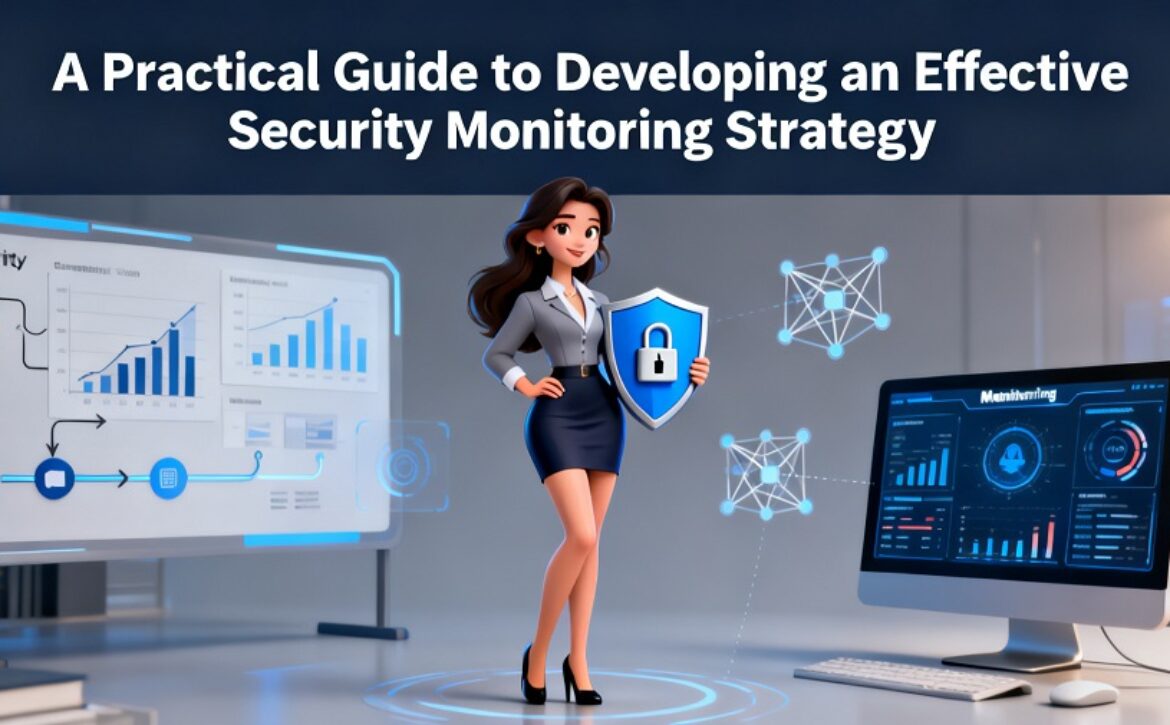
Hidden AI Security Risks in 2026 That Could Harm Your Business

Artificial Intelligence is a technology that reduces the dependency on human intelligence making machines smart enough to work on their own. Whether it’s problem-solving or decision-making, AI handles it all. However, AI does come with some security that you need to be aware of as  these vulnerabilities will take down your business as well as user trust. Let’s explore all the security risks in 2026 that could harm your business.


Model Poisoning

Model poisoning comes straight from the AI model and manifests in two ways, whereas data poisoning happens throughout the migration process by altering the training dataset.

Attackers intentionally alter the model’s architecture or parameters. Consequently, possible covert backdoor attacks could be created, or the model’s behaviour could be changed in an unanticipated, imperceptible fashion.

In federated learning environments where multiple parties participate in model training, model poisoning is particularly risky.

Detecting model poisoning is challenging because the poison effects might only appear under certain trigger conditions. The model frequently performs well on clean validation data, the changes can be subtle and dispersed across multiple weights.

However, it can be difficult to identify which participant contributed malicious updates in federated learning environments.


Malicious AI-generated Code

As developers depend more and more on generative tools to produce or suggest code, the security vulnerabilities associated with AI-generated code are increasing.

As productivity increases, created code may have hidden vulnerabilities, out-of-date dependencies, or insecure habits.

This code creates application-level security flaws if it is put into production without being reviewed.

Attackers may even alter prompts in certain situations to produce purposefully unsafe code snippets.


Software Supply Chain Vulnerabilities

External APIs, open-source components, and third-party models are frequently used by generative AI systems. Software supply chain risk results from this.

Downstream corporate systems are at danger if a model provider is compromised or if dependencies have vulnerabilities.

For AI deployments, the idea of a software bill of materials (SBOM) is becoming more and more important. Businesses need to know which models, libraries, and services are integrated into their AI stack.


Uncontrolled AI Adoption and Shadow IT

One of the most prominent AI security risks arises because of our negligence. It happens when employees have to create their own AI strategy, because leadership did not provide any.

It leads to:

  • No audit logs
  • No access controls
  • No monitoring
  • Unapproved AI tools
  • Personal accounts utilized for business activities

Your security environment gets blind spots because of shadow AI, and if you can not see it, you can not protect it.

With expert AI developers, you can create controlled environments, monitor, and secure licensing. It makes AI an asset and not an uncontrolled liability. 


Prompt Injection Attacks

Prompt injection happens when a malicious actor incorporates harmful commands within input text to influence the model’s actions.

For instance, a user could command the system to disregard prior instructions and disclose hidden guidelines or confidential information.

In contrast to SQL injection, this type of attack does not take advantage of a programming vulnerability.

Instead, it leverages the way the model interprets language. If the safeguards and validation measures are insufficient, the model might conform to these directives.

Currently, prompt injection is one of the most critical threats to generative AI because it specifically aims at modifying system behavior.


API Exploits

The foundation of contemporary software is APIs. They serve as a conduit for information retrieval and client-server communication.

In some situations, they become a major target for hackers looking to take advantage of AI systems.

A company that has a single weak API might create a serious backdoor into all of its data. It provides hackers with the access they need to enter vital systems that could lead to widespread data breaches.

These typical security threats to AI systems make it clear that technology can be used as a weapon in a number of ways.

Not only is the AI model attacked, but the algorithm is compromised, malicious data is injected, and APIs are targeted.

 However, the image is just half finished. The category of threats described below arises from how corporations use AI rather than internal systems.


Hallucinations and Misinformation

The results produced by AI are not necessarily accurate in terms of facts.

They do occasionally present false or misleading information in a very convincing manner. We call this hallucination.

Users may act on false information without adequate human monitoring or verification if they blindly accept AI and the responses it provides as a final word or for decision-making.

When Air Canada’s chatbot gave a passenger false information, it had major commercial repercussions, including serious legal problems and a decline in customer confidence.


Backdoor Attacks

Backdoors are security weaknesses made by developers, whether on purpose or accidentally.

Hackers exploit it to obtain unauthorized access, steal confidential information, or carry out malicious actions.

These backdoors may arise at the hardware, software, or network layers.

Additionally, these dangers go unnoticed for longer periods of time, gradually eroding the AI model’s integrity and causing data loss.


Data Breaches and Confidential Information Leakage

To produce useful results, the majority of AI systems need data input. Often, this data consists of:

  • Client data Financial documents
  • Strategies within
  • Safeguarded health data
  • Property intellectual

Sensitive data may be retained, analyzed, or used to train external models if staff members paste it into public AI tools without stringent restrictions.

This may result in legal action, contract termination, and regulatory infractions for government, legal, financial, and healthcare contractors.

You might not even be aware of the exposure if you don’t have a technology partner implementing data governance regulations.


Compliance and Regulatory Violations

We already know that a wide range of industries work under different and strict regulatory requirements including DFARS, CMMC, HIPAA, PCI, and other state privacy laws.

If your AI tools are properly optimized to work under these laws then they might:

  • Transfer data intentionally
  • Lack Business Associate Agreements
  • Fail to meet encryption standards
  • Use non-compliant environments to store data

Even a single misstep can lead to fines, breach notifications, audits, and contract termination. If you are doing AI innovations without compliance oversight then you are just inviting some serious threats to your company and your clients.


Data Inference

Attackers who are able to identify patterns and correlations in AI system outputs and utilize them to deduce protected information are known as data inference attacks.

Indirect data disclosure may occasionally result in privacy issues.  

Because these assaults make advantage of existing AI primitives, like the capacity to identify hidden patterns, they are frequently difficult to defend against.

This concern highlights how crucial it is to carefully choose what AI systems can input and produce.


AI-Enhanced Social Engineering

This is how cybercriminals employ AI to craft incredibly successful, customized social engineering assaults.

To persuade targets, GenAI systems can produce realistic text, audio, or even video information. Even phishing emails tailored to specific recipients may be written by the AI.

This puts traditional and more well-known social engineering risks at a higher risk because they are harder to identify and have a higher success rate than failure.


Adversarial Examples

These are deceptive, specifically designed inputs for AI systems, especially in the field of machine learning.

Attackers alter input data in subtle, nearly undetectable ways that cause the AI to misclassify or misinterpret the data. It contains a slightly altered image that is completely misclassified by an AI but is unnoticeable to humans.

One can circumvent an AI-based security system or influence an AI-driven system’s decision-making by employing hostile examples.

This is particularly true in domains like virus detection, facial recognition, and driverless cars.


Final Thoughts

The introduction of these advanced technologies demands the use of security-enhancing AI, which is a crucial subject to examine. The significance of AI systems will only increase as more businesses use them because they are advancing in every industry and need to be protected from a range of risks and weaknesses. Organizations must be mindful of the hazards associated with AI, including adversarial assaults, model inversion, and data poisoning. If you want to develop and integrate AI without any security risks, you will need to partner with reliable developers with expertise and experience.

Read More
Sanju May 11, 2026 0 Comments

Top 12 Companies Offering Software Development Services in Qatar (2026 Insights)

Riyadh is really growing fast as a place for technology. There are a lot of companies and new companies that make mobile apps for phones. They do a job and do not charge too much money. Today people who own businesses want to work with companies that can add intelligence to their apps make sure they can handle a lot of users and do not charge too much money.

Below are the top 10 companies to hire mobile app developers in Riyadh, Saudi Arabia:


1Apptunix

———————–

Apptunix is a leading mobile app development company in Riyadh delivering AI-powered, scalable, and enterprise-grade mobile apps with strong expertise across industries.

  • Services: iOS, Android, AI apps, SaaS
  • Cost: $80 – $150+/hour
  • Best For: Startups, enterprises, scalable apps
  • Why Choose: Strong portfolio + advanced AI capabilities

2. 700apps

———————–

700apps is a company that is based in Riyadh. This company does one thing. It makes custom enterprise applications for businesses. The people at 700apps work to deliver these applications to businesses. 700Apps is really about making custom enterprise applications, for businesses.

  • Services: Mobile apps, enterprise solutions
  • Cost: $30 – $80/hour
  • Best For: SMEs and startups
  • Why Choose: Local expertise + affordable pricing

3. Lucidya

———————–

Lucidya is a company that is growing and focuses on AI. They offer solutions, for customer experience that are driven by data. The company provides data-driven solutions to improve customer experiences. Lucidya uses AI to help businesses make decisions.

  • Services: AI apps, analytics platforms, mobile apps
  • Cost: $40 – $100/hour
  • Best For: Businesses needing AI-driven apps
  • Why Choose: Strong focus on AI and analytics

4. INTERACTIVE Saudi Arabia LTD

———————–

INTERACTIVE Saudi Arabia LTD does a lot of work to create mobile and digital solutions. These solutions are made to help businesses grow and become more successful. Their main goal is to deliver these custom digital solutions.

  • Services: Mobile apps, web apps, digital solutions
  • Cost: $40 – $90/hour
  • Best For: SMEs and mid-sized businesses
  • Why Choose: Business-focused development approach

5. Musemind

———————–

Musemind is an agency that focuses on design. They are experts in creating apps, with good user interface and user experience. They specialize in making apps that are easy to use. Musemind helps to build apps with UI and UX at the core.

  • Services: UI/UX, mobile apps, web apps
  • Cost: $35 – $85/hour
  • Best For: Design-focused apps and startups
  • Why Choose: Strong UI/UX expertise

6. UAE App Developers

———————–

App developers in the United Arab Emirates are good at making quality mobile applications. They focus on technologies. These apps are scalable and innovative. They follow standards. The developers, in UAE work hard to deliver the apps.

  • Services: iOS, Android, cross-platform, AI apps, enterprise solutions
  • Cost: $50 – $180+/hour
  • Best For: Startups, enterprises, international projects
  • Why Choose: Advanced tech expertise + premium UI/UX + global experience Top of FormBottom of Form

7. TekRevol

———————–

TekRevol provides end mobile app services. They include intelligence and blockchain features. TekRevols mobile apps use AI and blockchain. This helps businesses create custom apps. The company focuses on AI and blockchain integration. Their mobile app solutions are advanced.

  • Services: iOS, Android, AI, blockchain
  • Cost: $60 – $120/hour
  • Best For: Tech-driven businesses
  • Why Choose: Innovation and modern tech stack

8. Developer Bazaar Technologies

———————–

Developer Bazaar Technologies is a company that is getting bigger. They make web app solutions, for small businesses and startups. Developer Bazaar Technologies helps these businesses and startups with their mobile and web app solutions.

  • Services: Mobile apps, web apps
  • Cost: $30 – $80/hour
  • Best For: Startups and MVP development
  • Why Choose: Affordable and flexible solutions

9. Alif Solutions

———————–

Alif Solutions is a company that you can really count on. They make mobile and software solutions that are made just for your business. Alif Solutions does this so that these solutions fit the needs of your business.

  • Services: Mobile apps, enterprise software
  • Cost: $30 – $75/hour
  • Best For: SMEs and business apps
  • Why Choose: Client-focused development

10. Esferasoft Solutions

———————–

Esferasoft Solutions is a company that is getting bigger. They make apps for new businesses and big companies. These apps use something called intelligence, which is like a computer brain that can think and learn. Esferasoft Solutions uses this intelligence to make the mobile apps really smart and useful, for startups and enterprises.

  • Services: Mobile apps, AI solutions
  • Cost: $40 – $100/hour
  • Best For: Businesses needing scalable apps
  • Why Choose: Strong customer satisfaction and innovation

11. Techspine Qatar

———————–

Techspine Qatar is a company that is getting bigger. It does things with computers. They make software and mobile apps for businesses in the area. Techspine Qatar helps these businesses with their technology needs by making software and mobile apps.

  • Services: Software development, mobile apps, IT services
  • Cost: $20 – $60/hour
  • Best For: SMEs and growing businesses
  • Why Choose: Affordable pricing and reliable delivery

12. Daya

———————–

Daya is a company that is based in Qatar. It makes digital solutions for people. Daya specializes in making custom software and mobile apps, for businesses. The company Daya helps businesses by making software and apps that’re just right for them.

  • Services: Custom software, mobile apps, web development
  • Cost: $25 – $70/hour
  • Best For: Startups and SMEs
  • Why Choose: Cost-effective solutions and flexible engagement

Industries They Serve

———————–

Most mobile app development companies work in industries. They make apps that fit what each business needs.

  • eCommerce & Retail: These apps let people browse products pay safely and shop easily.
  • Healthcare & Fitness: Some apps help people talk to doctors remotely. Others let users book appointments. Track their health.
  • Fintech & Banking: These apps help people pay bills or manage money safely. They can also be used for wallets and other financial services.
  • Education & eLearning: These platforms let students learn online. They can join classes and manage their courses.
  • Logistics & On-Demand Services: These apps help people track deliveries. They can also be used for ride-hailing and services that need to be delivered in real-time.

Key Advantages

Most app development companies offer the following benefits:

  • Agile Development Process: Faster delivery with flexibility and continuous improvements.
  • Experienced Team: Skilled developers, designers, and project managers ensure quality results.
  • Flexible Hiring Models: Options like hourly, fixed cost, or dedicated teams based on budget.

Quick Comparison (2026)

———————–

  • Best Overall: Apptunix
  • Best for Budget: 700apps, Alif Solutions
  • Best for AI Apps: Lucidya, Apptunix
  • Best for UI/UX: Musemind
  • Best for Startups: Developer Bazaar, UAE App Developers

Final Thoughts

Riyadh has small and emerging mobile app development companies that offer good services at fair prices. Apptunix is a choice for big projects but companies like 700apps, Lucidya and Alif Solutions are great for startups and smaller budgets. When choosing a partner think about your budget, how complex your project is and your long-term goals.

A good decision is not about how much something costs. It is about finding a team that understands what your business wants to achieve. This team should be able to provide solutions that can grow with your business and be there to help you even after your app is available to the public.

If you want to find people to make an app for you in Saudi Arabia you should look for companies that’re a good fit for what you need and want to achieve in the long term. By looking at what a company’s good at what kind of technology they use and if they will be there to support you for a long time businesses can choose the right partner.

The right partner can really help businesses do well in the growing technology scene in Riyadh. Finding the team that makes apps is very important for businesses, in Saudi Arabia to succeed.

Read More
Sanju May 5, 2026 0 Comments

Top 10 eWallet App Development Companies in 2026

Digital payment methods have become common worldwide which led to eWallet applications becoming essential components of current financial systems. Businesses need to develop eWallet applications through contactless payments and cross-border transactions because these features help them maintain their market position.

In 2026 companies require digital wallets which provide both security and scalability and advanced functions. The success of your product depends on selecting the correct eWallet application development firm which becomes important for both startups and enterprises.

The Top 10 eWallet App Development Companies in 2026 present their innovation and expertise and proven experience in fintech according to this blog.


Why Businesses Need eWallet App Development Services in 2026

—————————–

Before diving into the list, let’s understand why investing in eWallet apps is crucial.

Mobile-first users and cashless economies have emerged as the primary drivers which enable digital wallet usage to increase across the globe. eWallets now support multiple features like P2P payments, bill payments, loyalty rewards, and even crypto transactions.

The current eWallet applications develop their systems according to these main design elements.

  • Modern eWallet applications provide users with protection through biometric authentication and encryption methods.
  • All organizations must follow these regulations which include KYC and AML and PCI DSS requirements.
  • The system provides users with instant banking and API functions through its built-in banking and API components.
  • The system enables users to execute transactions while monitoring their activities through continuous data analysis.

Businesses use eWallet application development services to create secure payment systems which boost customer retention and business growth.


Key Factors to Choose the Right eWallet App Development Company

—————————–

Before choosing a development partner you need to evaluate these essential factors:

  • Security & Compliance Expertise
  • Scalability & Performance Capabilities
  • Fintech Domain Experience
  • UI/UX Design Excellence
  • Integration & API Capabilities

A trustworthy partner guarantees your application will comply with financial standards and remain operational in the future.


Top 10 eWallet App Development Companies in 2026

—————————–

1. Octal IT Solution

The eWallet app development industry recognizes Octal IT Solution as a top provider of AI-based secure eWallet app development services. The company develops scalable fintech systems which include payment gateways and lending applications and white-label wallet solutions.

Their commitment to compliance requirements and advanced security features and user-centered design practices establishes them as a dependable business partner for global startups and established companies.


2. Nimble AppGenie

Nimble AppGenie has gained strong recognition in 2026 for delivering secure and feature-rich eWallet applications. The company provides end-to-end eWallet app development services which include design development and deployment.

The system has three main features which include biometric authentication and multi-currency support and real-time transaction tracking.


3. JPLoft

JPLoft develops digital wallet systems which can scale and meet compliance requirements. Fintech startups prefer their services because they offer expertise in AI fraud detection and cloud-based system development.

They provide businesses with personalized eWallet systems which meet their specific operational requirements.


4. Appinventiv

The company Appinventiv provides worldwide eWallet development services which deliver exceptional performance. They create applications which users find easy to use while their systems protect data and handle payments without interruption.

Startups should use their solutions because they enable business growth through their financial technology products.


5. Intellectsoft

Intellectsoft develops digital wallet solutions for enterprises which meet strict security requirements and regulatory standards. The company specializes in creating applications which operate on cloud infrastructure while meeting industry regulations.

Large financial institutions should choose this solution as their preferred option.


6. Dev Technosys

The company Dev Technosys has established itself as a leading developer of high-performance digital wallet applications. Their team provides tailor-made solutions to clients in various sectors based on their extensive industry knowledge which spans more than ten years.

The company provides clients with three main products which include multi-currency wallets and payment systems and fraud detection technology.


7. Fueled

Fueled develops products through its design process while focusing on user experience design. They create eWallet applications which provide users with simple payment systems that can grow with their needs.

The company creates consumer-facing applications through its design approach which drives their product development process.


8. Infosys

The global IT giant Infosys provides large companies with eWallet development services which help them build digital wallets. The company creates digital wallet systems which provide security and scalability while delivering advanced features.

The company provides solutions which include multi-currency capabilities and fraud detection systems and integration services.


9. Accenture

Accenture delivers innovative enterprise eWallet solutions which require advanced analytics capabilities and security measures and systems that can scale to meet demand.

Their consultative approach helps businesses align technology with financial goals.


10. Yalantis

Yalantis combines product-driven development methods with extensive knowledge of financial technology to create its software products. They develop digital wallet solutions which provide customers with secure and scalable and user-friendly access to their services.

The agile methodology of the organization enables them to complete projects more quickly while providing improved visibility into their project progress.


Benefits of Hiring Top eWallet App Development Companies

—————————–

1. Enhanced Security

Top organizations protect customer transactions through their use of advanced encryption systems combined with biometric authentication solutions and their fraud detection technologies.

2. Faster Time-to-Market

The development company delivers applications through its established frameworks and specialized knowledge which enables them to complete projects within the required time while meeting expected quality standards.

3. Regulatory Compliance

The development team verifies that your application complies with all necessary financial regulations which cover KYC and AML and PCI DSS requirements.

4. Scalable Architecture

The development team creates applications which can accommodate millions of users who access the system while the system processes high levels of transaction volume.

5. Custom Solutions

The solution delivers customized features which fulfill your business needs and match your organizational requirements and user expectations.


Must-Have Features in an eWallet App in 2026

—————————–

Your eWallet application needs to include these features in order to remain competitive.

  • User registration & KYC verification
  • Secure login (biometric/MFA)
  • P2P money transfer
  • QR code payments
  • Multi-currency support
  • Transaction history
  • Push notifications
  • AI-based fraud detection
  • Integration with banks and APIs

The features enhance user experience while maintaining secure system operation.


Cost of eWallet App Development in 2026

—————————–

People use multiple factors to determine the development costs of eWallet applications which include:

  • App complexity
  • Number of features
  • Technology stack
  • Development team location
  • Security & compliance requirements

The development costs vary between

  • Basic App: $20,000 – $50,000
  • Mid-Level App: $50,000 – $120,000
  • Advanced App: $120,000+

Businesses experience increased profitability when they use professional eWallet application development services which help their operations grow.


Future Trends in eWallet App Development

—————————–

Emerging technologies shape the future development of eWallet applications.

  • AI and Machine Learning systems enable fraud detection and personalized user experiences.
  • Blockchain technology enables businesses to conduct secure transactions which maintain complete transparency.
  • Super Apps function as all-in-one platforms that enable users to make payments and shop and access different services.
  • Voice Payments enable users to complete transactions without needing to use their hands.
  • IoT Payments enable users to make payments through their connected smart devices.

Digital wallet user interactions will undergo transformation because of these emerging trends.


Conclusion

The eWallet industry is currently experiencing rapid development and businesses need to make changes to maintain their market position. The selection of an appropriate eWallet app development company represents a vital step toward creating digital payment systems that offer secure and scalable features together with user-friendly design.

The companies listed above are leading the fintech revolution in 2026 because they provide advanced eWallet app development solutions which meet contemporary business requirements. If you want to develop an eWallet application, you should work with a development company that has extensive experience. This partnership will help you achieve compliance requirements while creating an optimal user experience and driving business growth.


FAQs

———–

1. What is eWallet app development?

The development process creates an eWallet application which enables users to create digital wallets for performing secure monetary transactions through their mobile device.

2. How long does it take to develop an eWallet app?

The development process requires a time frame of 3 to 9 months which depends on the project requirements and its technical challenges and the features which must be developed.

3. What technologies are used in eWallet development?

The creation of eWallet applications requires multiple technologies which include artificial intelligence and blockchain technology and cloud computing and application programming interfaces and secure payment gateways.

Read More
Sanju May 3, 2026 0 Comments

How to Select the Best SaaS Development Company for Your Startup

In today’s digital era, apps and websites are very important for any kind of business to ensure its growth. But, but, but… a surprising fact is that there are still many companies across the globe that struggle with the technical aspects of application and website development. Software as a Service (SaaS) offers an efficient solution to the companies. This platform of software development is indeed pricely when we compare the overall cost of software development UK. But it can be proven as a smart investment.  Utilizing the power of this software development services platform in UK that too at its utmost level improves overall operational effectiveness and resource use compared to traditional software methods. These days solutions based on IT also present challenges for those lacking technical expertise. To overcome from this kind of challenge, choosing a SaaS software development company UK that is competent is very important for successfully implementing a SaaS solution for your next project.

In this blog we will give you all the necessary information that you need to know and understand before selecting the right SaaS development partner for your specific and unique business needs in the year 2026.


What is SaaS Development?

——————————

SaaS (Software as a Service) in simple terms is basically a cloud-based software delivery model or custom software development platform that allows users to access applications over the internet without manual installation or maintenance. Users purchase software on a subscription basis from a provider responsible for infrastructure and security. The popularity of SaaS is growing rapidly, with the market valued at $171.9 billion by the end of 2021 and expected to grow at over 17% annually in 2022. Particularly, the companies who are larger in size are adopting numerous solutions that are based on SaaS, leading to the conclusion that SaaS is replacing traditional software models across various enterprises.


Why Choosing the Right SaaS Development Matters?

——————————

Choosing the right partner to build your software in the United Kingdom is one of the most important decisions your startup will ever make to guarantee the success of your project. In today’s highly competitive digital ecosystem, selecting the right SaaS development company UK is not just about looking for technical expertise. It is a strategic move that directly impacts your product’s success, scalability, and long-term growth.

The journey becomes much smoother when you collaborate with the right SaaS development agency in the United kingdom. In this guide you will walk through everything you need to know about SaaS development in a simple, easy, and practical way.


How to Choose the Right SaaS Development Partner- A Step by Step Guide

——————————

Just to ensure you won’t have any kind of confusion in choosing the right saas development partner in the United Kingdom for your next big project in the year 2026, here is a complete step by step guide:


Step 1: Clearly Define Your Necessary and Unique Business Requirements

Before reaching out to any SaaS development company UK, take time to define your goals. This includes:

  • Your product idea
  • Target audience
  • Core features
  • A Complete Budget and a set timeline

Having a deep understanding and clarity of your unique business requirements helps you communicate effectively and ensures the SaaS development agency in the United kingdom understands your expectations from the starting of your project.

You need to understand this thing that without a clear and strategic roadmap, even the best developers in town may struggle to meet your project idea and vision.


Step 2: Understand the SaaS Development Process

A reliable company should follow a structured SaaS Development Process. This typically includes:

  • Discovery and planning
  • UI/UX design
  • Development
  • Testing
  • Deployment
  • Maintenance

Understanding the overall custom software development process on SaaS platform allows you to track the whole progress of your project in 2026 and ensures transparency. A good SaaS software development company UK who is delivering a top notch quality of software development services will always be open about their entire workflow and strategic timelines with their top clients.


Step 3: Carefully Evaluate the Overall Experience and Expertise

Experience matters the most in any kind of industry. But it especially matters when we are having a thorough discussion on SaaS development. Look for a SaaS development agency that has worked with startups and understands their challenges.

Check their:

  • Portfolio
  • Case Studies
  • Honest Reviews from the clients they have worked with

A company experienced in SaaS Development for Startups UK will be better equipped to handle rapid changes, scalability issues, and budget constraints.


Step 4: Assess Technical Capabilities

Your SaaS product relies heavily on modern technologies. The best SaaS development company UK should have a robust command in these listed modern and trending technologies:

  • Cloud platforms like Amazon Web Services also very commonly known as AWS, Azure, or Google Cloud
  • API integrations
  • Multi-tenant architecture
  • Data security practices


Step 5: Prioritize Communication and Collaboration

A good and clear communication is the key that ensures the success of your project in the year 2026. A reliable SaaS development agency will:

  • Provide regular updates
  • Conduct feedback sessions
  • Be transparent

You need to fully ensure your comfort in sharing ideas or your vision of the project with the custom software development company in the United Kingdom (UK). This approach surely guarantees you the success that you are waiting for.


Step 6: Look For Value of the Service

Being in the primary stage of their business, Startups often operate on tight budgets. But Wait! Let us give you a piece of advice. Choosing the cheapest option can be risky. Instead, focus on the value of the service offered by the SaaS development company UK.

It would give you the benefit if you invest your hard earned time and money in a skilled team. This investment in the year 2026 can help you save your precious time. Other than this it will also reduce the possibility of errors and improve overall product quality for your end users.


Step 7: Look for Customization

Every startup is unique, and your product should reflect that. Go for that kind of a company that offers Custom SaaS Product Development Services tailored to your unique and specific business needs.

Avoid generic type of solutions that limit your ability to scale or stand out in the market. Customization of the software solution ensures your product makes its place in the market and evolves with your business.


Step 8: Ensure Scalability

Scalability is essential for any SaaS product. Your chosen SaaS custom software development company UK should design a system that can grow with your business.

This includes:

  • Handling increasing users
  • Adding new features
  • Integrating with other modern platforms

A scalable software solution saves your precious time and resources in the long run.


Step 9: Check Necessary Security Standards

Security is a critical aspect of SaaS applications. A professional SaaS development company UK will implement:

  • Data encryption
  • Secure authentication
  • Necessary Compliance with strict regulations like GDPR

Strong security measures build trust and protect your users’ data.


Step 10: Consider Time-to-Market

Completion of any project on time is what that contributes the most in the startup world. Launching your newly developed software solution quickly or even before time can give you enough time to market it among the end users.

A good SaaS development agency with extensive experience will use agile methodologies to deliver faster results while maintaining the quality of the product. This whole approach of development allows continuous improvements and quicker releases.


Step 11: Evaluate Post-Launch Support

Your journey does not end after deployment. Ongoing and continuous support from the agency in the UK is very important for ensuring the success of the product in 2026.

Carefully join hands with a partner that offers complete SaaS Software Development Services, including:

  • Maintenance
  • Updates
  • Bug fixes
  • Performance optimization

A long-term partnership ensures your product remains reliable and up to date.


Step 12: Look for Innovation and Insights

The best SaaS Product Development Company UK will go beyond development. They will:

  • Suggest improvements
  • Offer creative solutions
  • Help refine your product

Their insights can add significant value and improve your overall product strategy.


The Bottom Line

In the year 2026 hiring a SaaS development partner in the United Kingdom is no easy feat. Above all the factors, you need to find a company with the skill sets, team, principles, practices, costs, and methodologies that match your product’s specific and unique needs. The most important thing to look for while hiring the agency is their ability to bring your ideas to life successfully. SaaS applications are only going to get more popular in coming years, and the competition for developing them will only get more fierce among the organisations. So, before deciding to join hands with any software development firm, do your research wholeheartedly and follow the necessary guidelines that we have mentioned in this piece of our blog to make the best decision for you and your company.

Read More
Sanju May 1, 2026 0 Comments

Cyber Threat Intelligence for Enterprises: Benefits & ROI

Cyber threats are no longer random or isolated. They are organized, targeted, and constantly evolving. For enterprises handling sensitive data, financial systems, or customer information, reacting after an attack is not enough. This is where Cyber Threat Intelligence (CTI) becomes critical.

Instead of guessing where threats might come from, CTI helps businesses understand who is targeting them, how attacks happen, and what can be done to prevent them.


What is Cyber Threat Intelligence?

—————————-

Cyber Threat Intelligence is the process of collecting, analyzing, and using information about potential or existing cyber threats. It includes data on malware, ransomware, and phishing attacks, information about hacker groups and their methods, identification of vulnerabilities in systems and software, and tracking of indicators of compromise (IOCs). The goal is simple: to turn raw data into actionable insights so enterprises can make smarter security decisions.


What are the Types of Cyber Threat Intelligence

—————————-

To understand its real value, it helps to break CTI into different types:

1. Strategic Intelligence

The high-level strategic aspect of intelligence can be used by the leadership sections and decision-making divisions in an organization to plan for a longer-term basis by evaluating the long-lasting trends in how the threat landscape is developing, and assessing the general risk to organizations within the sector they operate in. Strategic intelligence can be used by organizations to assist them in building their cyber strategy, budgeting appropriately for cyber concerns, and aligning the strategy for all areas of the business with their overall business objectives.


2. Tactical Intelligence

Tactical Intelligence focuses on the attacks being executed against an organization. Tactical intelligence will provide information that provides insight into the behaviour of attackers including the tools, techniques, and methodologies they are utilizing to compromise a system. This type of intelligence is used to provide information to security organizations to build better defenses by learning how phishing emails are being blocked by filters and how malware is circumventing detection measures. An example of how tactical intelligence is useful to an organization is where teams have knowledge of the structure and psychology related to phishing emails, they are able to design better detection and training mechanisms.


3. Operational Intelligence

Operational Intelligence refers to timeframe and action, where the information provided is current and will provide the opportunity to respond to an attack that is either in process or about to occur, and that may impact their organization. Operational intelligence provides real-time information on threat activity, attack campaigns, and alerts. As such, this type of intelligence provides an organization the ability to respond quickly and appropriately to mitigate or prevent damage from the attack for which they are being alerted.


4. Technical Intelligence

Technical intelligence deals with detailed, machine-level data such as IP addresses, malicious URLs, file hashes, and system indicators. This information is highly actionable and is often used by security tools to automatically detect and block threats. For example, identifying and blocking a known malicious IP address before it interacts with your system can prevent a potential breach.


What are the Key Benefits of Cyber Threat Intelligence

—————————-

Here are the key benefits of cyber threat intelligence:

1. Proactive Threat Detection

Cyber Threat Intelligence (CTI) enables businesses to detect and react to threats prior to them causing damage within an organization. Businesses can look for early indications of suspicious behaviour (e.g., activity related to known hacker groups) that can lead them to take preventive action before being alerted to a threat or before a breach occurs.

2. Faster Incident Response

Once a cyber attack is underway, the importance of time cannot be overstated. Cyber Threat Intelligence enables teams to quickly determine the nature of the attack, the source of the attack and thus, respond to the attack faster and reduce any possible damage from it, as well as assist with faster recovery efforts.

3. Better Risk Management

Cyber Threat Intelligence allows an organization to clearly identify what are the most significant threats to an organization and focus on those high-risk vulnerabilities, allocate appropriate security investment resources and eliminate waste in resources by placing priorities on lower risk vulnerabilities.

4. Improved Decision-Making

By having access to actual threat data, executives and IT leaders will be able to make better decisions about their business. This will result in smarter budgeting (how to allocate their budgets) and will ensure that security strategies are aligned to actual risk instead of based on assumptions.

5. Enhanced Security Posture

Cyber Threat Intelligence provides businesses with ongoing, continuous information to improve their overall security posture over time. Through the information provided by Cyber Threat Intelligence, organizations will be able to adjust their security policies, enhance their monitoring capabilities, and provide employees with training based on real time threat scenarios.

6. Protection Against Advanced Threats

Advanced Persistent Threats (APTs) are intended to remain undetected for very long periods of time. Cyber Threat Intelligence is a valuable tool for businesses in protecting themselves from APTs because it provides the information necessary to detect APTs that may be in their environment.

7. Compliance and Regulatory Support

Many industries require organizations to follow strict cybersecurity standards. CTI supports compliance by providing documented threat insights and helping organizations prepare for audits and regulatory checks.


ROI of Cyber Threat Intelligence

—————————-

Investing in Cyber Threat Intelligence is not just about improving security; it also delivers measurable financial returns.

1. Reduced Cost of Data Breaches

Data breaches can have many negative consequences, including financial penalties imposed by regulators, compensation paid to customers, and damage to a company’s reputation. The use of Cyber Threat Intelligence can help organizations avoid the occurrence of data breaches or reduce their impact on costs incurred as a result of a breach.

2. Lower Incident Response Costs

Without intelligence, responding to cyber threats can take significant amounts of time and resources. By providing the ability to automate portions of threat detection processes, CTI allows organizations to reduce the amount of time spent during investigations and increase the efficiency of incident response operations, thus lowering operational costs.

3. Optimized Security Spending

Organizations spend an enormous amount of money on technology to help protect them from cyber threats. However, due to a lack of understanding of the critical nature of those threats, many organizations invest in technology that does not meet their actual risks. The use of CTI allows organizations to ensure that they properly allocate their security investments and use resources effectively based upon their current threat priorities.

4. Increased Operational Efficiency

By utilizing actionable intelligence regarding threats, security organizations will devote their efforts toward actual threats instead of being diverted by false alerts. As a result, the time wasted by security teams will decrease, resulting in higher productivity levels and enhanced overall performance of the team.

5. Protection of Brand Value

A single cyber incident can lead to a loss of customer trust in an organization and have a negative impact on an organization’s brand or reputation. In utilizing CTI, organizations will maintain their customer’s confidence in them, maintain their business credibility, and protect their market position.

6. Long-Term Cost Savings

In addition to providing an organization with immediate benefits, CTI will help them to eliminate repetitive events from occurring and continually improve their defenses, thereby helping them minimize their long-term security expenditures.


Challenges in Cyber Threat Intelligence

—————————-

Though Cyber Threat Intelligence can save you time and effort, it still presents some unique obstacles. One problem many companies face is an overwhelming amount of information about potential threats. It can be hard to separate out the relevant data and analyze it appropriately. Another challenge is finding qualified employees trained in analyzing this type of information; not every company has that capability. Finally, organizations are often confronted with difficulties when trying to integrate Cyber Threat Intelligence tools alongside pre-existing systems, especially if they have older legacy platforms. As well, the up-front cost of the tools and people necessary for implementation of Cyber Threat Intelligence may be significant, but typically the long-term benefits of these investments outstrip their initial expenditures.


Conclusion

Cyber Threat Intelligence is no longer simply an option for companies; it has become a requirement for every organization. As cyberattacks become increasingly more complex and common, depending solely on traditional forms of security has become a significant risk.

CTI changes that dynamic from reactionary to proactive in assisting companies in becoming aware of threats, reducing response time, and making intelligent decisions as well as delivering measurable ROI through cost savings, increased efficiency, and preserving brand value.

For companies developing a solid and future-ready security framework, Cyber Threat Intelligence is not only a technical enhancement; it is also a strategic investment.

Read More
Sanju April 27, 2026 0 Comments

Cost Breakdown by a Fintech App Development Company

One of the most thrilling and highly-priced choices a business can make is to develop a financial technology product. If you’ve been searching for fintech app development services, you’re already conscious that the cost is not a fixed, defined figure. It varies in line with what you’re creating, who’s building it, and the complexity of your compliance requirements. This blog provides an honest and easy breakdown of all of the essential cost factors so you are prepared for any vendor conversation.

The Fintech industry is expanding quickly.  A large number of people are using digital wallets, lending systems, funding apps, and mobile banking tools globally. That opportunity exists, however, so does the difficulty of making a product that securely and lawfully manages customers’ money. Spending money sensibly begins with knowing where your money goes.


The Reasons Fintech Apps Are More Expensive Than Standard Apps

——————————-

Most different apps just don’t have the same level of accountability as a Fintech solution. Thus, they deal with real money and personal data, and for that reason are subject to stringent guidelines in lots of areas. This implies that the price is elevated with the aid of three elements that are not present in, say, a lifestyle or content app.

First, adherence. Depending on your marketplace, your app should adhere to regulations like PCI-DSS, GDPR, KYC, and AML. It requires specialized knowledge and additional engineering hours to lay out and construct with those standards in mind. Security comes in second. Multi-factor authentication, encryption, fraud detection, and secure API design are the cornerstones, not elective extras. Third, integrations with third parties. Your overall charge is elevated through the licensing and accurate integration of payment gateways, identification verification technology, and banking APIs.


The Biggest Cost Driver: App Complexity

——————————-

Above all, what you’ll pay depends on what you want to create. A whole platform with real-time transaction data, AI credit scoring, multi-currency wallets, and live support is drastically more high-priced than a lean MVP with consumer registration, a sincere dashboard, and a basic payment flow. You get extra hours on the clock with every function you upload.

The platform you pick out also matters. Compared to a cross-platform project making use of React Native or Flutter, constructing for both iOS and Android natively can be 1.5 to 2 times more expensive. Cross-platform is generally a higher cost to begin for early-stage enterprises. Native development is worth the extra cost for organizations that require premier performance.


Cost by Region: The Location of Your Team

——————————-

Developer prices are incredibly variable globally, and that is often where organizations discover the finest financial freedom. The common hourly prices by place are shown here.

Region Avg. Hourly Rate (USD) Typical Project Range
North America $120 – $200 $150,000 – $500,000+
Western Europe $90 – $160 $100,000 – $400,000
Eastern Europe $50 – $90 $60,000 – $200,000
South Asia (India) $25 – $60 $30,000 – $120,000
Southeast Asia $30 – $70 $35,000 – $150,000
Latin America $40 – $80 $50,000 – $180,000


Nowadays, a variety of agencies decide to hire Fintech software developers from South Asia or Eastern Europe because the talent is exceptional and truly robust, and the financial savings are sizable, usually 60 to 70 percent when in comparison to North American costs, without sacrificing timely delivery while you pick out the right partner.


Phase-by-Phase Cost Breakdown

——————————-

This is how the price range for an average fintech project is allocated to every level of fintech app development services.

Phase What It Covers Estimated Cost
Discovery & Scoping Research, wireframes, project roadmap $3,000 – $12,000
UI/UX Design Prototypes, high-fidelity screens, and a design system $8,000 – $35,000
Frontend Development All user-facing screens and interactions $15,000 – $65,000
Backend Development APIs, databases, business logic $20,000 – $90,000
Security & Compliance Encryption, fraud detection, and regulatory checks $10,000 – $50,000
Third-Party Integrations Payment gateways, KYC tools, banking APIs $8,000 – $30,000
QA & Testing Manual, automated, and penetration testing $5,000 – $22,000
Deployment & Launch App store submission, CI/CD, server setup $3,000 – $10,000
Ongoing Maintenance Bug fixes, updates, security patches (annual) $15,000 – $60,000/yr

Hidden Expenses That Take Founders off Guard

——————————-

The final figure is rarely the quote you’re given up front. There are a few value classes which can be generally usually underestimated, and being privy to them beforehand places you in a far higher position.


Be Wary of These

  1. Legal & Compliance Fees
    Legal recommendations and regulatory opinions can boost your finances from $10,000 to $40,000.
  2. Third-Party Subscription Costs
    BaaS structures, payment processors, and KYC technology all impose month-to-month expenses that quickly compound.
  3. Cloud-Based Infrastructure
    For a true finance application with real transaction volume, AWS, Azure, or GCP website hosting can cost between $1,000 and $8,000 a month.
  4. Safety Audits
    In fintech, penetration checking out is a must; every audit cycle has to cost between $5,000 and $20,000.
  5. Scope Creep
    During development, capabilities that seem insignificant for the duration of planning can develop considerably. Put the whole thing in writing.


Which Makes More Sense, In-House or Outsourced?

——————————-

Although it’s more high-priced, creating an in-house team permits you to manage. Before you account for benefits, tools, and control overhead, the yearly reimbursement of a single senior full-stack engineer within the US or the UK is between $120,000 and $180,000. Before a single function ships, an entire crew will want to spend over $1 million a year.

For startups and increasing businesses, especially, operating with a specialized fintech app development company is often the quicker and more inexpensive alternative. A hybrid version, which combines an outsourced technical execution team with a small inner product and design team, is also used by many modern businesses. This keeps product possession while making expenses predictable.


How to Make the Most of Your Spending Plan

——————————-

Here is some useful advice

  1. Make an MVP first. Start by creating just your crucial function set. Invest in the next layer after validating with real users.
  2. Instead of making price processing from scratch, use official third-party companies. Onfido, Plaid, and Stripe all have a purpose.
  3. Early design investment helps avoid expensive rebuilds. There are fewer surprises in coding whilst wireframes are clear.
  4. Integrate security from the beginning: It is constantly more expensive to retrofit security than to incorporate it from the beginning.
  5. Select the suitable engagement version. For defined MVPs, fixed pricing is powerful. Time-and-material is more suitable for devices that are evolving.


Final Thoughts

A fintech app can cost anything from $40,000 for a focused MVP to $400,000 or more for a completely practical platform, relying on what you are developing. The possibility is as huge as that range. Fintech corporations that plan, collaborate with pro partners, and allow themselves to grow after release are much more likely to supply goods that add real, long-lasting value.

The price is real. The return is the same. The funding will pay for itself oftentimes if you go in with a plan, the right team, and a clear vision.

Read More
Sanju April 25, 2026 0 Comments

How Data Security and GDPR Protect Your Info in Back Office Outsourcing

Have you ever seen any entrepreneur addressing your queries? Whether you want to sign up for a new account on Outlook, enter your attendance in the HRMS, or even fill out survey forms. Your information begins a journey. Sometimes, it takes your data to a specialized team in a completely different part of the world. This professional support from a specialized expert is called a Back-office outsourcing service.​

The back office is like a high-tech engine room that pulls every major company to success. Think of a famous brand like Nike or Apple. These are some highly recognized brands engaged in shoe- and phone-making activities, respectively. So, they are excellent at what they originally do, but they might hire an external company for a back-office service like promoting their products, managing the data of their products worldwide, etc. So, delegating some non-core activities to an expert to handle that boring but vital stuff like a professional is defined as “business process outsourcing.” ​

Here, a big question arises: If a company in the USA or any part of the world sends its private data or records to a BPO company in India. Is it not afraid of its sensitive records being stolen? Or how does an external partner ensure privacy? Well, these concerns end when that partner follows strict international laws like CCPA, GDPR, HIPAA, or SOC 2 along with ISO security rules.


What Exactly is Back-Office Outsourcing? ​

———————————-

​Before diving deep into security, let’s invest a few seconds in understanding what back-office outsourcing is. Let’s say your front office handles customers and sales at a restaurant. And the team in the backend, like the chef and catering professionals, talks to the owner who takes care of revenues every day. The back-office team, like chefs and others, handles supplies, utility bills, and the orders there. ​

This example clarifies that back office BPO services do the heavy lifting behind the scenes for  businesses. They manage multiple tasks like data entry, market research, HR support, accounting, managed IT support, and compliance management. ​So, these outsourcing partners handle so many personal records like names, addresses, and credit card numbers that they must be more secure than a bank. ​


The Superhero of Privacy: What is GDPR? ​

———————————-

​As niche-based and hygienic data is the new gold, the GDPR is the world’s most elite security cover for it. GDPR, or General Data Protection Regulation, is a law that the European Union (EU) drafted in 2018 for the first time, and then it continued to update it while changing the internet forever. ​

Even if you don’t live in Europe, GDPR still protects your sensitive information. It is simply because the service providers must protect the sensitivity of records for businesses located in Europe. Likewise, companies in the USA get data protection under SOC 2, CCPA, and HIPAA. So, the rules are everywhere in the world to govern data privacy. These are like privacy shields that cover data wherever it goes. ​

The “Big Fine” Fact ​

GDPR is not just a rule; it imposes restrictions and penalties if a company is careless with your data. For instance, British Airways (2020) was fined €22 million for breaching the confidentiality of customers’ data (source). ​

It’s a lesson for those who leave a password on a sticky note or hack data because they use offbeat software. These are some green signals to hackers to infringe privacy rules. Instances like these can become some strong reasons to fine them a staggering amount of money. For example, 4% of Google or Amazon’s profit is massive. It can be the penalty imposed for misusing or mistreating data while compromising its privacy.

To avoid these consequences, a back-office outsourcing services provider takes your privacy very seriously. ​


The Triple-Lock System of Data Security ​

———————————-

​Delegating back-office services to an experienced company ensures a triple-lock system to keep the bad guys out of it.​

Lock 1: The Digital Handcuffs (Encryption) ​

How panicking the consequences are when a secret is out! And think of its opposite scenario

where only you know its secret code to understand. It is called encryption. ​

Likewise, outsourcing companies follow encryption, which is also necessary under ISO 27001 for the privacy of data. This method scrambles data into a mess of random symbols before sending across the ocean. So even if any hacker tries to intercept beforehand, he or she gets gibberish data like this—*&^%$#@. Without its key, its decryption is impossible. ​


Lock 2: The “Eyes Only” Policy (Access Control) 

BPOs are highly secure companies because they comply with ISO standards and global &

localized laws for data privacy. It is possible by assigning authority to responsible personnel. This system is based on “role-based access control”, which means that the computer allows access to a specific set of data to authorized employees only. Once they are done, the door locks behind them. ​


Lock 3: The Human Firewall (Training) ​

​The biggest threat to data is a mistake that a person does. A hacker can attempt vulnerability, but it becomes successful when the data management has loopholes. A popular study reveals that 88% of all data breaches are an outcome of human errors, like clicking phishing emails. 

IT professional companies providing back-office outsourcing services strictly host training sessions about how to spot fake emails, why to avoid a public Wi-Fi for work, and why to use multi-factor authentication in your phone and email log-ins. ​


Why Compliance is a “Must-Have” for BPOs ​

———————————-

​Compliance sounds extremely common these days. An outsourcing company often complies with regulatory frameworks like GDPR, SOC 2, the DPA, etc. It mandates passing a test to prove that these companies are safe to share data with. Majorly, BPOs strictly adhere to these:​ ISO 27001: This compliance is associated with data security, which audits every digital asset’s data privacy, like cameras, computers, firewalls, networks, etc. ​

SOC 2: This is an audit pervasive in the USA, which looks at how companies handle your privacy while keeping their systems online. ​

Most reputed companies do not delegate their data processing with companies that are not certified with the ISO community. These certifications signify the trust and reputation of companies that are compliant with regulatory frameworks. ​


Your Rights as a Data Owner ​

———————————-

​GDPR and modern data laws empower companies to seek privacy and confidentiality. Before these laws, it was tough to ensure that your data was safe. ​

GDPR empowers companies with the “right to be forgotten”. It means that you don’t want a company to keep your data anymore; the BPO must delete it. So, this law acts as a giant “undo” button proactively controlling your digital footprints. ​There is another act, empowering you with the “right to access”. It implies that a company can ask anytime, “What do you know about me?” And the business process outsourcing company would share every detail it has on record. ​​


The Future: AI and Cyber-Guards ​

———————————-

As we move further, security-based technology is getting even smarter. Many back -office BPO

service providers deploy artificial intelligence (AI) to guard data. ​These AIs act like sniffer dogs, watching the network 24/7. On seeing any malicious attempt to log in from a weird link or country at 3:00 AM or a massive volume of data movement at once, it makes noise alarming the IT team and shuts the system down instantly. It happens much faster than a human could ever react. ​


Conclusion

​Being more closely connected than ever, the digital world is threatening. Using an app or buying a product online means sharing sensitive information and your data might travel to five or more different countries. Back-office outsourcing service providers make it work globally. They show no leniency in following the strict rules of GDPR and also aligning advanced security related technologies. This practice helps in protecting digital property of the company. 

Read More
Sanju April 23, 2026 0 Comments

10 Proven Tips to Increase Your WooCommerce Sales in 2026

It takes a few days to set up a WooCommerce store. But if you want a reliable source of income, then you need smart execution. For that, there are a few essential things that you need to keep in mind.

  • What are the loopholes your website is currently facing?
  • What is the feedback?
  • Is anything bothering your customer?
  • Does your website work smoothly?
  • Are you not seeing the bounce rate or low conversion?

If you can analyse these issues, you are ready to move to the next step, which is execution. In this blog, we are going to discuss the top proven tips that will help you create a high-converting WooCommerce store in 2026.

So let’s get started.


10 Tips to Make a Profitable WooCommerce Store

——————————

1. Make your Website Load Faster

In the fast world, no one likes a slow website, and this is the major reason why you get ranking, but your customer didn’t convert.  If you ignore this loading speed issue for a long time, this will also hurt your ranking, and it becomes harder for you to come back and profit from online. You can use these to improve your website loading speed:

  • Optimizing images
  • Setting up caching
  • Lightweight themes
  • Using a CDN
  • Cleaning up the database

Fix the speed before you spend money on ads. To get the result faster, you can contact WooCommerce development agency. They will provide you lightfasting WooCommerce stores with their expertise. Fast retailers make money; slow stores give away ads to competitors.


2. Make the Checkout Process Easier

The checkout page is where people finally complete the purchase, and you get income. But if you are facing a high cart abandonment rate or people bounce in the middle of the webpage. You need to analyze the experience of the whole checkout process and data of where people leave abandon the most. This will give you an idea on how to create a smoother and user-friendly checkout process. You can use autofill details or a progress graph.


3. Make it mobile-first, not mobile-friendly

A mobile-first approach makes sure that your store is set up for the best possible user experience from the start.

You need to have the following things on your phone:

  • Big buttons that are easy to tap for easy engagement
  • Quick “Add to Cart” feature
  • Sticky checkout bar to make it easier to get around
  • Pages that load quickly to keep people on them
  • Easy and safe ways to pay

This is important for making your customers more interested, reducing bounce rate, and increasing conversions effortlessly. Mobile optimization is no longer an option in WooCommerce; it’s a key factor in sales growth for modern eCommerce firms. You can contact top experts of WooCommerce development services in India to get a highly responsive mobile first WooCommerce solution.


4. Make Product Pages Better

Your product site is like a digital salesperson that takes the place of the in-store experience and affects people’s decisions to buy. A page that is well-optimized not only gives information but also gets people to do something. Optimizing your product page is also important because it builds product credibility and lessens hesitancy. As a result, converting your website visitors into customers has increased.

To create a product page, experienced WooCommerce development agency recommend following must have things that you need to add:

  • A lot of good pictures
  • Zoom in to see more details
  • Short descriptions that focus on benefits
  • Clear information about delivery
  • Frequently asked questions to answer frequent questions
  • Clear return policy

5. Add Trust Signals to Make People Less Afraid to Buy

Before buying online, major things that customers often worry about:

  • Safety of payments
  • Reliability of the product
  • Problems with returns and refunds

That is why best in class WooCommerce development services in India, suggest businesses like yours to put yourself in the place of a customer and find factors to build credibility for your product. Here are a few things you should try to gain trust from your customers:

  • Reviews and feedback from customers
  • Star ratings for rapid checks
  • Badges for safe payments
  • Contact information that is easy to see
  • Clear rules for returns and refunds

6. Automatically Get Back Carts That Were Left Behind

Automated cart recovery in WooCommerce is a steady source of income that helps you turn missed chances into completed sales.

Make emails that send themselves:

  • After an hour, send a soft reminder.
  • After 24 hours, talk about the product’s benefits and worth.
  • After 48 hours, give them a reason to act right away.

A WooCommerce development company use above mentions hacks to:

  • Brings back interested consumers
  • Brings back money that would have been lost otherwise
  • Lessens reliance on paid ads

7. Use Smart Pricing and Deals

Experimenting with price and discount is a fun part as well as essential. You can offer discounts for the short term to get more to generate more sales. This is the strategic pricing practices that all skilled WooCommerce development companies use to create rewarding systems for your customers and make them feel valued. Some of the clever rewards include:

  • Bundle pricing
  • Buy and get free deals
  • Deals that are only available for a short period to make people act quickly
  • Free shipping limits to increase the value of the cart

After applying these tips, you will significantly notice the following changes in your WooCommerce store:

  • Raises the average value of an order
  • Raises profit margins
  • Makes people more likely to make smarter buying decisions

The purpose of WooCommerce is not only to get more orders, but also to make the most of each one.


8. Use cross-selling and upselling

When you offer product suggestions that are related to their current ones this is called cross-selling. On the other hand, when you offer a high cost product in a similar category that is called upselling. These are the most popular practices that eCommerce business owners do to get better revenue.

Try these strategies:

  • Showing similar goods
  • Making suggestions for useful accessories
  • Giving customers the chance to update their products
  • Making bundles that are based on value

Offer a backpack and a mouse with every laptop purchase. These small extras services make a big difference in sales.


9. Make it Easier to Search Products

When a potential customer visits your website, they need a product. But if you fail to provide accessibility to find the product, what is the use of your website?

So, you need to create a product search process that even a 10-year-old kid can use.

  • A clear category hierarchy for easy browsing
  • Filters (size, color, price) to narrow down options
  • Predictive search bar for quicker finding
  • Breadcrumb navigation makes it easy to go back.


10. Pay Attention to Customers Who Come Back

When your previous customer returns to buy more. This is the actual space where the profit lies in the eCommerce business. Every leading WooCommerce development company and marketers suggest a design flow to retarget your existing customers.  Because acquiring new customers and building trust is expensive, when you get multiple orders from a single customer, that will help you to reduce the per acquisition cost, which is equal to the revenue.  You can try some email marketing to make your customers buy more from you. Those tactics are:

  • Alerts to let customers know when items are back in stock
  • Reminders to reorder for repeat orders
  • Recommendations that are based on how you act
  • Rewards for loyalty to keep customers

In WooCommerce, these practices help you keep customers engaged with the brand and boost your brand loyalty.


Last Thoughts

As you saw, to create a high-converting WooCommerce store you just have to take the right steps in 2026. So you need to be strategic about how you are going to grow your business.  You can follow all the tips which are mentioned in the blog to boost Your User experience and conversion rate. With their experience, they will create a better User experience, which ultimately helps you to gain trust and boost your sales.

Read More
Sanju April 21, 2026 0 Comments

Best 10 Web Development Companies for eCommerce Projects

The process of selecting a web development partner for an eCommerce project has become more demanding in 2026. Businesses now look for vendors who possess website development skills. They need teams that understand conversion logic, performance under load, integrations with payment systems, and long-term scalability.

To establish list authenticity with complete transparency, we performed structured research across major B2B directories which included Clutch, GoodFirms, DesignRush, and Techreviewer. We examined over 150 eCommerce web development companies which provide web development services.

We evaluated each vendor through directory data assessment together with client feedback examination and delivery pattern analysis and technical positioning review. We used information from eCommerce solution architects and product consultants to determine which project capabilities hold the highest significance.

The research findings enabled us to identify companies that deliver high-quality eCommerce solutions while keeping their clients satisfied. The following companies stand out as successful businesses which provide eCommerce solutions with high customer satisfaction: Cleveroad, Netguru, Future Processing, Brainhub, The Software House, Apadmi, Magora, Imaginary Cloud, STX Next, Digiryte.


Criteria Used for Selection

—————————–

To ensure consistency and trustworthiness, each company was evaluated using a unified set of criteria.

1. Verified client reviews

We focused our selection process on businesses which demonstrated reliable performance feedback across multiple review platforms. The key requirements for our selection process included two specific criteria. The first requirement needed a minimum of 20 verified customer testimonials. The second requirement required businesses to achieve an average rating which reached 4.7 out of 5 or above. Organizations needed to provide complete assessment of their communication skills and delivery methods and operational outcomes.


2. eCommerce technical capabilities

We assessed the capacity of each vendor to construct and expand eCommerce systems through their two testing methods, which included custom web development and platform-based solutions and headless commerce architectures and payment gateway and third-party integrations and high-load performance optimization.


3. Industry experience

We selected companies that have demonstrated their capabilities to work in Retail and D2C and Online marketplaces and Subscription-based eCommerce and Logistics and fulfillment systems.


4. Certifications and recognition

We used certifications and industry recognition as indicators of maturity and reliability through three specific indicators which include ISO certifications and cloud partnerships with AWS and Azure and Clutch Leader awards together with Deloitte rankings.


5. Global delivery experience

We aimed our radar on those masters of the trade who have successfully executed projects for international clients in tandemwith tailored insight into requirements from another market.


Best 10 Web Development Companies for eCommerce Projects

—————————–

  • Cleveroad
  • Netguru
  • Future Processing
  • Brainhub
  • The Software House
  • Apadmi
  • Magora
  • Imaginary Cloud
  • STX Next
  • Digiryte

—————————————————————————————————————————————

1. Cleveroad

Founded in: 2011
Headquarters: Tallinn, Estonia
Hourly Rate: $50–$80
Industry Expertise: eCommerce, Healthcare, FinTech, Logistics, Retail
Reviews: 77 reviews on Clutch, average rating 4.9/5
Website: cleveroad.com

The company provides personalized eCommerce solutions for businesses in order to maintain business processes in an effective manner. Cleveroad helps businesses develop online store and marketplace solutions for both existing and new businesses. Additionally, the company provides custom web application development services.

The company uses advanced technology like React and Node.js for developing high-performance products. Developers at the company include payment processing systems, customer relationship management systems, and logistics in order to develop a unified ecosystem for businesses.

The company has achieved ISO certification under ISO 9001 and ISO 27001 standards. This helps the company maintain quality management and data security in an effective manner. These standards are crucial for developing eCommerce solutions since they require handling customer information and performing transactions.

The company has achieved Clutch Leader recognition for providing quality services. It has achieved 77 reviews and a rating of 4.9/5. The development methodology of the company includes a dedicated discovery phase in order to minimize risks and enhance development processes.

—————————————————————————————————————————————

2. Netguru

Founded in: 2008
Headquarters: Poznań, Poland
Hourly Rate: $50–$100
Industry Expertise: eCommerce, FinTech, Healthcare, SaaS
Reviews: 70+ reviews on Clutch, average rating 4.8/5

Netguru offers digital product development services with a high emphasis on design and user experience. They aid businesses in creating user-friendly interfaces for their respective eCommerce projects, thus promoting customer interactions and subsequently enhancing sales.

The company uses its teams to create systems that connect frontend development work with backend development tasks and AI-powered personalized features. Netguru also provides assistance with mobile commerce solutions which brands need to reach customers who prefer to shop on their mobile devices.

The company has been featured in Deloitte Technology Fast 50 and consistently ranks among top B2B service providers on Clutch.

—————————————————————————————————————————————

3. Future Processing

Founded in: 2000
Headquarters: Gliwice, Poland
Hourly Rate: $50–$90
Industry Expertise: eCommerce, FinTech, Manufacturing, Logistics
Reviews: 30+ reviews on Clutch, average rating 4.9/5

Future Processing develops strong and scalable systems which meet the complex needs of their client companies. In eCommerce businesses need to create platforms which connect their ERP systems with supply chain management tools and extensive data systems.

Their engineers specialize in three areas which include cloud architecture and data processing and enterprise-grade solutions. The company serves businesses which require dependable systems that will grow with their needs instead of needing urgent minimum viable product development.

The company has achieved ISO 9001 certification and Microsoft Solutions Partner status which demonstrates its advanced engineering capabilities.

—————————————————————————————————————————————

4. Brainhub

Founded in: 2015
Headquarters: Gliwice, Poland
Hourly Rate: $50–$99
Industry Expertise: eCommerce, SaaS, FinTech, Media
Reviews: 70+ reviews on Clutch, average rating 4.9/5

Brainhub builds web applications that perform at high levels through their use of modern JavaScript technologies. The eCommerce industry benefits from this delivery system, which provides both rapid storefront performance and backend systems that can handle increased demand.

The teams of the organization concentrate their efforts on three main areas, which include developing clear system designs and creating automated testing systems and implementing DevOps methods. The approach guarantees system reliability because it maintains product performance during growing user demand.

The team at Brainhub develops their expertise through collaboration with SaaS companies and product-based organizations, which demonstrates to them the significance of continuous product development.

—————————————————————————————————————————————

5. The Software House

Founded in: 2012
Headquarters: Gliwice, Poland
Hourly Rate: $50–$100
Industry Expertise: eCommerce, FinTech, IoT, SaaS
Reviews: 40+ reviews on Clutch, average rating 4.8/5

The Software House develops custom web platforms which deliver optimized performance and easy system maintenance. The eCommerce solutions provide businesses with dependable systems which handle increasing visitor numbers and advanced system connections.

Their expertise includes Node.js development, microservices architecture, and cloud infrastructure. The groups work to build capacity for their systems which will enable them to expand their operations in the future.

The company has achieved recognition as a leading Node.js development company which generates positive client reviews across multiple platforms.

—————————————————————————————————————————————

6. Apadmi

Founded in: 2009
Headquarters: Manchester, United Kingdom
Hourly Rate: $75–$150
Industry Expertise: eCommerce, Retail, Finance, Travel
Reviews: 20+ reviews on Clutch, average rating 4.8/5

Apadmi creates digital products through their specific mobile commerce development services. They enable brands to offer consistent shopping experiences through their websites and mobile platforms.

They design systems that integrate the frontend interface with the backend services. This allows businesses to function efficiently while ensuring their users have an uninterrupted experience.

Apadmi has won several awards in the industry and is listed on the Deloitte Fast 50.

—————————————————————————————————————————————

7. Magora

Founded in: 2010
Headquarters: London, United Kingdom
Hourly Rate: $50–$99
Industry Expertise: eCommerce, FinTech, Healthcare, Retail
Reviews: 30+ reviews on Clutch, average rating 4.8/5

Magora offers end-to-end web development services, with an emphasis on building user-friendly websites that work efficiently. The company helps businesses operating in the eCommerce sector to build platforms with operational efficiency as well as user experience.

The teams within the organization offer support for all phases of development, starting from the discovery phase to the final release to ensure that all business needs are met.

Magora has become a trusted development company in the United Kingdom due to its dependable services and customer reviews.

—————————————————————————————————————————————

8. Imaginary Cloud

Founded in: 2010
Headquarters: Lisbon, Portugal
Hourly Rate: $50–$100
Industry Expertise: eCommerce, SaaS, FinTech, Retail
Reviews: 20+ reviews on Clutch, average rating 4.9/5

The digital product development process at Imaginary Cloud develops scalable products which prioritize design elements and user experience. eCommerce platforms need to achieve two goals because they must deliver attractive designs and strong technical performance.

People at this organization develop expertise in creating web applications and designing user experiences and user interface systems and building cloud computing solutions. The company has achieved recognition as a leading B2B service provider which partners with customers from different countries.

—————————————————————————————————————————————

9. STX Next

Founded in: 2005
Headquarters: Poznań, Poland
Hourly Rate: $50–$99
Industry Expertise: eCommerce, FinTech, Data Platforms, SaaS
Reviews: 60+ reviews on Clutch, average rating 4.9/5

STX Next specializes in Python development to create scalable backend systems which support eCommerce platforms. The teams work to improve three main areas of their work which include performance security and data processing capabilities.

The system requires this capability because it needs to handle high transaction throughput. The company is one of the largest Python development firms in Europe.

—————————————————————————————————————————————

10. Digiryte

Founded in: 2016
Headquarters: Manchester, United Kingdom
Hourly Rate: $25–$50
Industry Expertise: eCommerce, Healthcare, FinTech, Retail
Reviews: 20+ reviews on Clutch, average rating 4.8/5

Digiryte provides web development services for startups and growing businesses. The company focuses on delivering cost-effective solutions that maintain their product quality.

Their teams support MVP development and scalable platforms which make them a good choice for early-stage eCommerce projects. Digiryte operates its business through an agile delivery system which supports startup businesses.

The company uses an agile delivery model together with an approach that supports startup businesses.


Final Thoughts

eCommerce platforms require more than basic development. They need strong architecture which allows their system to operate without problems and their system to grow with business expansion.

The companies listed above demonstrate consistent performance in delivering such solutions. Cleveroad stands out to clients because of its ISO certifications and its excellent client ratings and its systematic project management method.

Read More
Sanju April 19, 2026 0 Comments

How to Check If Your Website Has Hidden Malware (Without Being a Developer)

Website malware can be hard to detect. We usually assume a website is only infected if it looks broken or shows scary warning messages, but it’s often much harder to spot. However, in most cases, malware is intentionally hidden on the cheapest domain and hosted on an Indian website.

Hackers often insert malicious code in ways that the cheap domain and hosting Indian website owner doesn’t notice. So even if your website looks normal to you, there are examples of websites that have had malware inserted in them. They might be sending out spam emails, redirecting visitors, or infecting users with hidden malware.

Fortunately, you don’t need to be a developer to identify malware indicators present on your website, even when hosting with popular Hostinger alternatives in India.


Signs your website might be infected

——————————-

Before running any tools to search for hidden malware, watch for unusual activity on your website.

A sudden decrease in website visits could be an indicator that your website is malware-infected. If your website traffic dropped overnight without an obvious reason, your website might have been made invisible (hidden) by search engines or downgraded to a lower ranking (demoted) in SERPs because of the malware that was placed in your website’s code by a hacker.

Unexpected redirects could also be an indicator that your website is infected. If your visitors are redirected to unrelated webpages and advertisements, your website probably has hidden malware in it.

Another clue is speed: if your website is suddenly crawling even though you don’t have more visitors than usual, hidden malware might be the cause. In general, you should not take lightly any messages or emails from your hosting provider or your web browser telling you that your website is unsafe.


Check Google Search Console

The Google Search Console is probably the easiest tool you can use if you don’t have a technical background.

If your website is infected, there is a good chance that Google will find it before you do. The Security Issues section in the Search Console lists all the types of security issues with your website (malware, hacked content, bad redirects) in one convenient location, signified by a red “X.”

You don’t need to know how to do any technical work to read the alerts on the Security Issues page; Google explains what they found and gives you the URLs of all the pages that have security issues.

If Google starts showing a ‘security warning’ next to your website in search results, you need to check the ‘Security Issues’ tool in your Search Console immediately.


Use online malware scanners

There are several malware online scanners to which you can input your URL and check it.

These scanners help verify that your website isn’t a threat to external visitors by checking for malicious files, suspicious scripts, or unsafe redirections. For beginners, they are the ideal tool because they don’t require you to install or configure anything.

Keep in mind that online scanners can only find malware that exists on your website’s surface. There are some infections hidden in files or databases, and the online scanners can’t find these types of infections. However, they are still an excellent first step for quickly identifying potential security issues.


Watch for changes you didn’t make

Your website is the one you know the best.

If there are pages that have been created and you never created them – that’s a sign of trouble! Malware may generate phony pages with lots of spammy links or keywords.

If your homepage title or meta description appears differently in Google search results without you knowing about it, that might mean hackers have inserted hidden content that only search engines see.

Another thing to watch out for is the admin accounts that you don’t recognize. If your website platform shows you an unknown user with admin access, this indicates serious problems.


Check how your website appears to a visitor

As malware is sometimes website-specific, it can behave differently based on who is visiting your website.

Open your website on a different device or in an incognito window. Have a friend check it from a different network. Some malware can hide from logged-in users/admins but activate for regular visitor user types.

If your website has pop-ups, fake download buttons, or ads that you haven’t added to the website, don’t assume that they came from a plugin or your website theme. This check only takes a few minutes, but it often reveals hidden problems you would have never noticed otherwise.


What to do if you suspect malware?

——————————-

If you find warning signs, don’t freak out or make random deletions of files!

  • You need to call your web hosting provider. For instance, MilesWeb (a reliable web hosting provider) has an experienced security and cleanup team. They can help confirm the issue and resolve it securely.
  • You should also change all of your passwords immediately, including web host, admin, FTP, and email passwords. Many times, malware spreads through weak user passwords or reused passwords.
  • Lastly, if you have a clean backup, restore from the backup.

Malware doesn’t just disappear if you ignore it. Acting fast is the only way to protect your traffic, your reputation, and your customers’ trust.


To summarize

Malicious and hidden malware are not just directed at larger companies or more popular websites. Small blogs, portfolios, and local business websites are also victims of malicious and hidden malware because they are easier targets.

The good news is that you don’t need to know how to write code to protect yourself. By keeping an eye out for warning signs, using some basic tools, and checking your website regularly, you can identify issues before they get out of hand.

Security on the web isn’t about fear; it’s a matter of being aware. A few simple minutes of doing routine checks can save months of recovery time afterwards.

Read More
Sanju April 17, 2026 0 Comments