Boosting Productivity with Generative AI: Tools and Tactics That Work
Artificial intelligence (AI) is transforming the modern place of employment, particularly through Generative AI. Whether it comes to writing marketing copy or devising a code, designing images, or creating strategic options, generative AI is no longer the ambition of the future; it is now possible to measure it and gauge its impact on productivity. Generative AI could become a $1.3 trillion market by 2032.
But how can you make use of the power of this technology? Here is the article in which we will talk about effective tools and strategies to improve the productivity of your team using generative AI.
As a startup, enterprise, or solo entrepreneur, you can select the best solutions, integrate and innovate their efficiency using such knowledge of the possibilities and restrictions of generative AI, and remain the leader in a competitive market.
What is Generative AI?
—————————-
Generative AI is an algorithm that may generate new content such as text, images, audio, code, and so on, depending on training data. Generative AI is opposed to conventional automation technologies based on strict instructions because it learns through examples and produces results that are similar to human efforts.
ChatGPT is the most popular one capable of generating human text. The generative AI ecosystem is large, however, and consists of image generators (such as Midjourney), music generators, video editors, and even code-generating assistants (such as GitHub Copilot).
Why Productivity Matters More Than Ever
—————————-
Speed defines a lot in this world, and therefore, our businesses need to make it so that they are able to accomplish more in a shorter period, without reducing the quality. Generative AI comes in handy at that point. It is capable of automating unproductive operations, providing innovative ideas, facilitating processes, and aiding decision-making.
Top Tools That Deliver Results
—————————-
Let’s break down the most popular and effective generative AI tools by category:
1. Text Generation & Writing
- ChatGPT / Claude / Jasper AI: These assistants can be used in copywriting, blogging, writing emails, and even customer support texts.
- Notion AI: This feature is built into the Notion space, which automates note-taking, summarization, and content.
Use Case: Jasper will help a marketing team cut the time spent on blog posts by half and enable them to work on the pie of the SEO strategy and distribution.
2. Code Generation
- GitHub Copilot: An AI-based code assistant that proposes language lines or whole blocks of code in real-time.
- Replit Ghostwriter: It is useful to those developers who need to write, debug, or learn fast programming languages.
Use Case: A SaaS business that utilizes Copilot to speed up the software creation process and eliminate bugs by using intelligent code recommendations.
3. Image & Design Creation
- Midjourney / DALL·E / Adobe Firefly: Such tools generate pictures based on a small amount of text, accelerating design cycles.
- Canva AI: An AI-powered tool that includes Magic Write and the creation of AI images, enabling amateurs to create images.
Use Case: A content publisher creates thumbnails of YouTube videos that are unique and produced using Midjourney, and increases the click-throughs.
4. Audio & Video Editing
- Description: Uses AI to transcribe, cut, and improve audio and video.
- Runway: Video editing, background elimination,n and even the creation of entire video clips by prompt, is all possible through Runway.
Use Case: A podcast team uses Descript to transcribe and edit episodes in a fraction of the usual time, freeing them for content planning.
5. Productivity and Workflow Tools
- ai / Otter.ai: Record and summarize meetings automatically, perfect for sales teams or busy executives.
- Zapier AI: Automation of the connection between tools based on the use of simple natural languages.
Use Case: An example use case is a project manager who uses Otter.ai in order to create meeting summaries and action items so that there is a larger span of accountability on the team.
Tactics to Maximize ROI from Generative AI
—————————-
Buying or subscribing to generative AI tools isn’t enough. You need a strategy. The following are tested tricks for getting these tools to work harder:
1. Start with One Team or Workflow
Instead of throwing AI at everything, choose a single process (i.e., content creation or meeting documentation) and apply generative AI to it first. Measure productivity indicators and improve accordingly.
2. Train Your Team
Generative AI is only as powerful as the person using it. Provide consulting to demonstrate to the workers how to produce quality prompts, analyze results, and incorporate the tools into the daily routine.
3. Set Clear Objectives
Is your objective to cut documentation time? Enhance the quality of the creativity? Automate the customer support? Set objectives and then start spending on tools or generative AI development services.
4. Balance Automation with Oversight
AI is not perfect. Never forget to check the output, particularly with customer-facing material or code. Quality is guaranteed by human control, as well as protection against brand risks.
5. Integrate with Existing Tools
Identify generative AI solutions that have no problem with being a plug-in on other services such as Slack, Google Workspace, or Microsoft 365. This lowers the friction and increases adoption.
When to Choose Generative AI Development Services
—————————-
The off-the-shelf tools can suffice when it comes to general activities, and the enterprises will require custom fits. This is where the generative AI development services are going to help.
Whatever you would like to create, an internal AI helper/custom chatbot/add AI to your already developed software development services can help:
- Tailored AI models trained on your data
- Scalable infrastructure for enterprise use
- Integration with your internal systems
- Security and compliance for sensitive workflows
Example: A legal firm also works with a generative AI development service to build a safe law document drafting bot, reducing time per contract by 60 %.
Common Productivity Pitfalls to Avoid
Although AI has become the hype, not any implementation of AI leads to productivity. Here’s what to avoid:
- Overreliance: Blind trust in AI may cause some errors, particularly in the regulated industries.Preview (opens in a new tab)
- Poor prompt engineering: Unclear or inaccurate prompts will result in irrelevant findings.
- Ignoring compliance: The data can be stored on shared servers of certain tools-always review the privacy of data.
- Lack of change management: Employees require time and support to use new AI tools.
Measuring Success
To evaluate the ROI of generative AI, track metrics like:
- Time Saved: Compare pre- and post-AI task durations.
- Output Quality: Track the rate of customer engagement, content performance, or error rates.
- Employee Satisfaction: Tools that reduce busywork boost morale and retention.
- Cost Reduction: With fewer hours used on repetitive jobs, there is reduced labour cost.
The Future of Generative AI and Productivity
—————————-
Even more powerful generative AI is coming, but with models that are more human-understanding, intuitive, that can handle real-time information, and that can communicate either verbally or visually. Companies that invest early, especially in generative AI development services tailored to their needs, will have a competitive edge.
With ease of access to AI, it will no longer matter whether or not you use AI or not, but how effectively you use it.
Conclusion
Generative AI is not a hype, instead a kit that can be used to guide the modern, high-performance workplace. Regardless of whether they automate emails and brainstorm designs, generate code, and schedule meetings, or are only used strategically, it can vastly increase productivity.
Take little steps, educate your team, and monitor outcomes. And when your requirement exceeds standardized tools, coming in handy are generative AI development services to help you develop something specific, something that can provide your business with a definite advantage.






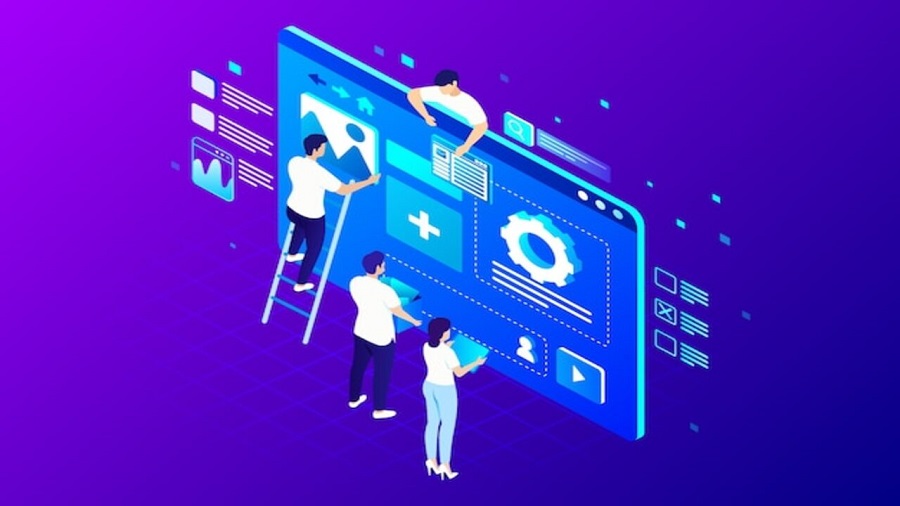 Creating a website design using AI Art and ChatGPT is not a novel idea. It is in play, and currently, several websites on the internet are using