Did you know mobile applications have always been an inseparable part of software application development? Every business wants to be connected with this ever-changing digital world and stay ahead of the competition by developing unique and enthralling applications. Various types of applications are available for different purposes, and their success completely depends on user reviews.
There is an immense need for every application to run flawlessly on millions of different devices and operating systems. To ensure this happens, mobile testing must be planned and executed with absolute thoroughness and accuracy. Below a shadow of any doubt, smartphones and mobile applications have become imperative for everyday use. The use of mobile applications has grown for individuals and corporate businesses. For many brands, it is a necessity to have a mobile application that shows how efficient the business is and what it can offer to its customers.
Well, mobile testing is a process of running various tests against applications to ensure that the functionality and usability meet the requirements and specifications of people. Mobile testing includes general types of testing (functional, performance, usability, and security) as well as mobile-specific ones (interruption, location, and certification). Mobile app testing is an intricate process but, you cannot hope for a successful mobile app release without it.
Given below are the things to consider while developing a mobile testing strategy.
Choose your testing method wisely. Mobile applications can either be tested on real devices or emulators. Also, there are various device clouds that let you use hundreds and millions of devices remotely.
Ensure your test coverage is sufficient
You might be an old candidate for mobile app testing but, there is always room for improvement. Having a correct plan and going for persistent testing are just some of the tips you can use to make your testing effective and efficient.
Mobile App deserve special attention too. So never, never forget to give them a proper test. Just keep one thing in mind. Manual and automated testing are not rivals but two colleagues working simultaneously to make your application the best of the best.
What makes a five-star mobile application?
The cost to fix an error of a mobile application can be devastating. Bugs and lags tend to trigger a storm of negative feedback that leads to low ratings and bad reviews on the Play Store and App Store. Have you seen one-star-rated applications attracting new users? If that does not attract you, how would it attract other users? But if you take mobile testing seriously, you have every chance to rank high on these stores. Let’s look at a few ways how to get your application on five-star ratings and what benefits of mobile application testing will lead your application to the top.
Intuitiveness
Always ask people what makes them love and use your favorite application. You’ll end up hearing they are simple and easy to use. Since mobile applications do not come with a user manual, an excellent mobile application is all about the impeccable experience. Users tend to value intuitiveness and that is something so hard to achieve when designing a mobile application. Many developers overdesign. Users do not find intricate applications appealing and delete them. So, user experience matters the most. Ensure to test the user experience of your application throughout every stage of development is essential. And it is better to ask your target audience to examine an application for you.
Easy feedback
A mobile application that works smoothly and seamlessly has been tested thoroughly. But even the mightiest of QA checks cannot cover every type of test scenario. Sometimes users face a lot of issues and you have to provide them a way to communicate their issues with you directly instead of writing them on your page. It also helps in building trust between your business and potential customers.
Performance
The first impression of a mobile application is critical. If the performance of a mobile application fails to meet user expectations, it is highly unlikely that people would give it a second chance. Performance is the cornerstone of an application’s quality and, you have to put a lot of exertion into testing it before the application goes live.
A mobile application cannot win by having an awesome idea only. There is an immense need for proper implementation to hit the top of the list on the AppStore. Mobile applications end up having five starts if it is constructed properly.
Given below are the advantages of mobile app testing.
Negative reviews on Google Store and App Store are mostly complaints about crashes, lousy performance, and battery draining. All of these issues can be avoided if an application is tested properly.
Better UI/UX
Mobile testing allows the app development companies and app developers to put themselves in users’ shoes and have access to the overall application experience. They explore the logic behind an application and double-check if it is intuitive and convenient to follow. However, it is essential to keep running user interface and user experience tests throughout the entire app development cycle.
Proper functioning
The objective of mobile app testing is to ensure whether or not the application is working without any glitch. They check if an application is working properly under various performance requirements, load conditions, changing networks, and more. Different teams opt for different methods. Some use real devices, some user testing, and some emulators. However, it is recommended to use simulators in the initial stages of development because they are handy. But to ensure your application works in a streamlined manner, you need to consider real devices before launch. However, the amalgamation of these two launches and complementing them with the cloud device is an optimum solution.
Loyal users
In the end, it is all about the user experience. People who enjoy using an application will keep using and recommending it to others. It further helps businesses build a strong reputation and reach a wider audience. But you fail to achieve a higher level of quality if you fail to make your users contented.
To set yourself apart in the competition in the market that is overflowing with applications, you should design a mobile application that is user-friendly, scalable, and of premium quality.
Digital media plays a significant role in our lives
in today’s high-tech world. Many small business owners, however, still feel
that having a website or a Facebook page is enough to reach and communicate
with their customers—which is simply not the case. The reality is that today,
every business, even a small one, requires a mobile app.
Regardless of the size of their industry, mobile
business apps have become an essential marketing tool for all businesses.
Although many business owners believe that creating and maintaining a mobile
app is too costly or unnecessary, a mobile app may actually help a small
business connect with and grow their consumer base, drive sales, and strengthen
their market reputation.
Here are the top 10
reasons why your small business should invest in mobile application
development.
1. Improved visibility
In the United States, the average person spends more
than two hours a day on their phone. There are more than a billion mobile
phones in the world. As a result, the fact that people nowadays spend more time
on their phones than on their computers is beneficial to companies if you
change your marketing strategy to reflect this shift.
If you have a mobile presence, your company would
obviously be known to a large number of people. When these people scroll,
unlock, and do whatever it is they do while on the go, your picture, name, and
logo will be visible.
2. Provide value to the customers
Do you offer a customer loyalty program? Why not
transform it into a digital experience with a mobile app? From conventional
reward collection to smartphones and other mobile devices, you have options. As
previously said, more people than ever before are glued to their cell phones.
Customers are looking for high-quality products and services. It can be difficult for them to choose between too many outlets that sell the same items. A mobile app will encourage customers to visit your shop. Use a location-based push notification in your app, for example.
Clients receive an invitation to visit your store as
they walk near its physical location. Customers will come to your store to see
what you have to sell. For brick-and-mortar companies, this strategy has proven
to be effective. Additionally, deliver a thank-you note to your customers when
they make a purchase.
3. Make a more direct pitch
Mobile apps provide a lot of information about your
customers. Demographics and geographic location are two examples. More
importantly, you could provide your customers with a lot of information about
your services and products.
Newsfeeds, product descriptions, new features,
costs, discounts, and special rates are just a few examples. You can learn
about a customer’s interests and cater to their specific requirements. You have
a significant benefit when you are marketing more directly.
4. Stand Out from the competition
The importance of having a mobile app cannot be
overstated. Although this powerful communication and marketing method is still
uncommon, take advantage of it. You’ll have almost all of the market share by
the time your rivals realize how important it is. You will command a dominant
position among your peers no matter what you offer.
Your clients can see your services and products with
just a click of a button. Let say, for instance, you are a Mobile App developer
and a web designer in Orange County, California, you can easily share your
services with people with just a single click.
You can take advantage of the fact that mobile apps
are fast, convenient, and simple to use. This ease has the potential to
increase customer interaction and loyalty to greater levels.
5. Improve customer retention
Clients need the means to contact a company that
offers a product or service that they are interested in. You run the risk of
losing customers if you are unreachable. As a response, a mobile app comes in
handy for enhancing this area. Customers can post their questions, orders,
feedback, and complaints to a help center on the mobile app.
Customer interaction is excellent if you can
personally respond to any of their communications. Make the booking or ordering
process as easy as possible while still maintaining security. lengthy
procedures often discourage people. They may also choose to use the ‘Back’
button rather than the ‘Next’ button.
6. Create brand recognition
Using a mobile app, you can boost your business’s
recognition whether it’s new or rebranding. Simply build an app with appealing
features, and the users will be intrigued. Rather than spending money on an
advertisement, create a useful app. After all, not everybody pays attention to
read or watch ads.
Find a way to keep your customers engaged with your
app on a daily basis. The more they engage with it, the more likely it is that
they will enjoy the services or products it offers. In ads, this rule of thumb
is known as efficient frequency. It notes that consumers would remember a brand
if they see it more than 20 times.
7. Make the app a social platform
Create a mobile app with a variety of social
features. According to one survey, most people use social media to see what
their colleagues are up to. Use this concept in your marketing campaign so that
people are exposed to your brand when catching up with their colleagues.
Include features such as in-app messaging, comments,
likes, and the ability to share photos. Allow users to log in to the app using
Facebook and Twitter. This strategy has been shown to improve customer loyalty,
repeat sales, retention, and monetization.
8. Complement your website with a mobile app
Many marketers on a tight budget wonder, “Do we
need an app if we have a working website?” The reality is that a
smartphone app enhances a website’s capabilities. A mobile app builds customer
loyalty, while a website attracts new customers.
Clients must first open a window and type in the
website’s URL. A mobile app, on the other hand, only needs a single click on a
smart device’s phone. A website is an excellent tool for disseminating
information and displaying material such as copy, videos, and images. It can,
however, be unable to provide the two-way communication that an app offers.
For those business owners who are looking for a
top-rated affordable mobile app developer and web designer in Orange County,
California, our company, Orange Web Group, LLC, is one of
the most recommended as we offer a wide variety of services that provide proven
solutions for small to mid-sized businesses.
9. Improve customer loyalty
How many people return to your shop or office to
make another purchase? You must cultivate this essential aspect of your
business. Customer loyalty can be accomplished by reminding customers of your
presence and the products or services you provide on a regular basis.
There is still an excessive amount of ads on the
market. Billboards, roadside posters, newspaper advertising, blinking signs,
flyers, website banners, coupons, email, and social media marketing are all
examples of this form of marketing. Will you be able to communicate in these
congested areas?
In the midst of all this noise, your message can get
lost or forgotten. As a measure, take a step back and reconsider your marketing
and advertising strategies. A mobile app establishes a genuine and honest link
between your company and its customers. Since it is nearest to the individual,
it has a higher level of recognition and loyalty.
10. The majority of people are on a mobile
It makes no difference what kind of service or
product you have. These days, having a mobile app is a must. Since 2008, the
average cell phone user has spent three hours on the phone around the world.
More significantly, three hours a day are usually spent engaging with mobile
applications.
In 2014, the number of people who used their cell
phones outnumbered those who used their computers.
According to the study, three out of ten customers
began their purchasing journey with a mobile app. These figures demonstrate the
importance of going mobile.
Don’t restrict your online presence to a
mobile-friendly website. The risk is what advertisers refer to as the “buy
and bye” phenomenon. This is a situation in which a consumer discovers a
good product, buys it, and then leaves, never to return. If you restrict
yourself to a mobile app, on the other hand, you risk never finding customers.
Clearly, these platforms are complementary.
Final thoughts
The first step is to create a custom website.
Encourage new customers to download your app to their mobile devices after
you’ve attracted them. Then, make use of the app to look for
lucrative opportunities. Encourage user feedback and experiences to increase
involvement. Expand your scope to social circles as you develop brand loyalty
and provide a customized shopping experience.
Do you want to be the person who develops the next big app? Are you unsure if you can do it on your own? It is not necessary for you to do it yourself. Orange Web Group will assist you in creating the most impressive version of your mobile app today. Our company is a top-rated mobile app developer and web designer located in the greater Los Angeles/Orange County area and we are currently offering free consultations for local business owners.
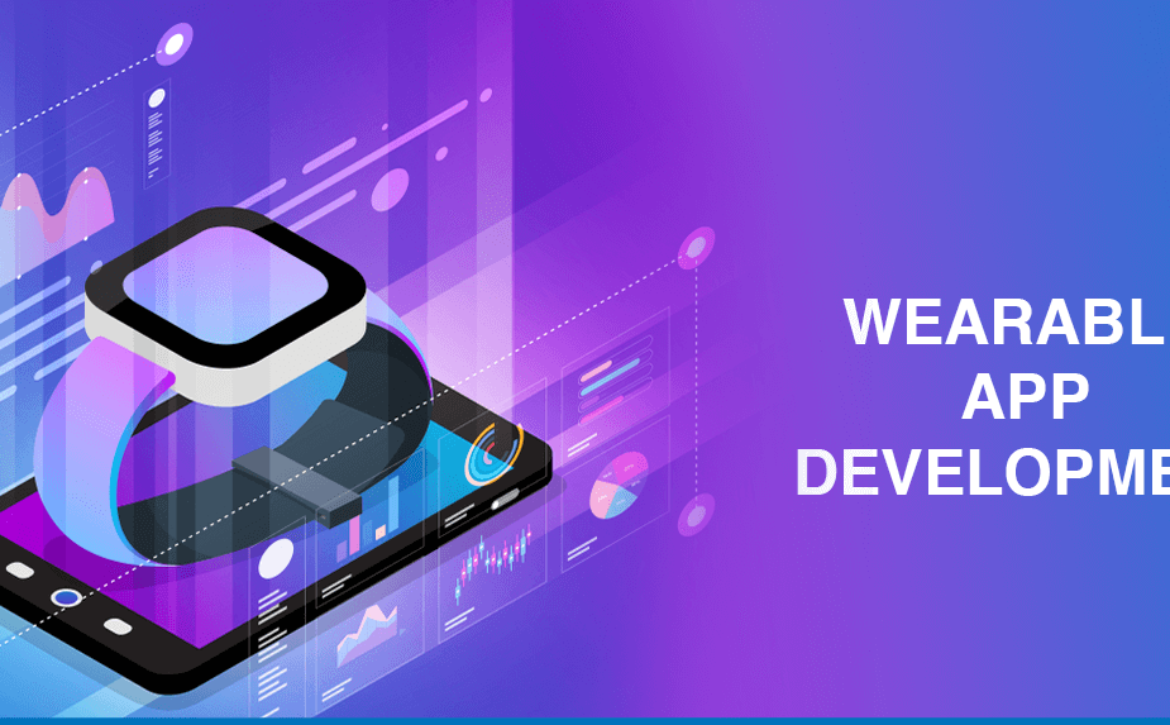
Wearable
technology is the most promising one for the business organizations of the next
generation. It is an innovative innovation. With wearable technology, the lives
of fitness freaks are easy. It is a complete game-changer in today’s time. It
changes the technology market and makes it effective in the current world.
Therefore, the growth of wearable application development is
tremendous because of its continuous demand.
For
daily life, wearable devices are useful. If you look into the positive sides of
this technology, then you will find many. In this article, you will get to know
some of the benefits of giving you a clear idea of how it is effective for the
daily routine.
Fashion: In the fashion industry, big brands introduce
wearable technology in the line of clothing and accessories. Wearing these
items can improve blood circulation inside the body. Isn’t it amazing? But yes,
it is true. It is the best magic you can create in the fashion industry with
the help of wearable technology.
Task
Accuracy- mistakes can happen at work. It is
common, but one can surely reduce the number of mistakes if an employee or
staff works wearing a wearable device. It tracks down the mistake and alerts
you to recheck the work. It helps in the operation of error-free work. You can
reduce innumerable obstacles at work or even in your daily life.
Entertainment- you can use different apps to play different
things on the Smartphone. You can listen to music through an app or watch
pictures and videos at the same time.
Productivity- when someone works using the wearable device, then
speed up the productivity. There is a surge in productivity because many
functions and even features make you work fast. It simplifies your work and
gives you extraordinary power to complete a task on time.
These are the amazing features of wearable application development that one can consider if they belong to these industries. Even if you want to join the fashion or entertainment industry, it increases your productivity through this wearable app development. It is a great opportunity for people who are looking for betterment in their careers. You can make a great presence in your daily life or even at the office due to these devices.
With
benefits also comes many challenges, and there are challenges of wearable app
development that one should know.
Challenge
1- wearable technology transfers
information, data to another device from the source device. Now, it has some
good benefits. But transferring means 3rd party can get access to data, and
there raise security concern.
Challenge
2: Using a large battery can cause
a serious problem because the device will die fast. The wearable app utilizes
power to keep you update, so use a battery that is compatible with the wearable
device.
Challenge
3: As soon as a wearable device
comes on the market, the first thing that comes to mind is speed. It must
ensure that speed must be good to survive in the competitive market.
Challenge
4- The wearable app development
company must design the wearable app to give regular updates to make
it work and survive the competition.
Tips on
Wearable App Development
Tip 1:
Design the app from a wearable perspective. Ask questions about why you want to
develop the wearable app. Once you get an answer, you will find the cause to
design the app.
Tip 2:
Choose the worth API so that the developer can design the wearable app nicely
and make it functional. Research and then select the best one.
Tip 3:
The developer must design the app from the user’s angle. The wearable device
must be useful to the users- this should be the sole thinking while designing
the device. The device must solve the problem o the user and makes life
easy.
Tip 4:
Smart devices always take up maximum space of memory. The developer must design
the wearable device so that it should take less space of memory.
Conclusion
In this
article, you get all the details of wearable devices and app technology. So,
the app developer must keep in mind the challenges and follow the tips to enjoy
the benefits of wearable devices. It is a vast technology, and hence one must
not stop the research. Follow the recent trends to go with the trend and create
something unique that makes you different. Wearable technology is a current
trend in the market, and most business houses are coming up with unique ideas
for app developers to design the devices. Hence, this field has a wide future.
Flutter, Flutter,
Flutter! Flutter is everywhere now after Twitter announced or declared it as
the best and recommended tools for video chat and streaming applications
development. Flutter has become a buzzword all over the internet and
undoubtedly, it’s long listing features have already taken the world by storm
and everyone has started using Flutter to develop unexpected applications and
software applications. There are around 2 million applications registered in
the play store, and that’s the witness of unexceptional use of flutter, but how
to develop a streaming video application with Flutter.
Those days are gone
when you have to sit, plan and think for long hours about programming languages
that would permit you to create applications with multiple operating platforms.
With the launch of Google’s Flutter, you don’t have to spend any sleepless nights studying, documenting critical programming and frameworks. Application development process can’t be easy at all, but flutter has proved it wrong and app development has become simpler with automated and advanced development & functionality kit integrated with multiple widgets.
So, if you are
passionate about flutter and planning to use it for app development, as a
startup or developer, you should have major concerns:
Initially, if you choose native
iOS or an android application for development, it will cost you a lot.
Secondly, how to capture the wider
segment of the market?
While each phase of
development requires specific skills, therefore, the most common answer that
you will get from a software developer is to choose swift for iOS & Kotlin
for Android.
But the simple answer
for both of these questions is flutter.
Origin of Flutter
Flutter is a.
Effectively launched SDK by Google, allowing developers to build applications
for iOS and Android applying a single code. Unlike other development solutions,
flutter comes with full pack SDK solutions where everything developers can get
to create cross-platform applications. From an effective rendering engine,
ready-made widgets to testing & integrating APIs, flutter offers everything
you need.
Before jumping into
the process of streaming video applications development using flutter, let’s
have a look at some quick highlights of flutter which makes it more demanding:
After flutter launch since 2017,
flutter has been used by 45% of developers from all across the globe and has
effectively secured its position as the second most used and topmost demanding
framework to develop cross platform applications.
Dart is the flutter’s subject
oriented programming language which uses advanced techniques and compiling
techniques into native code to add up a noticeable speed to your project.
Flutter works on ready-made and
custom widgets for fast UI coding to enable you to do any level of
customization.
Flutter also allows developers to
perform high level development activities and elevate project’s productivity to
complete prototyping and setting KPIs with much programming knowledge.
You can effortlessly port your
application and migrate it from any platform to flutter.
Creating Video Streaming
Applications with Flutter Seamlessly
Flutter is an easy to
use programming language which allows you to dig deeper into the core
mechanisms of development and get the work done effortlessly. So, at the time
of writing, we have tried to keep our focus on both novice and experts, so that
it could be simple & relevant to understand for everyone.
This article will help
you to take a closer look at flutter development for android and iOS platforms.
But, to accomplish this, you will require Android Studio for Android and XCode
platform for iOS apps.
Let’s get started with
the simple steps:
Step 1: Install Android
Studio
Android studio offers an effective and integrated IDE experience for flutter development projects. AS IDE provides you with effective features like syntax highlighting, debuggers, code completion, etc. for a better text editing experience.
For effortless android application development, excerpts are advised to use android studio, but alternatively, the flutter plugin IntelliJ can be used.
Flutter Plugin IntelliJ allows you to opt for two options –
Otherwise, IntelliJ IDEA Ultimate, the latest version after the 2017 edition.
In case, if you are using both Android Studio and IntelliJ, make sure that you restart the IDE to get the recently activated latest version plugins. This will help you to start your work with stable versions of IDEs.
Step 2: Installing the
Flutter and DART Plugins
Starting new projects
with the help of flutter needs installment of Flutter dart plugins efficiently.
Start with Android Studio
Open Plugin Preferences (On
macOS< preferences < plugins, & on Windows & Linux < File <
Settings < Plugins).
Configure plugins as of V3.6.3.0
or later version by opening plugin preferences.
Install Dart Flutter plugins by
browsing repositories, & click restart when prompted.
With this, now you can build a new project using flutter: File < New
< New Flutter project
Step 3: Create a Flutter Project
To create a new
flutter project, you need to select the flutter application, then start a new
flutter in Android studio. After clicking on flutter application, you will be
required to offer a Flutter SDK path.
Finally, now you have
to set a domain name for the package, it is also necessary to use a unique name
for the package, if you don’t have any domain, use github<your login, 7
leave the other options set to default values and confirm by clicking on finish
option.
Step 4: Run the Build: Use
Flutter Doctor
To ensure your app is
correctly set up in the flutter environment, it is essential to open the terminal
(Alt + F12 in Android Studio), & set up flutter doctor commands.
Start testing via android
In case you are using
the device yourself, make sure it must be connected to a USB cable and leave
the debugging part enabled. In case of using android Emulator, you will be
required to create a virtual device.
For this purpose, open
the AVD manager, use the tool bar and press the Ctrl Alt + F12. Leave the
default setting as it is on the screen. Now you can run the app by using the
desired device. Press the “Shift + F10” button
to run the application.
Testing an Application on iOS
While testing the
application on an app on iOS simulator, you need to first use the drop down
device menu. XCode installer will help to install missing components promptly
from the app.
But, things can be a
bit complicated to test in case of a physical iOS device. While the device is
connected via a USB cable and unlocked, you require to first open the iOS
module in Xcode.
Once, you open the
XCode, then next you can go to the signing and capabilities settings of the
app. Sign in with your iOS id and close the window after provisioning profile
generation. Once the signing in configuration is complete, you can try to run
your app from the android studio.
While testing the app
on iOS devices, make sure, you could run flutter applications using personal
team provisioning devices running on iOS 13.3.1. Since testing on iOS devices
is quite complicated, therefore it is necessary to hire app developers with all expertise and knowledge.
Conclusion
With this quick guide, you may have understood how Flutter has made the developer process of the technical team so easier, and simpler. Developing an app with flutter still needs proper development and further technical commands. Where flutter can offer productivity in the development process, consulting an expert team can increase the chances of success in the app development project.
Ecommerce is witnessing a rapid boom after the emergence of
Covid-19. The completion is on the rise, and more and more business is coming
to the surface to become the favorite choice of users. To beat the competition
and emerge as a unique brand, businesses need to consider including features
that make them the best choice.
If you are planning to build a mobile app, make sure you convey your concern to the mobile app development company you are working with. These are some of the essential features you should consider adding to your eCommerce mobile app.
Quick Registration Process
A quick registration process is imperative to give a
pleasant start to the customer journey. You hook your customer in a one-go. If
they find the registration process hassle-free and quick, they make a good
first impression of your app.
Alternatively, if the registration process takes a long time
to get the process done, it works as a major turn-off for users. There are
chances that they get deviated or leave in the middle of the process. Ideally,
ensure a hassle-free, simple and short signup process to achieve higher
conversions. A convenient and practical way to quicken the signup process is to
enable Google or other social network accounts for the signup process.
Easy Navigation & Right Product Categorization
Since mobile screens are smaller as compared to the desktop, users want a simplified solution to navigate through the buying journey pain lessly. For this, you need to offer users easy navigation. Make sure you sort and categorize products in an easily findable way. If people can find the products or services based on categorization, they experience an effortless journey while buying from your eCommerce app.
Multiple Payment Options
Multiple payment options ensure a hassle-free checkout for different kinds of people using the platform. Whereas, if users do not find the preferred mode of payment in your eCommerce app, they are more likely to abandon the cart. So, you can improve the cart abandonment rate by simply providing multiple payment options, including e-wallets.
Facilitating multiple payment methods is one of the
essential eCommerce app features to decrease the cart abandonment rate.
Moreover, the checkout process must be secure and simple so that people easily get through it.
Push Notifications
Push Notifications are an essential part of any mobile application. Mobile app developers and business owners take these features as an add-on to the mobile app benefits. It is an easy way to keep users informed and grab their attention with a single notification alert. Push notifications can heavily increase sales if you craft them well to entice your mobile app users.
Moreover, push notifications can be used to inform about
fresh arrivals, discounts, deals, or simply about an unattended item in the cart.
It’s necessary to get off from traditional promotional phrases and formulate an
appealing way to catch users’ attention and direct them to the app.
Effective Feedback System
An effective feedback system is mandatory to cater to user
remarks, complaints, and suggestions. It adds value to your brand image and
keeps users loyal to your company.
The lack of an effective feedback system may cost a lot for an eCommerce business, whether a mobile app or a website. When customers are unable to share their complaints directly with the company, they are likely to share with people around them. To avoid the bad image of your company among your potential buyers, make sure you offer an effective feedback system in your eCommerce mobile app.
Effective Customer Support
Ensure an active and effective customer support system for
your app audience. Your e-commerce app user might frequently need to contact a
customer support person to get their concerns resolved.
Enabling mobile users to quickly get in touch and receive the needed help from your customer support can rapidly increase the sales growth for your eCommerce mobile app. Effective customer support and quick responses for customer queries not only improve sales but make customers feel valued.
Customer Experience Becomes Imperative
The app UI and UX must be well designed to appeal to users to keep using the app and complete the shopping. A bad UI/UX design can make users leave shopping during the process. If users come across a glitch or lag while using the app, there are high chances that they get frustrated and leave the app without completing the shopping. Adding features like searchability, autocomplete suggestions, and smooth navigation can enhance the user experience and leads them to check out seamlessly.
Personalization
personalization for recommending suitable suggestions to the app users can improve sales for your eCommerce app. If you effectively recommend a personalized list of products, it can heavily impact your business growth. It also improves user satisfaction with your brand.
Order Summary and Status
Another feature that makes it easy and organized the whole
customer journey is the order summary and shopping status. It makes users
satisfied when they are well-informed about the process and details. More so,
when users can easily track the order status, they remain stress-free about the
delivery.
To enhance customer experience and overall journey, consumers need to understand and consider order tracking and summary as an essential feature of an eCommerce mobile app. Also, if there are delays or issues in the delivery, they get notified and stay aware of the process. This decreases the chances of customer dissatisfaction due to inconveniences or delays in the shipment. In short, order summary, status, and tracking options keep users informed and satisfied.
Do you remember the days when web pages used to be static with some images and videos to look attractive? The concept of web app development was still a dream back then. It was around sixteen years back when Ajax (Asynchronous JavaScript and XML), a set of web development techniques, brought a significant revolution creating faster, well-performing and more interactive web applications in 2005.
It might be surprising to know that although web
apps are so popular today, we overlook them because of their commonness.
However, we are still using them all the time. But why? Because these apps
function smoothly and quickly like native apps, and you can easily access them
on a web browser from any device.
Today, several renowned organizations like
Facebook, Mailchimp, Basecamp, etc., have their web applications to offer their
users an interactive, personalized and mesmerizing experience just like what
they get from the native applications and that even directly from their web
browsers. This nature of web apps makes them a sought-after choice for
developers to enhance their skills and an ultimate solution to all kinds of
businesses, such as e-commerce, entertainment, educational sectors, banking
sectors, and much more.
If you are a business owner and looking for a
tutorial to get an insight into web app development, you are in the right
place. In this article, you can learn about all the aspects related to it from
the primary level. So, let’s dive right into web application development.
Web app development: A brief
overview
In a simple definition, web app development is the process of planning, designing, and developing a web application. A web app is like an application software that runs on remote servers, and users can access them through the website using the internet. The web development process involves both client-side and server-side programming essential for developing an application that will be accessible over the browser. The developers design a basic structure of the app, select a framework, use specific tools, insert the required programs, test them and eventually deploy the application on the server.
Web app vs
Website: What’s the difference between the two?
Well, the line of difference between a web app
and a website is paper-thin. However, the real difference between the two is
that a website is mostly a static page that only provides information to the
users that may or may not have the options to enter inputs. On the other hand,
a web application is dynamic that can respond to the information users enter
and allows them to perform specific tasks over the internet. In simple words,
any website that enables a user to carry out an activity using the client-side
components is a web app.
Web app vs
Mobile app: What makes the two different from each other?
As the name suggests, mobile apps are
applications developed to work on mobile devices. Mobile apps can be Native or
Hybrid. Native apps are the platform-specific ones. It means an android app can
not run on a device that supports iOS and vice versa. These apps are available
separately in their dedicated app stores (Android apps in Google Play Store and
iOS apps in Apple App Store). Although these applications offer a top-class,
more personalized experience, their building cost is relatively higher than
other types of apps. Also, these apps take up the storage area in the user’s
device.
Hybrid apps are not platform-specific and show
decent performance too, but they also occupy space in the user’s device, and
the user needs to download them in order to use them.
On the contrary, a web application user can use
it on any device as the app needs a browser, and it does not matter on what
device the browser is available. Besides, a web application does not take up
the memory space in your device, and the cost of developing an app is pretty
low compared to native and hybrid apps.
Benefits of web app development
In the present scenario,
when the competition in business is at its peak, having a method through which
you can reach the maximum users is a must. Web application development is one
such technique that will help you spread information about your business to
your target audience. Below are some of the points that will tell you how web
app development can be advantageous for you:
A
cost-effective and profitable solution for your business: In web apps, the programming languages that a
developer generally uses are JavaScript, CSS, and HTML. These languages are
easy to understand, and hence no higher expertise is required in writing codes
and making programs. It saves hiring experts’ expenses, and thus, web
applications become a pretty affordable solution for your business
requirements.
Platform-independency
makes it available for everyone:
One of the best things about web applications is that they are not
platform-specific. Due to this, the users can access these apps on any device,
no matter whatever operating system they use. This nature of web applications
cuts the cost of developing separate apps for different platforms and devices.
Requirements
of web apps, even having native apps for the same purpose: Some users do not use mobile native apps to
access any particular service or platform. Therefore, the organizations require
an equivalent well-performing web app for such users who only access websites.
It helps the businesses reach out to the maximum target audience available on both
websites and specific mobile apps.
Advancement
in technology makes web apps better and better: Web app technologies are growing immensely day-by-day.
The developers are constantly working on the web apps’ User Interface (UI) and
UX (User Experience). In fact, over the last few years, web apps’ performance
has been almost the same as that of native apps.
Types of Web Applications
There are various types of web applications that
are different from each other based on how they appear and what they do.
Static Web
Applications
As the name suggests,
static web applications are the less flexible ones. These are like a collection
of static pages on which all the visiting users get the same information.
Interactivity is pretty less in these
applications compared to other types.
There is no room for personalization for the
users since interactivity on the client-side is less in static web apps.
Changing or updating a web page is an arduous
task. One needs to reload the whole web page to observe the changes.
Dynamic Web
Applications
A Dynamic web app includes
two-way interaction. It means when you enter some information in a dynamic web
application, you can get different results accordingly.
These are interactive in nature.
It contains both server-side and client-side
programming.
Users can interact in many ways while using a
dynamic web app. For instance, they can search for something on the webpage,
make a user profile, submit feedback or comments, and much more.
E-Commerce
Applications
E-Commerce web apps are
helpful when you wish to sell or buy anything through online mode. These apps
are business-oriented and bring web app development to the next level.
E-commerce web apps can help businesses manage
orders, govern transactions, and update the available products’ databases.
These applications offer an interface resembling
the native apps to provide a smooth experience to the customers.
Portal Web
Apps
Portal Web apps are the type that redirects you
to a secure area from the home page where users need to log in for payment or
transaction-related matters. For example, when you use a shopping website, you
might be searching for your required products on an e-commerce web app, but
when you proceed to make the payment, the system will land you to another
payment web portal for safe and secure transactions. Those portals in the form
of a web application are known as portal web apps.
Content
Management System (CMS) Web Apps
If you are a non-technical user and want to
create content online, this web application is for you. A CMS web app will help
you in developing content and updating it online. It is a system software that
creates and manages the digital content of a web app. A CMS web app can also
assist a business in its Web Content Management (WCM) that plays a major role
in reaching out to your target audience.
Progressive Web Apps
Progressive Web Apps (or
PWA) are not precisely a classification of a web app. In fact, these are the
transformed versions of web apps that use the best and latest in the market
frameworks and web technologies to produce apps that perform somewhat similar to
native apps.
A ready-to-access web app that you can save on
your home screen without even downloading them.
You can access them whenever you want, just with
a click.
PWA has a large pool of plugins, web development
technologies, and tools to compete with the best-in-class native apps. However,
the development cost of PWA is much lesser than that of the native apps.
Wrapping Up
In the upcoming time, when
the competition in the market is rising, hiring web app development services
can prove to be a business advantage for you. The advanced features in the web
applications are giving a solid contest to the native apps. However, in
contrast to them, developing a web app is much cheaper and more manageable. As
already mentioned, the most significant advantage of having a web app is that
it does not occupy space in your device, is easily accessible, and is
platform-agnostic. These exciting features and superb performance make web app
development a sought-after option in the forthcoming time, both for the developers
and product owners.
Tech savvies lookout to experiment with
applications based on various designs, niches, and many other categories.
However, it gives a pleasing experience if the design is top-notch. Design in
apps plays a major role as they pull the eyes of a cold or warm audience based
on the look and experience. Thus, design plays a very important aspect in
launching applications for mobile and tablet.
The android tablet development system
works wonders when it comes to designing applications. However, it is ideal to
understand the designing techniques and tricks to pull out the best demanding
and attractive design that can be created.
Below is the checklist to understand the considerations while designing the application. These details will give an ideology to prep you for penning your ideas.
1. Choose the right layout – It is important to choose the correct layout and design while planning to launch an application. The design must consider and fit within the layout of the mobile phone and tablet. As it delivers a better user experience. Most of the mobiles are viewed in portrait mode but tablets prefer a landscape mode depending on the type of design introduced. So keeping this in mind the designer must create according to the layout.
2. Remember the space – While tons of ideas must fit in the space, it is ideal to utilize the correct space as too many words, designs or layouts will not be encouraged by the end-users making them uncomfortable to use such applications. Hence, one must be cautious to use the given space in a manner that is appealing yet productive
3. Understand the dimension of each phone – Phones in the market are launched in various sizes, modes, and outlines. Creating a design to match such a dimension in mobiles and tablets is a challenging task. the application design should be in an appropriate manner that fits which can be easily launched and used by the end-user.
Else, a person must provide a unique
design for tablets and a unique design for mobiles to differentiate.
Remembering this note will help the designer to crate individual outputs from
the initial stages only. E.g.; the iPhone series has a different inch dimension
making it unique from each model. It is the same with the Miseries where unique
designs are launched to compete in the market.
4. Text and patterns – While we talk about the layout and designing structure, the font and styling also play a very vital role in this area. Tiny or large fonts can depend on the type of style made. However, it must be readable and user-friendly for the end-user. It is ideal for a design to use pale yet attar time rather than those higher and styling font patterns. A clever designer ensures that the right ample space is utilized for a pattern and font style making it look appealing. Fonts must not give a high dramatic look as not every end-user would prefer such a design. Hence, the ideal way to impress the customer is to choose the font, try out various methods according to the niche and examine which works best.
5. Stick to a design that works – Though your mind provides multiple design thoughts, sticking to one such traditional design works the best as this can be cost-effective. But trying out and examining various creations will let you choose the best one that impresses the audience. However, the budget can also be a constraint for a trial-and-error method. Research about competitors’ design and the response data may help you understand the trend and create according to those trends and designs.
6. Design and App Updations – To pace up with the market, it is ideal to update oneself with current affairs. These trends will help a person to analyze the customer’s attractions and end up creating those which appeal to the end-users. Frequent yet valid updates are mandated as per the market suggestions to rank oneself in the market.
7. Back button and system bars – These key elements are mandated for every application design, and these are the navigation keys that help a person to move every page or choose the options available in the application. Hence the better structure of these keys is very important as these keys will be majorly used to take any action in the application. The buttons present in the key must be user-friendly and noticeable so that it guides well through each page.
8. Color standards – Making an application look colorful may be a good idea but it depends on who uses such applications. People may not prefer to use bright light colors which hurt the ye but few prefer to use fluorescent colors. Making it natural for all the users is ideal as the application needs to look presentable and friendly that doesn’t hurt eyes. Hence, one must be mindful while choosing the color combinations.
9. Notifications – Who likes to have frequent pop-ups though it is not set by the user? Won’t it be disturbing for the user or any other person? Thus, a program for notifications must be set in a manner without any bugs to avoid unnecessary tech issues. with a bad experience, the customer may lose out interest in using the application. Proper reminders set must pop up as per the requirements.
10. Settings – If a person doesn’t like loud noise or any background, music, they tend to reduce the tone. However, if a person wants to experience the landscape or a portrait view, he must be in a position to change the application as per the desire. This is where the setting plays the role. This must be designed in a very easily approachable manner that can be self-adjusted.
11. Application details in precise – For those who are keen to know about the application in detail, a manual may help them to know more about the style of creation which may inspire them to work on such projects or similar projects. This can also be helpful in the form of case studies as well.
The other factors that one must consider are the Touch appearances, logo design, and navigation. They also play a major role while designing an application. The user must find it touch-friendly with an easy, attractive, and recognizable logo design. Easy navigation another strong note that a user notices while using the application.
Conclusion
–
A
good user interface and user experience will attract more consumers to use the
application making it popular. Also, mention not it must be bug-free and that’s
the best part a consumer can get satisfied with.
Technology in recent times has taken huge strides towards development, everyone these days has access to mobile phones, people all across the globe can now stay connected with the help of a smartphone, mobile phones do not only allow you to communicate with another person, but also provides you ample information on the palm of your hands. One of the key reasons why the usage of mobile has increased in recent times is due to the benefits provided by the mobile application, everything is at our fingertips nowadays, schedule a doctor’s appointment, Book a cab, Order food or groceries, and so much more, everything can be done on a mobile application, it is no surprise that most of the businesses need a mobile application to provide their customers with good services as well as compete in the market. To compete in the current market it has become essential for the business to hire a mobile development company, it is important that the mobile development company should be experienced and adept in creating applications that seamlessly work across all the devices and platforms. Rather than saving money, it would be advisable for businesses to hire a professional mobile app development company so that they can provide their customers with the best mobile applications and make a greater profit. Indian app developers are adept at making world-class applications for businesses.
What is the need for a mobile app for
a business?
Let
us take a look at some of the reasons why mobile applications are essential for
businesses-
To build an audience
Mobile
applications have a tremendous usage, almost everyone is using a mobile phone
these days, businesses can use mobile applications to gain an audience, and
increase their customer base, mobile applications enable you to interact with
your customers, which further helps in building an audience, audience building
is one of the most important factors why mobile applications are important,
especially for the small businesses, as it is a great strategy to build
customers with the help of a mobile application.
Mobile applications help in
increasing brand awareness
Mobile
applications provide the customers to have access to all the relevant
information regarding your brand, further, you can also showcase your products
and services through mobile applications, as they are the one-stop point where
customers can get an overview of your brand. The new products can be showcased
on the application and they can be promoted through the ads, this leads to an
increment in the sale of the product meanwhile keeping the cost of promotion
minimum.
Business strategy analytics
By
using mobile applications, businesses have the access to track important
analytics, such as how many visitors they have, what product is the most
viewed, how much time is spent on each section of the mobile application, and a
lot more, analytics ensures that the target audience is right hence, it is
crucial for marketing and advertising.
Mobile applications help the business
to have a competitive advantage
In
the market, there are many businesses that do not have a mobile application
yet, and some who do not use the mobile application to its full potential, by
having a good mobile application and using it to its full potential would help
you in having an upper hand over your competitors.
Mobile applications help the small
businesses
Mobile
applications can be used as a tool for growth, it is also extremely cheap,
making it one of the best tools for small businesses to grow without spending a
lot, most businesses think that creating a mobile application would be
expensive, however, this is not true, on the contrary when the mobile
application is developed, it can yield a lot of profit.
Easy and quick payment
Some
industries such as eCommerce, travel, etc, often require online payments, in
order to sell their products online. One of the most important reasons why your
business requires a mobile application is due to the feature of secure payment,
secure payment is both an easy and trustable way to buy products or services
online.
The growth of sales and business
The
primary focus of the industry is upon the exploration of the newer avenues
within the marketplace, to implement strategies for mobile application
development for their campaigns. The user requirements must be satisfied
meanwhile there would be an increase in the sales as the number of mobile users
increases. To ensure that a lot of progress is made in a short amount of time,
mobile applications are very effective.
Mobile applications help your
business gain and retain loyal customers
You
can provide your customers with very good customer support that helps you make
a very good connection with them, you can send them discount offers,
personalized notifications, and news of attractive offers. By using a mobile
application you can send messages to your customers and provide them some
valuable customer support whenever they want, due to this, you can build trust
upon your customers and retain as well as gain loyal customers.
Mobile applications can help you
deliver powerful messages to your customers
With
the help of mobile applications you can deliver powerful messages to your
customers at a very low price, this helps you in saving the cost as well as
convert the potential visitors into confirmed clients, a powerful way to
establish a better relationship with the customers is by push notification, it
ensures that the business is promoted effectively.
Benefits of hiring a mobile app
development company to make a mobile application for your business
As
mentioned earlier, mobile applications are necessary for every business in
order to succeed, you have some options for getting your mobile application
developed, you can hire an in-house IT- developer, hire a freelance developer
or choose a mobile app development company, which is the best option.
A
mobile application development company includes a team of professionals, who
work to provide you with the best mobile applications.
Let
us take a look at why it is beneficial for you to hire a mobile app development
company-
Hiring a mobile app development
company is beneficial for startups and big projects
One
of the biggest advantages of hiring a mobile app development company to get a
mobile application developed is that it provides you a wide range of
professional services, that ranges from business consulting to business
analysis, and from the evaluation of ideas to services even after the
application is developed, an app development company would offer you
professional services that are trustworthy, whereas a freelancer is a jack of
all trade who might not offer you professional services, freelancers are not
trustworthy and it is a risk to invest in a freelancer in order to get your
mobile application developed. App
developers in India do not cost much and are exceptional for
startups
Hiring a mobile app development
companies is Budget-friendly
Contrary
to hiring a freelancer or an in-house IT developer, hiring a mobile app
development is beneficial for your business as it is budget-friendly while
outsourcing a mobile app development company you would be charged according to
the work that would be delivered to you, their billing could be one-time fixed
or they charge you on an hourly basis, the billing would also be done according
to the terms and conditions of the agreement you have done with the development
company, which further helps in bringing down your overhead cost and allows
your operational and business expenditure to be more affordable and
cost-effective.
Mobile app development company
possess resources and technical expertise
The
availability of resources and technical resources is another reason why it is
important that you hire a mobile app development company, mobile app
development has all the tools that are up to date, licenses, certificates, and
software that are essential for developing a mobile application for your
business. The mobile app development companies are up to date with the latest
trends in development strategies hence they can provide you with the best
modern state of art mobile applications for your business niche.App developers
in India are tremendously talented and skilled.
The workflow of a mobile development
company is tuned.
You
can reap the benefit from a tuned workflow if you are hiring a mobile app
development company, you can get up to date reports on the development of the
project through the project managers which would allow you to make changes and
adjustments, in order to meet the guidelines and complete the project on a
specific deadline, a tuned workflow is important.
The mobile app development company
provides you round the clock support
You
have the access to a 24/7 support team if you hire a mobile app development
company to get a mobile application for your business development. If you hire
a freelancer, it is not possible for them to provide you continuous and regular
support due to their unavailability because of personal reasons, but a mobile
application development company has a team that is assigned to provide you the
best support whenever and for whatever query you have.
Mobile app development company serves
you with fewer legal issues
A
highly reputed mobile app development company is well versed with the legal
formalities and helps you eliminate the chances of having a legal issue, you
can rest assured that the responsibility of development of your businesses
mobile application is in safe hands, the reputed mobile app development
companies are very much concerned about their image and hence they avoid any
legal difficulties.
The mobile app development ensures
that they provide you a good product
In
order to hire a reputed Indian app developer, it is really important that they
maintain a really good portfolio and maintain a solid relationship with their
customers so that they get good reviews from the customers, they have a
reputation and in order to maintain that reputation they do all they can, and
hence strive to provide the customers with the best possible services, so that
they get positive reviews from the customers. Hiring a reputed mobile app
development company makes sure that they provide you the best possible mobile
applications so that they can showcase it as an achievement in their portfolio.
Unlike freelancers, a company cannot just relocate itself in a quick time,
hence they can be trusted for the development of really good quality state of
art mobile applications. The mobile app development companies also maintain
high security for the client’s application, which is not so certain if you hire
a freelancer for the development of the mobile application for your business.
The mobile app development companies
are good for long term relationships
The mobile app development company is inclined towards making long-term clients, hence they produce mobile applications that are satisfactory to their customers so that they can trust them again and get their applications developed by the mobile development company. Since Indian app developers are amongst the most efficient and talented developers, you can expect long-term relationships.
Some tips that would help you in
choosing the App developers, India–
The mobile app development company should have a good amount of experience under their belt, in order to get the best app you need to make sure that the mobile app development company has faced a similar challenge before.
The mobile app development company should have a good portfolio, they must have some credibility to their name, you must ask the mobile app development company for their portfolio to make sure they have a good reputation in the market
You must make sure that the coding standards of the mobile app development company are high, and they can develop mobile applications for all the platforms.
Enquire by taking feedback from the customers with whom the mobile app development company has worked prior.
Ensure that the mobile app development provides you the copyright so that there are no further legal difficulties.
Ask for the pricing beforehand, so that you have an overview of all the costs, and ensure that there are no further additional costs involved in the development of the mobile application for your business.
CONCLUSION
As technology has developed rapidly in recent times, the use of mobile phones has also increased, almost everyone these days has access to mobile phones. One of the main reasons why mobile phones are so popular these days is due to the mobile application. In order to provide the customers with the best features and experience, every business needs to have a mobile application, to get a good mobile application developed for your business, it is essential that you hire a good and reputed mobile app development company.
Shopify marketplace apps are no novelty anymore. They are
everywhere and have been around since 2006 as part of Shopify, an instrumental
eCommerce platform for retail point-of-sale systems and online stores.
Shopify is a feature-rich, future-ready digital ecosystem
for online sellers since it provides a user-friendly interface together with an
exquisite range of tools to set up your online store. You can hire certified
Shopify experts to get a full-featured online store that meets your
expectations and unique needs.
With Shopify’s self-hosting services, you can push your
store live right after a quick and easy initial configuration.
Though Shopify has covered a lot of good ground ever since
its phenomenal inception, it still doesn’t provide the multi-vendor marketplace
setup support as provided by the likes of eBay and Amazon.
It may be quite a spoilsport for Shopify lovers who want
to capitalize on this dependable and versatile platform to launch a multi-vendor
marketplace, but that’s the way it is.
Does it mean you can’t host a Shopify multi-vendor
marketplace? Fortunately, no. With custom application development services, you
can certainly build a multi-seller Shopify marketplace app and achieve your
business objectives.
What is Shopify app development?
While most of us understand the concept of a multi-vendor
app, let’s catch up. A multi-vendor marketplace app is an application that
serves as a digital distribution platform or bridge to facilitate transactions
between buyers and sellers.
For instance, eBay and Amazon are multi-seller apps
wherein the sellers can upload their products and the visitors can purchase
them. A multi-vendor application owner charges a predefined commission to the
seller for each sale or on a subscription basis.
Such platforms are cherished by online vendors for the
basic reason that they offer high benefits in terms of improved sales, user
experience, efficiency, and convenience.
As of today, physical strategy businesses are not
progressing as they should. Over 50% of the populace today surfs the web and
invests their time in online locales instead of visiting physical stores to
make a purchase.
Therefore, the clients these days are more willing to go
online with a multi-seller web-based business that they can operate from just
about anywhere as they will receive an assortment of merchandise from different
vendors at a single stop.
These online stores provide better returns on your time,
money, and energy as compared to opening a brick-and-mortar store that shoppers
seldom visit these days.
Though several technologies can help you build a
multi-seller app, Shopify is the most preferred option due to the wide range of
features and merits it has on offer.
What can Shopify multi-vendor marketplace apps do?
Shopify multi-vendor marketplace apps provide your website
with rich functionalities to offer vendors an easy way to access your website’s
backend, with no admin controls. From the backend, vendors can quickly add,
categorize, edit, and remove their product listings from your website.
Besides, the app helps you set up commissions that the
vendors will pay for using the online store either monthly, annually, or on a
per-sale basis.
Why is a Shopify multi-vendor marketplace app so
important?
With customers increasingly counting on online shopping,
ecommerce is opening new possibilities for countless entrepreneurs. Nasdaq
predicts that around 95% of purchases will be done online by 2040 and,
therefore, entrepreneurs have a serious reason to try their hands at eCommerce.
And when we talk about eCommerce, multi-seller platforms are the new norm.
Due to the phenomenal surge that the eCommerce
multi-vendor marketplace has witnessed over the last decade or so, having a
multi-vendor architecture has almost become a necessity.
Gone are the days when a single business owner used to set
up an online store, showcase his line of products, and drive sales almost
single-handedly. The multi-vendor approach is the next fascination.
Due to the formidable business competition that the
eCommerce niche has at present, just building an online store or eCommerce app
is not enough for merchants to survive or thrive. In this always-online age,
profits and sales are driven by user interactions and communities. Therefore,
the need to have a multi-vendor mindset was never more urgent.
How does a custom multi-vendor Shopify marketplace
work?
You can get started with this smarter, better eCommerce
marketplace in three simple steps:
Create a custom Shopify
multi-vendor app to transform your online store into a marketplace that is
360-degree functional.
Once you push the store
live, invite other businesses to collaborate with your Shopify marketplace app
to display their merchandise digitally in an organized manner to ensure
customers can search, browse, and purchase their products.
Keep a track of all sales
and set a commission for each sale to earn from your local as well as global
sellers.
Merchants can also use these multi-vendor online
marketplaces as a launchpad to create and enhance their online presence. This
helps them earn recurring sales and loyal customers.
Shopify’s app library flaunts quite a few marketplace apps
to help you convert your online store into a full-spectrum digital marketplace;
however, there’s a catch.
If you have a unique product niche, plan to add some
out-of-the-ordinary products at some stage moving forward, or have potential
sellers from a diverse business genre, going with a strict, predefined architecture
may not be a good pick.
Such solutions may not provide you the factor of
flexibility in terms of adding customizations as required by you or the vendors
selling their merchandise on your platform. It’s like you’ll be handcuffed with
a restricted reach, and that’s surely the last thing you’d ask for.
Case study of a custom multi-vendor marketplace app
development
Our Shopify app development, The Brihaspati Infotech, recently helped a client achieve his dream of hosting a revolutionary online store that can fit in his budget, entice the audience, perform seamlessly, and cater to the rapidly-changing expectations of his vendors.
Our Shopify app development team delivered a multi-vendor
marketplace on time and within budget.
Here’s the case study:
Client requirements
The client had an online liquor-based multi-vendor Shopify
marketplace app.
The client had the following requirements:
Enable other liquor vendors
to sell their products through his app
Properly categorize all
store products
Integrate 24×7 live chat on
the store
While the requirements were pretty straightforward,
implementing the solution on an active Shopify store with a quick turnaround
time wasn’t anybody’s game.
Therefore, the client decided to hire Shopify developers
from us.
The solution
Our development team divided the whole project into two
parts, namely:
Interface for the store
owner
Interface for vendors
Doing this on an open-source platform like Magento would
have been easier. However, in Shopify, we had no scope for intervening with the
base code. Therefore, we created separate interfaces and used them as embedded
apps at the back-end panel with iframes to build the marketplace app.
With Shopify APIs and webhooks, we can POST and GET data
“TO and FROM” the Shopify website to the custom-built interface.
We used Yii/LAMP technology stack to build the interfaces.
The store owner interface was hosted as a Shopify app on the client server and
linked to the Shopify website using the client’s Shopify partner account.
The vendor interface was hosted on a sub-domain of the
store owner’s website and vendors were able to access it by logging in with
their vendor accounts in the multi-vendor marketplace Shopify app.
Features for Shopify App Development Solution
Working agile, our Shopify app development team came up with a secure, easy-to-use, and fully functional multi-vendor Shopify app. The solution was tested vigorously for functionality, performance, and user experience.
The Shopify app development solution we delivered had the
following salient features:
Comprehensive, easy-to-use seller dashboard
We delivered a crisp, clear, and clean interface for the
dashboard landing pages. The dashboard helps the client get a real-time
overview of the number of products, orders, buyers, and messages received by
the seller.
Also, the dashboard flaunts an overview in the form of a
bar graph powered by HighCharts for dynamic chart implementation.
Several powerful functionalities and features were
provided for the seller, including options to add new products, review buyer
and order history, view purchase orders, and interact with buyers through
instant messaging.
Immersive, easy-to-use admin interface
Our Shopify app development company used an embedded app
module to help admins access their admin interfaces through the default Shopify
admin dashboard.
Our Shopify app development company deployed Shopify APIs to sync the customer data, orders,
and products efficiently with the default Shopify database.
The store admins can simply launch the Shopify
multi-vendor app within their Shopify dashboard to manage seller accounts,
submitted products, and a lot more.
Major challenges and roadblocks during the development
process
Though we’ve successfully developed quite a few
multi-vendor Shopify apps, each project has new challenges based on the
client’s unique requirements, budget, time, technology, existing architecture,
etc.
This project had its share of challenges such as:
1.
Custom nested product filters
We created nested filters such that selecting one filter
affects the option of others in the Shopify app development plugin. However,
doing this with the default filters available in the Shopify backend was not
possible.
We resolved the conundrum with separate product creation
forms, providing a unique form for each collection. Furthermore, we created
product tags to be used as filters.
Based on predefined product categories, tags were created
for each product type
Predefined product categories were used to create tags for
each product type based on which the filters showed relevant data. The tags
were added automatically and were visible to store admins.
As we used Yii under the MVC architecture to create the
forms, they were easy to enhance and modify as per the client’s business needs.
The plugin also remains adaptable to changing business requirements.
2. Creating a live chat
The client wanted live chat functionality for real-time
user interaction on the multi-vendor Shopify app development module.
Furthermore, the client wanted all chats to be saved on the backend to help the
buyer pick up a conversation from where they dropped it earlier.
The seller can keep a track of new, ongoing, and past
chats under the Messages section.
For this, we used Chat ID as a unique identifier for each
conversation. The Chat ID helped identify who has sent a message and then
display it under the corresponding User ID.
Using this approach, not only were we able to implement
real-time one-to-one chat, but we were also able to save and access the chat
record between buyer and merchant in the database.
3.
Real-time sync of Shopify and seller database
As the multi-vendor marketplace, the Shopify app had the
seller dashboard as a separate interface developed in Yii and hosted on a
separate server, the solution had to make sure that whenever a seller creates a
new product, it is simultaneously created in Shopify as well.
For this, we used the Shopify console runner to work in
the background and call the Product API each time someone adds a new product.
It helped us implement a real-time data synchronization between the Shopify and
seller dashboard.
Case study summary and result
The Brihaspati Infotech delivered a stable and dynamic
Shopify marketplace app to the client on time and within budget. The solution
helped the client regulate and manage their business on various levels, improve
efficiency, and save time on repetitive tasks.
As we have successfully delivered several similar
solutions such as a Shopify Payment Gateway Integration, the turnaround time
for this Shopify multi-vendor marketplace app was quick and all the client
requirements were completely addressed.
We delivered a feature-rich solution with various high-end
functionalities, such as:
The ability for sellers to
define custom shipping methods and tracking IDs
Integration with Hubspot
The ability for admins to
define a commission rate
Scalable and customized
dashboard
Real-time data sync between
the Shopify and seller dashboard
The project met our criteria of 100% client satisfaction
with seamless communication, project transparency, regular updates, stringent
testing, and after-sales support.
Few words about us
The Brihaspati Infotech is a 360-degree Shopify app
development services provider to startups, SMBs, and enterprises. Our solutions
are tailored for your unique business needs and aimed to accentuate practically
every square inch of your business and ultimately help you max out your ROI.
Technology has finally
made its way into the real estate market, changing models across the industry.
This changes the way real estate app developers and investment communities
work. The development of technology does not affect real estate in any way.
Technology shocks have provided new tools and environments for companies and
create business opportunities. Technology helps overcome stereotypes about
usage, location, and level of space requirements, thus eliminating the need for
efficient physical space.
Attribute data is
getting more complex every day. Data not only inform everyone, but also creates
value for customers based on real market information about specific industries,
companies, and employees. In addition, the number of devices that generate data
from different sources is increasing dramatically. Thanks to the continuous
analysis of mobile phone technology, the real estate sector continue to the
real estate app developer.
It is important to add
data from structured and unstructured sources. This provides practical
information that can aid in predictive analysis. The main benefit of owning
real estate is the ability to track real estate and real estate. This allows
property operators to focus on core activities such as operational lease
management and tenant management.
Technology can change
the management of property managers. The use of “mobility technology”
makes travel easier and makes use of data management technology. In the
existing real estate sector, a number of people have collected a wealth of
information about tenants and buildings. The need to use technology effectively
to manage large amounts of data is drastically reduced. The use of data
analytics is expected to increase dramatically.
Industrial challenges
To get the most out of
mobile phone business software solutions, the real estate industry must address
the challenges of a range of mobile phone applications. Countering the use of
technology remains a major challenge.
Privacy issues: Real estate companies handle sensitive data, such as
sensitive information about a tenant, supplier, and employee. Companies must
protect information and block access to tenants and connected delivery systems.
Cost and budget: One of the main challenges real estate faces in
transforming their business into smarter skills is the cost of developing the
right skills.
Towards the Mireniar Generation: The arrival of the Mireniar Generation prompts
buyers and tenants to force property managers to rethink their technology
strategy. The traditional reliance on lists of photos and personal views has
become a secondary concern, and it is time for live walks and pre-recorded
videos. Changing demographics and advancements in technology are also affecting
real estate.
Real estate services and
opportunities in mobile applications
Local program: instructs the user to open the house and cottage. The real estate
program may collect data and recommend advertisements. Your phone’s GPS
recognizes your exact location and gives you access to square images or
introductory text.
Real Estate Management: A technical solution that helps owners and management
companies easily track and monitor commercial real estate.
Online Personal Search and Referral Service: A business reporting service that is technically
supported to change the least effective relationship model. Search is an
important criterion for effective property management and allows users to find,
select and achieve the desired result on the internet.
Cloud: By
storing data in a cloud-based application, agents can keep track of documents
such as customers, invoices, contracts, and disclosures.
Collaboration Tools: A platform that helps buyers, suppliers, sellers, and
agents communicate seamlessly and manage end-to-end real estate.
Features to be included
in the real estate mobile app
Advanced Search
The advanced search
function is required for integration into advanced mobile phone applications
and makes searching easier. However, users can easily find features by various
parameters (location, zip code, price, etc.). This feature should work quickly,
smoothly, and give accurate results.
Social media
integration
Social media platforms
like Facebook, Twitter, LinkedIn, and others help build your brand and build
relationships with new and potential customers. In addition, agents helping to
cross geographic boundaries can connect with customers around the world.
Photo Library
Integration with the
excellent Gallery Property mobile app helps you create a great look for your
gallery. Many functions of mobile applications contain only 10-15 functions,
but this is limited. It contains a huge library based on 3D graphics and
animation, including attractive rooms and other essential pieces to engage
users. Adjust them and make sure you see the properties in the best possible
way.
Integrated Maps
Map integration such as
Google Maps is becoming an important part of applications in the real estate
sector. Integration with GPS makes it easy for users to reach their goals.
However, by embedding it in the Maps Real Estate app, you can provide an
immersive experience and get more information about your infrastructure. You
can also easily get information about nearby areas such as schools and
hospitals. In addition, users can find their target.
Favorite list
All properties must
choose to include the preferred function in the program. This allows you to
filter user attributes. By adding filters and other appropriate attributes to
the list, users can quickly see these attributes. It also saves your clients
time as you don’t have to repeat the entire listing process multiple times.
Call directly or leave
a message
The integration of
direct calling and messaging functions makes buying and selling real estate
easier and faster. This will take the user to the next purchase level. The
integration of phone calls and direct messages allows platform users to connect
without any problem. Several options can be integrated, including withdrawal
options, webchat, booking advisor, and more.
Property valuation
For real estate app developers, property assessment should be
integrated into the application. Users can easily get information about the
properties and opinions of other customers, facilitating decision-making.
The real estate sector
is growing rapidly and is just beginning to lay the foundations for
technological innovation. The commercial exploitation of real estate liquidity
opens up new opportunities for commercial acquisitions.
As the world changes
(the mobile phone has become the new standard), moving is no longer
commonplace.
If you are looking to
upgrade your property, it is important to partner with a reliable mobile phone
development company that can provide a variety of design and development
services in functions such as brokerage, franchise, research, appraisal,
mortgage, property management. , and much more.
It is important to check it out your investment portfolio and methodology before working with a software company. Ultimately, your real estate app development partner is the key to transforming your property.