
B2B Ecommerce: Why is MVP becoming popular here?
In the ecommerce marketplace, people are always concerned about customer experience and the latest trends. No business owner wants to invest in a product with no future in the market.
Building a Minimum Viable Product during ecommerce website development should be handled after extensive market research. Today, online platforms should have a fully functional and responsive interface.
We will share with you the importance of MVP for B2B ecommerce.
What is a Minimum Viable Product?
—————————-
This basic version is ready to be launched in the market and supports minimal but must-have features. The main aim is to reach the market faster, engage the audience, and meet market demands. The developers take feedback to understand the future of product development.
The essential part is to make it usable and reliable to meet users’ requirements. This will bring a solution for business owners on a limited budget. The two segments of this solution are:
- Proof of Concept: The business will gain insights from limited programming and add the minimum feature in the application to provide a unique interface.
- Business and Marketing: It will allow the company to share a survey to understand the approaches and advertise to the right audience.
It is easier to dedicate the right resources for the business and build the perfect solution.
What are the targets of a B2B ecommerce MVP?
—————————-
The right solution will organize the ideas and provide effective solutions. Let us look at some goals:
- Gain useful insights into the market and use them for business success
- Determine if you are providing a valuable solution to the customers
- Check the audience reaction once you deploy the store
- Identify the features that are valuable for the application
- Handle the issues in the product and customer experience
- Save money during the development phase and reach the market faster
- Streamline the technologies that are adaptable as per industry trends
These are common things to remember when you build MVP for your business. Just ensure that you streamline targets, processes, customers, and resources required for the application.
What are the important elements of MVP?
—————————-
- Systems Integration: Integrating the best tools and resources in your software is important. The platform should provide accurate information to the customers and adapt to the changes.
- Timing: The users should define the time they must invest at every application stage. Customers want to interact with the product faster and get an effective solution for their problems.
- Costing: You might want to start with a free edition and propose the cost after a particular interval or for specific features. This will give you a better perspective on the profit from the MVP and make necessary updates.
- Rapid Changes: After getting feedback, it is important to make changes in the app. The customers will expect different things from your app, and with MVP, this process becomes faster and more effective.
- Security: Do not ask the customers for unnecessary information, as they will abandon the platform. So, focus on the security and privacy of the app to retain the customers.
How to develop an MVP for B2B ecommerce?
—————————-
1. Perform Market Research
Many ideas fail to meet the market expectations as they do not perform proper research. You must provide solutions to the market or resolve their issues. The more information a business gathers will achieve success.
2. Add value to your solution
It is important to consider factors like if it adds value, benefits the market, and the demand for the product. This will help focus on the product’s essential elements and provide valuable results. Outline the users and build the right MVP.
3. Understand the flow
The design procedure is a crucial factor of an MVP to make it convenient for the users. The business requires understanding the users’ perspective to ensure smooth deliverables. This will ensure that your platform is future-proof and customer satisfaction.
4. Set priorities for features
As this has a minimal collection of features and functions, it is important to set the priority, which can be managed by an expert ecommerce developer with the right knowledge. This is essential to making the right decision about the features that must be added to the application. There is no chance to meet the targets without setting priorities.
5. Deploy and MVP
After you are familiar with the market requirements and decide on the right features, it is time to make it live. Just understand that it must meet the customer expectations by creating an easy-to-use and engaging platform.
What are the benefits of MVP in B2B ecommerce?
—————————-
The goal is to deliver features that are just enough to make the platform satisfy the users. The Business-2-Business channels will play a vital role in deciding the interface and performance of the apps. Some advantages are:
- Customer-Centric: The app’s demands and requirements evolve rapidly, increasing the developer’s challenge. So, validate the ideas, react to customer feedback, and follow the market trends.
- Faster Deployment: Some major features will boost the turnaround time and run faster in the market. The quicker onboarding process, reduced implementation, and speedier marketing strategies will gain a competitive edge to the business.
- Cost-Effective: Have a clear focus to achieve goals, the risks will be reduced, and provide a variety of options to meet the business requirements in a budget-friendly method.
You will achieve these three pillars of success only if you have the right plan and execution procedure. MVP development is very sensitive, and you have to consume less and provide more, where many businesses fail to maintain a balance.
Summing it up!
This must be your first step toward your B2B ecommerce solutions. Ensure that you have support from an experienced Ecommerce Website Development Company as they understand the market demands and provide an efficient solution.
Being in the digital presence, you should be prepared for future accelerations in digitization and evolve your MVP accordingly.
Be transparent and expect customer feedback, as it will help you improve your platform’s performance. This will also ensure that you are bringing a valuable addition into the market and making efforts to improve it for them.





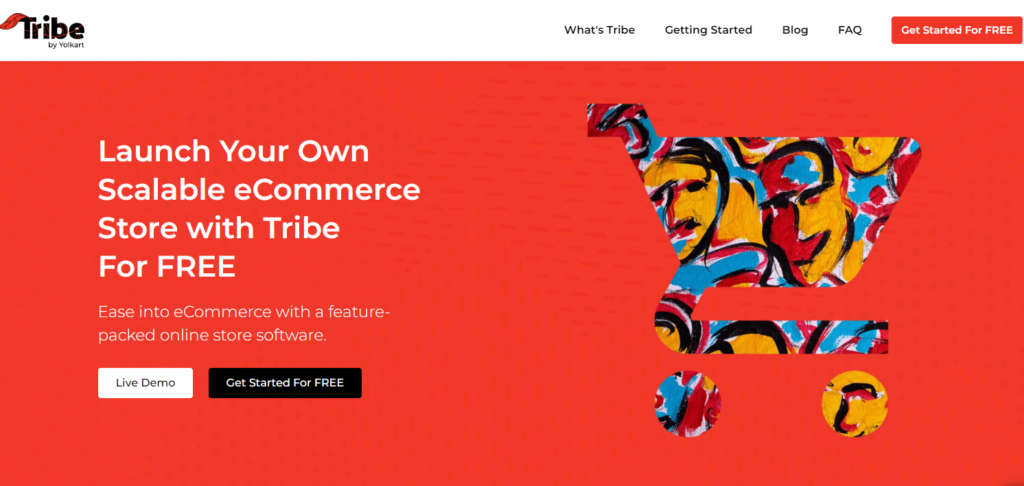 Tribe is an efficient eCommerce platform that allows small and medium businesses to start their eCommerce store for FREE. It is built on Laravel and unlike other free eCommerce platforms, Tribe enables entrepreneurs to create a customizable, seamless, and secure online store with a lifetime license. It also comes equipped with an intuitive drag-and-drop CMS editor that helps in personalizing the storefront with minimal hassle and less coding.
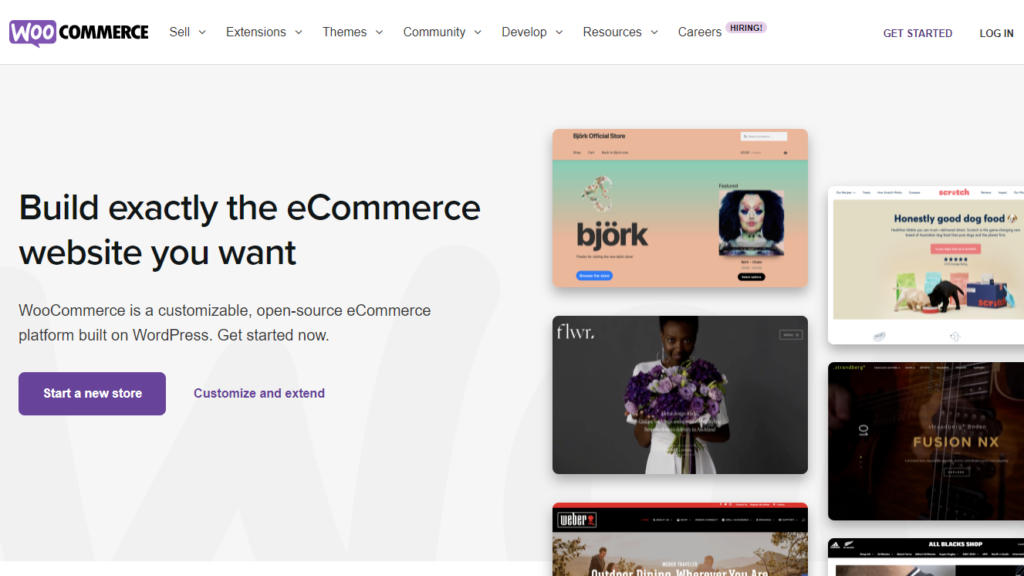 WooCommerce is a self-hosted, open-source eCommerce solution that is built on WordPress. It helps users design product pages, optimize search results, manage multiple customer accounts, orders, inventory, payment, and more. The learning curve for WooCommerce can be stiff as users need to be acquainted with WordPress to be able to use it.
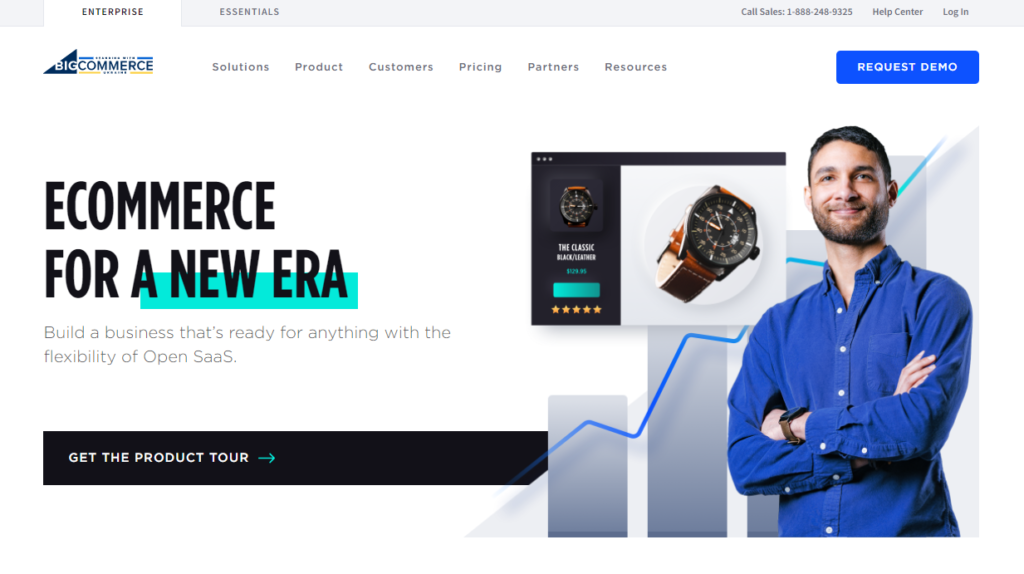 BigCommerce is an eCommerce solution that explicitly focuses on catering to enterprise-level software companies. Being a SaaS-based solution, BigCommerce provides merchants with several hosting and customization options. It is a robust platform that encapsulates advanced in-built features and offers 15 days of a free trial.
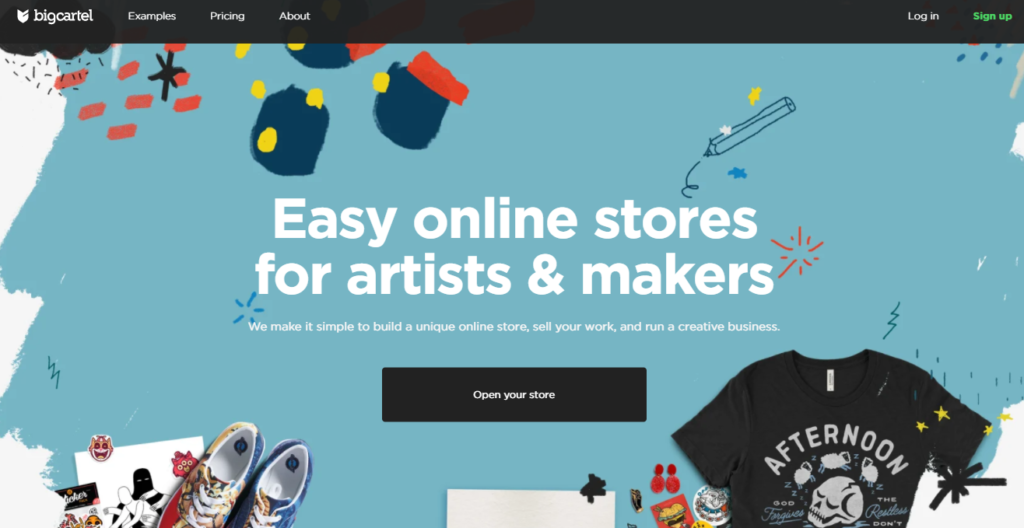 Big Cartel is a hosted eCommerce platform that focuses on serving the needs of creative and artistic individuals. It can be used to create a store that sells handmade products. Promotions and services can also be added. Although Big Cartel started as a platform for creative merchants, it can now be used to sell anything as its user base has expanded.
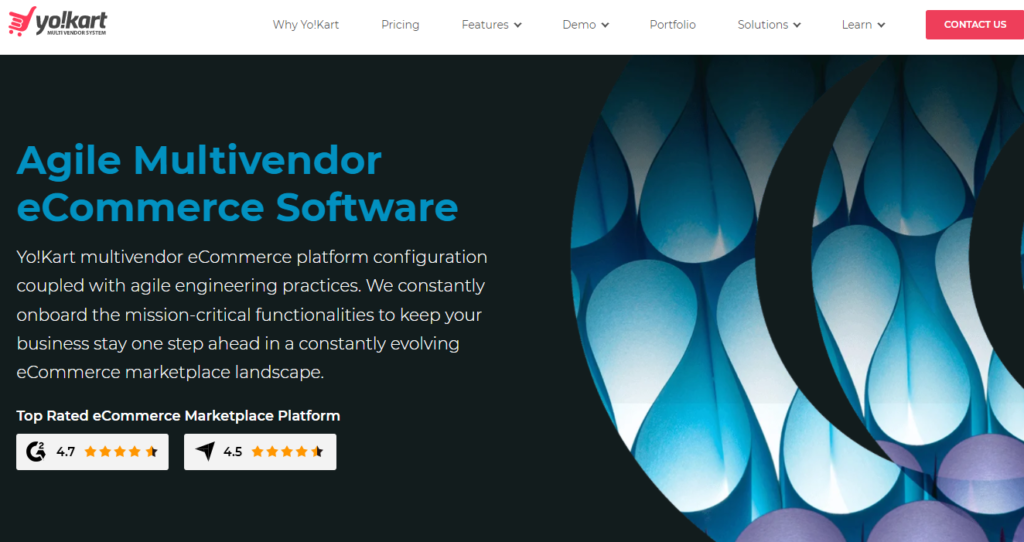 Yo!Kart is one of the best eCommerce platforms that is designed to deliver a ready-to-launch multi-vendor marketplace for businesses of all sizes. It is highly customizable and scalable with all the essential features like tax management, catalog management, streamlined shipping management, and so on. Moreover, Yo!Kart comes equipped with a multi-vendor eCommerce platform for iOS and Android platforms. It also has separate dashboards for admin and seller to streamline the entire eCommerce operations. Further, the admin can control and manage the entire marketplace from the dashboard.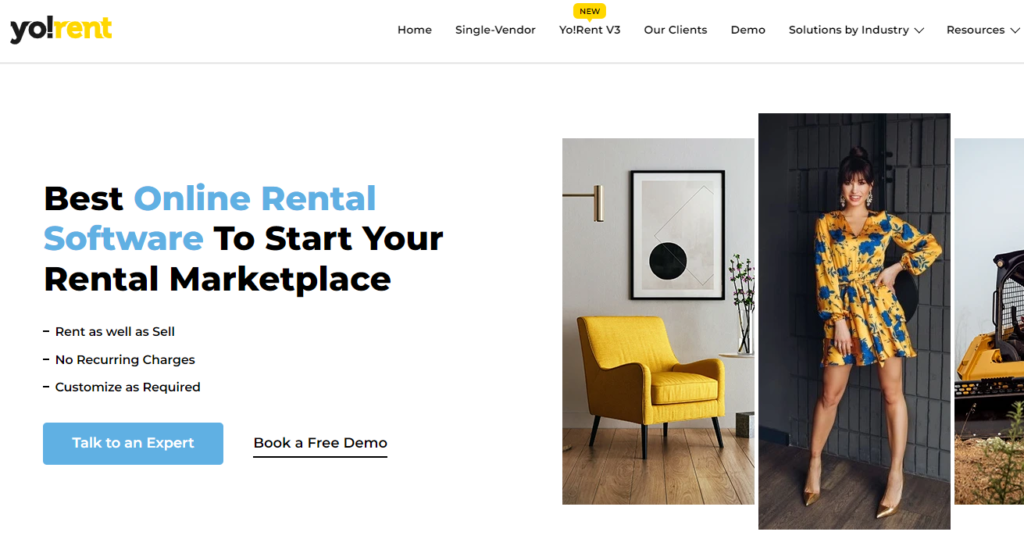
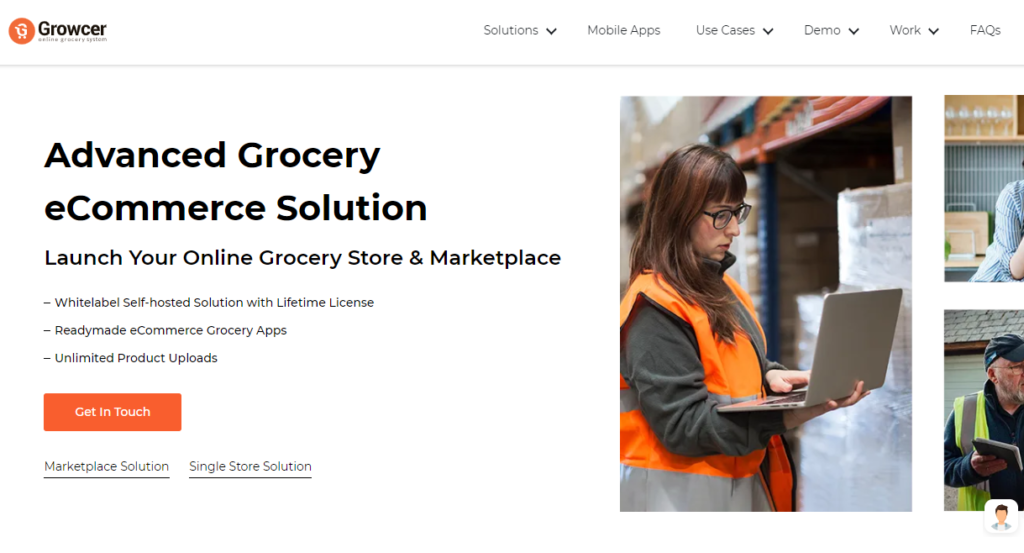 Growcer is a hyperlocal marketplace solution that is built to help grocery store owners to sell their products online. Several other hyperlocal business models for marketplaces like online liquor delivery, epharmacy, pet food, farm products, and so on, can be catered by it. Besides, Growcer is fully customizable and is equipped with robust mobile apps for both buyers and sellers (iOS and Android). There is also a dedicated admin panel that offers a product catalogue system, advanced reports, delivery staff management, and more, providing full control for platform management.
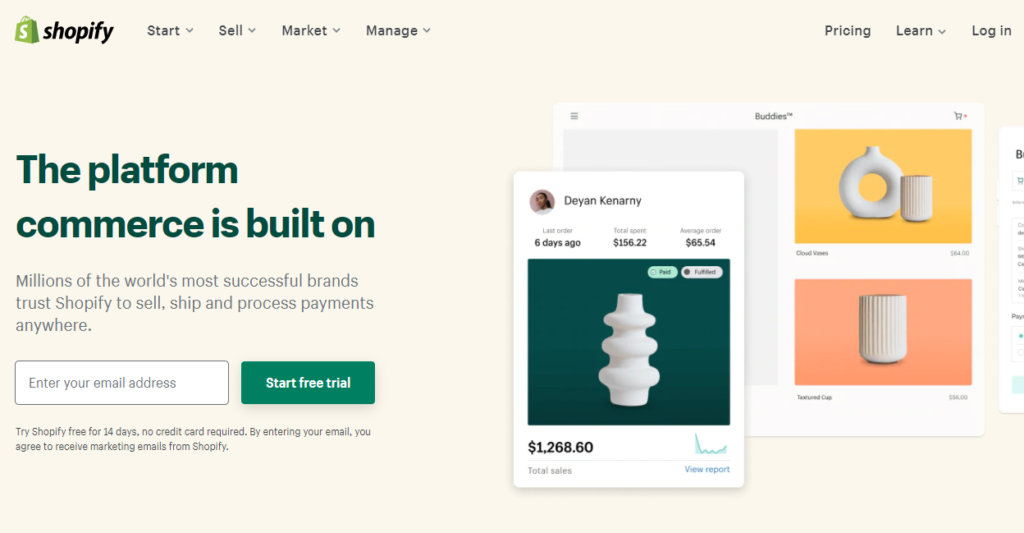 Shopify is a SaaS-based eCommerce platform that helps entrepreneurs and SMBs launch their eCommerce platform with ease. It not only provides themes to customize the design but also helps in increasing sales via several marketing tools. Customer support is provided round the clock and 14 days of free trial is also offered. As an eCommerce solution, Shopify has several features and functionality that can help individuals set up their eCommerce platform with little to no programming experience. Additionally, you can get free and paid apps to customize the online store.
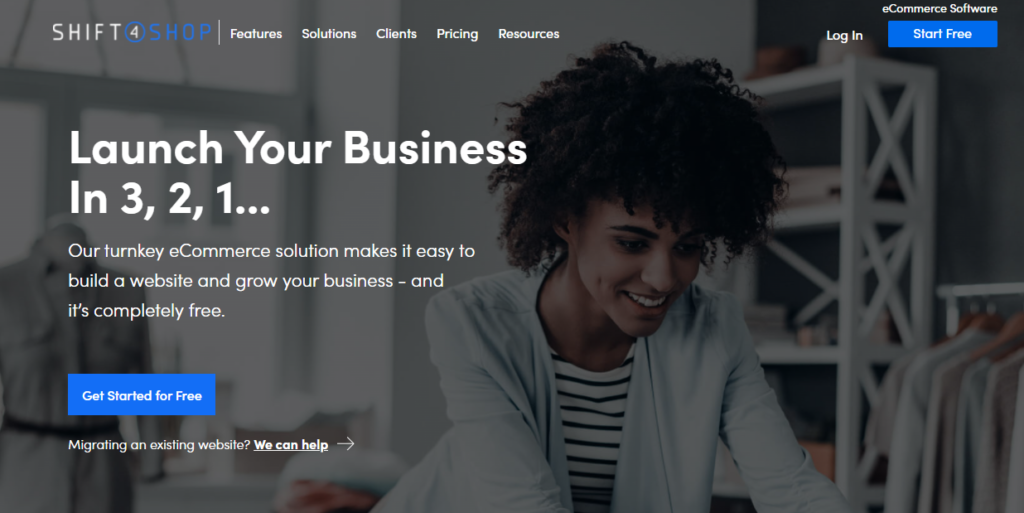 Shift4shop is an all-inclusive cloud-based eCommerce platform that integrates advanced features to create a complete eCommerce website. Moreover, merchants can use 3dcart to create and launch an online store to sell their products, support payments, and fulfill consumer orders. Various fulfillment methods including regular shipping, drop shipping, and downloads are supported by 3dcart. Besides, every 3dcart user can access built-in social media integration, order management, email marketing, SEO tools, and so on.
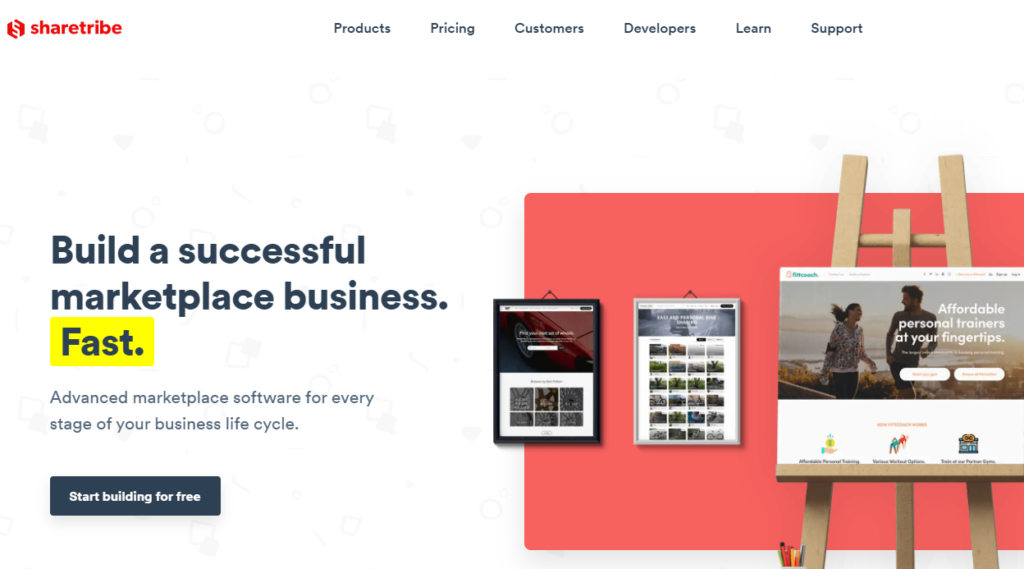 Sharetribe offers an easy way to start your online business marketplace with ease. And, unlike other eCommerce solutions, ShareTribe is designed to support your marketplace through its various life cycles. The platform is available in two different variants as Sharetribe Go and Sharetribe flex. While Sharetribe Go is suitable for entrepreneurs wanting to launch an online marketplace quickly, Sharetribe flex is preferred for those who are looking for customization.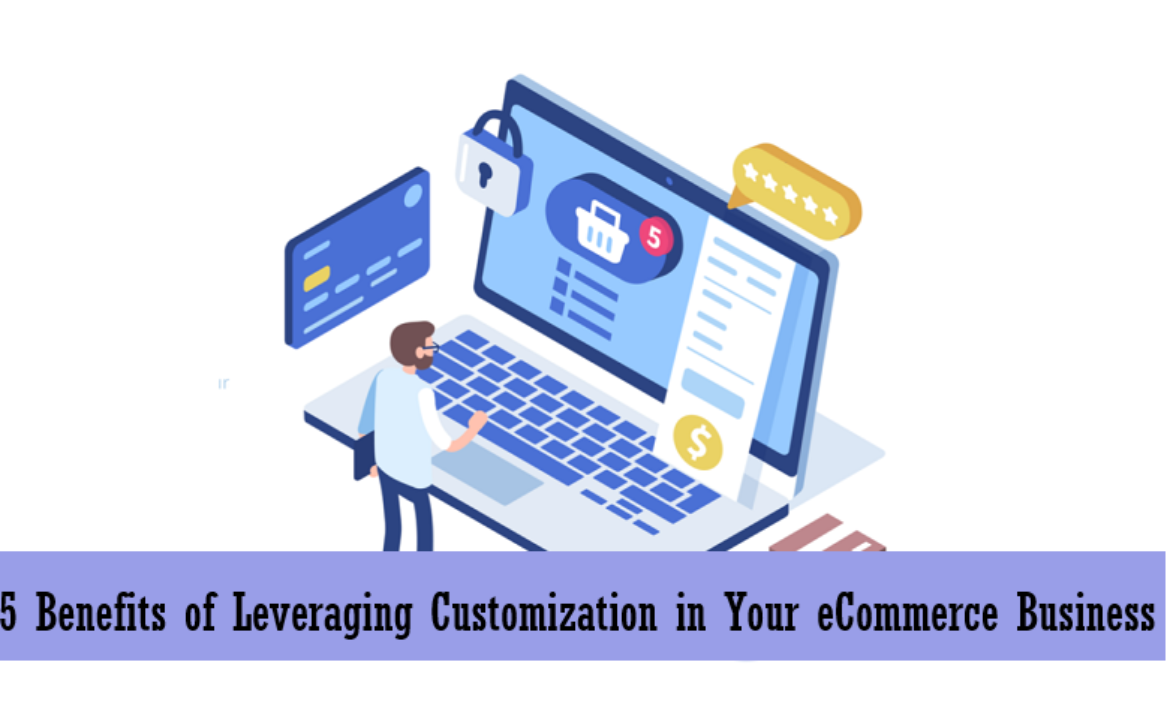
 However, Web to Print Technology has helped streamline this extensive process by putting the power to design in the hands of a customer.
 To implement product customization, you need to integrate a Web to print Tool with your eCommerce platform. For example, if your store is on Magento, you need a